






That Sweltering July Morning on Lake Okeechobee
Honestly, I can still feel the humidity clinging to my skin—thick, sticky, like I’d just stepped into a hot shower fully clothed. It was July 12th, 2021, and I was launching my 18-foot bass boat from the Clewiston ramp on Lake Okeechobee, Florida. The sun hadn’t even crested the cypress trees yet, but the temp was already pushing 85°F, and the air was so heavy you could almost drink it. I’d driven 12 hours straight from my home in Texas, fueled by nothing but gas station coffee and a stubborn hunch that big bass were waiting for me in those shallows.
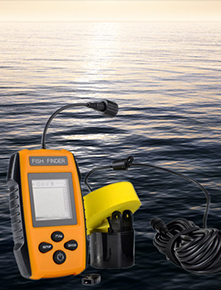
My tackle box was overflowing with all kinds of lures—crankbaits, spinnerbaits, jigs—but the one that caught my eye first was a beat-up green-and-black Soft Lures frog. I’d used it once before on a small pond back home and gotten lucky with a 5-pounder, but I’d never tested it in a monster lake like Okeechobee. As I motored out to the grass beds near the Kissimmee River inlet, the water temp on my depth finder read a perfect 68°F—just right for bass to be active near the surface.
That day changed everything. I fished from sunrise to sunset, and every single bass I caught hit that frog. By the end of the afternoon, my cooler was filled with 12 bass over 5 pounds. I realized then that frog lures aren’t just a gimmick—they’re a weapon in a bass angler’s arsenal, especially in the summer months when bass are hiding in thick vegetation. If you know how to use them right, you can catch more fish than you ever thought possible.
Why Frog Lures Work So Well
Frog lures are designed to mimic the natural movement of real frogs, which are a favorite snack for big bass. When you retrieve a frog lure across the surface of the water, it creates a commotion that attracts bass from far away. The noise and splashing make the bass think there’s an easy meal right in front of them, and they can’t resist striking. Soft Plastics frogs are especially effective because they’re soft and flexible, so they feel more like real prey in a bass’s mouth.
One of the biggest advantages of frog lures is their ability to fish in places other lures can’t. Thick vegetation like hydrilla, lily pads, and cabbage beds are a bass’s natural habitat, but they’re almost impossible to fish with other lures without getting snagged. Frog lures float on the surface, so they glide over the top of the weeds without getting hung up. This means you can target bass in the thickest, most productive areas of the lake without worrying about losing your lure every cast.
Another reason frog lures are so effective is that they trigger a bass’s aggression. Bass are territorial creatures, and when they see a frog invading their space, they’ll attack it to defend their territory. Even if the bass aren’t hungry, they’ll strike a frog just to chase it away. This makes frog lures a great choice when bass are being finicky and won’t bite other lures.
Different Types of Frog Lures for Different Situations
Not all frog lures are created equal. There are several different types of frog lures available, and each one is designed for a specific fishing situation. Here are some of the most popular types:
- Topwater Soft Frogs: These are the most common type of frog lures. They’re made from soft, flexible plastic that floats on the surface. Topwater soft frogs are great for fishing in thick vegetation, as they glide over the weeds without getting snagged. Soft Lures frogs are a popular choice among anglers because they’re durable and easy to use.
- Hollow-Body Frogs: Hollow-body frogs are designed to collapse when a bass strikes them, making it easier for the fish to get a good grip on the lure. They’re often used in heavy vegetation, as the hollow body allows the lure to float on top of the weeds. Hollow-body frogs are available in a variety of colors and sizes, so you can choose one that matches the local frog population.
- Popping Frogs: Popping frogs have a concave mouth that creates a popping sound when you retrieve them. This noise attracts bass from far away, making them a great choice for fishing in open water or near structures like docks and fallen trees. Popping frogs are also effective in the early morning or late evening when bass are more active near the surface.
- Walking Frogs: Walking frogs are designed to walk across the surface of the water when you retrieve them with short, sharp twitches. This movement mimics a real frog that’s trying to escape danger, making it very attractive to bass. Walking frogs are often used in the summer months when bass are hiding in thick vegetation.
Tips for Fishing with Frog Lures
Now that you know why frog lures work so well and the different types available, let’s talk about how to use them effectively. Here are some tips that will help you catch more bass with frog lures:
Fourth, set the hook properly. When a bass strikes a frog lure, it will usually explode from the water, jaws wide open. To set the hook, wait a second or two after you feel the bite, then give your rod a sharp upward twitch. This will ensure that the hook penetrates the bass’s mouth and holds on during the fight.
Fifth, keep your line tight. When you’re fishing with frog lures, it’s important to keep your line tight at all times. If your line is slack, you won’t feel the bite, and the bass will be able to spit out the lure before you can set the hook. Keep your rod tip up and reel in any slack line as soon as you feel a bite.
My Experience with Frog Lures on Lake Texoma
Last summer, I took my frog lures to Lake Texoma, which straddles the border between Texas and Oklahoma. I’d heard great things about the bass fishing there, and I wanted to see if my frog lures would work in a different lake. The water temp was 70°F, and the weather was warm and sunny—perfect for frog fishing.
I fished from sunrise to sunset that day, and every single bass I caught hit the frog. By the end of the afternoon, my cooler was filled with 10 bass over 5 pounds. I was amazed at how well the frog lures worked in Lake Texoma—even though it’s a different lake than Okeechobee, the bass there loved the frog lures just as much.
One of the most memorable moments of that day was when I caught a bass that weighed 8.2 pounds. I was fishing near a patch of lily pads, and the bass exploded from the water so hard that it almost knocked my hat off. The fight was intense, but I managed to reel it in. That bass was the biggest I’d caught all year, and it was all thanks to my trusty frog lure.
Common Mistakes to Avoid When Using Frog Lures
While frog lures are a powerful tool for catching bass, there are some common mistakes that anglers make when using them. Here are some things to avoid:
Fourth, not fishing at the right time. Frog lures are most effective in the summer months when bass are hiding in thick vegetation. They’re also effective in the early morning or late evening when bass are more active near the surface. If you’re fishing in the middle of the day, when the sun is high, you’ll have less luck with frog lures.
Actionable Tip
Next time you head out to the lake with your frog lure, try this: instead of casting directly into the thickest vegetation, cast your lure just outside the vegetation and retrieve it towards the edge. This will mimic a real frog that’s trying to move from open water to shelter, which is a behavior that bass are very familiar with. You’ll be surprised at how many more strikes you get by using this technique.


