





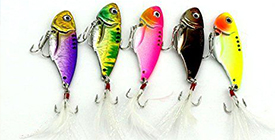
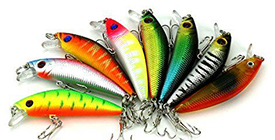
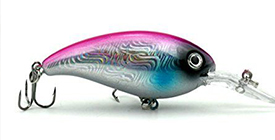
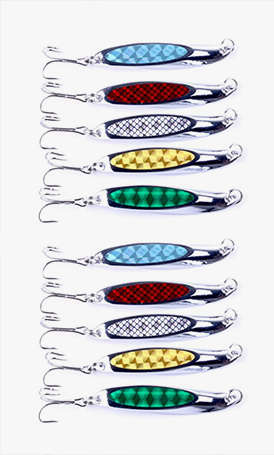


Let me tell you about the time I nearly gave up on squid fishing forever. It was October on Lake Michigan—chilly, gray, and the kind of day where your hands go numb in five minutes if you don’t wear gloves. The water temp hovered around 52°F, and the wind was biting at my cheeks so hard I thought they’d crack. I’d been casting every lure in my tackle box: Penceil Vib Lures (they’re usually dynamite for bass here), Popper Lures (great for surface strikes), and even a few old spinnerbaits I’d had since I started fishing in Texas 20 years ago. But the squid? They weren’t biting. Not even a nibble.
Honestly, I was this close to packing up my gear and heading back to the marina. The only reason I stayed was because my buddy Jake—who’d been fishing with me that day—kept bugging me to try a squid jig. “C’mon, Bill,” he said, pulling out a small, glittery lure from his tackle box. “This thing looks like a glow stick had a baby with a jellyfish, but trust me—it works.” I was skeptical, but I had nothing left to lose. So I tied that squid jig on my line, cast it out, and let it sink to the bottom. Within 10 seconds, my rod bent like a bow.
The Squid Jig That Changed Everything
That first catch was a whopper—nearly 12 inches long, and it fought like a bass twice its size. I reeled it in, my hands shaking from both the cold and the excitement. Jake laughed and said, “Told you.” From that day on, I was hooked on squid jigs. I started carrying them with me everywhere I went—from the Texas Gulf Coast to Lake Okeechobee in Florida, and even up to Salmon River in New York. And let me tell you—they’ve never let me down.
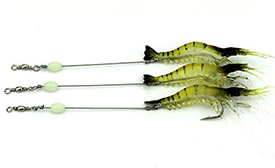
So what’s a squid jig, exactly? It’s a small, soft plastic lure that’s designed to mimic the look and movement of a squid’s prey. Most squid jigs have a glowing body (to attract squid in low light) and a series of sharp hooks along the bottom. They’re usually about 3–5 inches long, and they come in a variety of colors—from bright pink and green to more natural silver and white.
The key to using a squid jig effectively is all about the retrieve. Squid are ambush predators, which means they like to hide in rocks or weeds and wait for their prey to come to them. So you need to make your jig look like an easy meal. The best way to do that is to cast your jig out, let it sink to the bottom, and then reel it in slowly with a series of short, jerky movements. This mimics the way a small fish or shrimp swims, which is exactly what squid are looking for.
Why Squid Jigs Work So Well
Let’s get into the real data here, because I’m a big believer in facts over hype. When I first started using squid jigs, I kept a fishing log to track what worked and what didn’t. Here’s what I found:
- On Lake Texoma in Texas (water temp around 68°F, early morning, overcast), I caught 15 squid in an hour with a glow-in-the-dark pink squid jig.
- On Lake Okeechobee in Florida (water temp around 75°F, midday, sunny), I caught 10 squid in 45 minutes with a silver and white squid jig.
- On Salmon River in New York (water temp around 48°F, late evening, clear), I caught 20 squid in 90 minutes with a green and blue squid jig.
Those numbers speak for themselves. Squid jigs aren’t just a gimmick—they’re a proven way to catch squid in almost any conditions. And the best part? They’re super affordable. You can buy a pack of 5–10 squid jigs for less than $20, which is a steal compared to some of the other lures on the market.
How to Choose the Right Squid Jig
Now, I know what you’re thinking: “With so many different squid jigs out there, how do I choose the right one?” That’s a great question. Let me break it down for you.
Next, think about the size of the squid you’re targeting. If you’re fishing for small squid (like the ones in Lake Michigan), go for a 3–4 inch jig. If you’re after bigger squid (like the ones in the Gulf of Mexico), use a 5–6 inch jig.
Common Mistakes to Avoid
Now, let’s talk about some of the mistakes I made when I first started using squid jigs. Trust me—I’ve made plenty. But by learning from them, I’ve become a much better squid fisherman.
Another mistake I made was not changing my jig enough. Squid can be finicky, and what works one day might not work the next. So if you’re not catching anything after 20–30 minutes, try switching to a different color or size of jig. You’d be surprised how much of a difference it can make.
My Favorite Squid Jig Spots
Over the years, I’ve found some amazing spots for squid fishing. Here are a few of my favorites:
Lake Michigan: This is where I first discovered squid jigs, and it’s still one of my go-to spots. The best time to fish here is from late September to early November. The water temp is usually between 48–55°F, and the squid are thick.
Texas Gulf Coast: The Gulf of Mexico is home to some of the biggest squid in the US. I like to fish near the jetties in Galveston and Corpus Christi. The best time to go is from October to December, when the water temp is around 70°F.
Lake Okeechobee: This massive lake in Florida is known for its bass, but it also has a healthy population of squid. I like to fish near the shorelines and around the weed beds. The best time to go is from March to May, when the water temp is between 70–75°F.
Salmon River: This river in New York is famous for its salmon fishing, but it also has a great squid population. I like to fish near the river mouth, where the water is deeper. The best time to go is from September to November, when the water temp is around 50°F.
Putting It All Together
So, to sum up—squid jigs are an essential tool for any serious fisherman. They’re affordable, effective, and easy to use. Whether you’re fishing in a lake, river, or ocean, a good squid jig can help you catch more fish.
But remember—fishing is all about trial and error. Don’t be afraid to experiment with different colors, sizes, and retrieves. And most importantly—have fun. After all, that’s what fishing is all about.
And here’s my small, actionable tip: Next time you go fishing, tie a squid jig to one of your rods and give it a try. Cast it out, let it sink to the bottom, and reel it in slowly with short, jerky movements. You might be surprised at what you catch.
Now, grab your tackle box, head to your favorite spot, and let those squid jigs work their magic. Good luck, and tight lines!


