






Why Popper Lures Are a Fisherman's Best Friend - Texas Fisherman's 20-Year Experience
Let me set the scene for you. It was the third week of June 2018, and I was out on Lake Okeechobee in Florida. The humidity was so thick you could practically drink it, and the sun was beating down like a hammer. I'd been casting around for two hours with my usual soft plastics, and I'd only had one measly bite from a small bass that probably didn't even know what hit it. Honestly, I was ready to call it quits and head back to the dock for a cold beer.
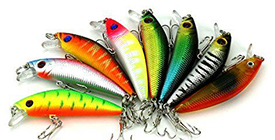
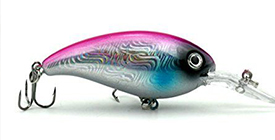
That's when I decided to try something different. I rummaged through my tackle box and pulled out a bright yellow Popper Lure I'd picked up from LENPABY a few weeks earlier. The thing looked almost cartoonish with its big, round head and concave face. I tied it on, walked to the end of the dock, and gave it a cast toward a stand of lily pads about 20 yards out.
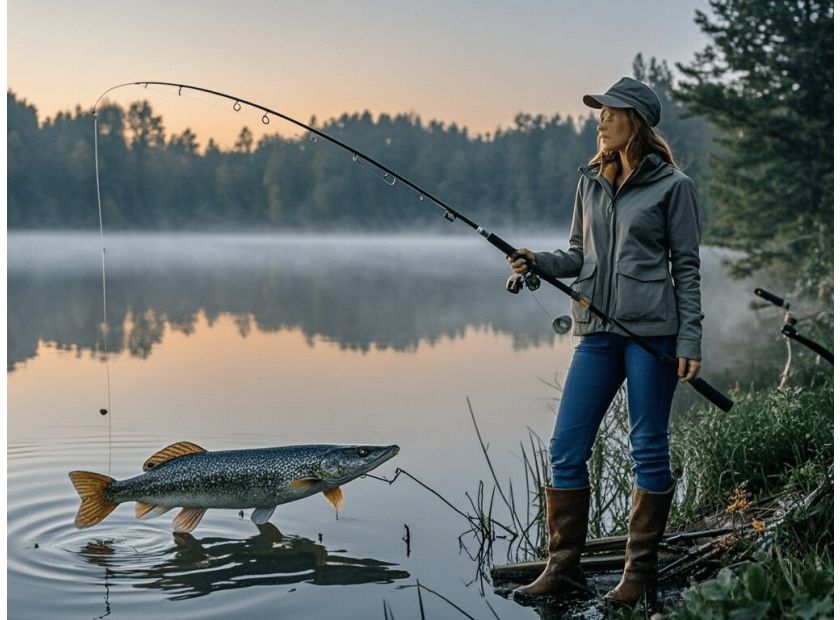
I let it settle for about five seconds, then gave the rod a sharp, downward jerk. The lure made a loud "plop" that echoed across the water, and before I could even start reeling, something massive hit it with a force that almost pulled the rod out of my hands. The water erupted into a chaos of spray and foam, and I could feel the fish thumping against the line like a freight train.
The Magic of the Popper Lure
That day on Lake Okeechobee changed everything for me. I ended up catching five bass over four pounds, and every single one hit that Popper Lure. Let me tell you, there's nothing quite like the feeling of watching a big bass explode out of the water to attack your lure. It's an adrenaline rush that makes all the early mornings and long days worth it.
So, what exactly makes Popper Lures so effective? Well, for starters, they mimic the natural movement of injured baitfish. When you jerk the rod, the concave face of the popper pushes water out in front of it, creating a loud "plop" or "pop" sound that travels through the water. This sound attracts fish from far away, and the erratic movement of the lure makes it look like an easy meal.
Where and When to Use Popper Lures
Popper Lures work best in shallow water, usually less than six feet deep. They're perfect for fishing around cover like lily pads, docks, and fallen trees. Let me give you some specific examples from my own experience:
- Lake Texoma (Texas/Oklahoma): Early in the morning when the water temp is around 68°F, I'll fish Popper Lures around the rocky shoreline near Denison Dam. The bass here love to hit the lure right after the sun comes up, when the light is still low and the water is calm.
- Michigan Lake (Michigan): In the late summer when the water is warm and the bass are holding in weed beds, I'll use Popper Lures to target the edges of the beds. The key here is to use a slow retrieve with lots of pauses to let the lure settle.
- Rio Grande River (Texas): During the fall migration, I'll use Popper Lures to catch redfish and speckled trout along the shoreline. The lures work especially well in the early evening when the tide is incoming.
Popper Lure Techniques
One of the great things about Popper Lures is that they're relatively easy to use, but there are a few techniques that can make a big difference in your success:
- The "Walk the Dog" Technique: This involves making small, rhythmic twitches of the rod tip while reeling slowly. The lure will zig-zag back and forth across the water, mimicking a struggling baitfish.
- The "Pause and Pop" Technique: Let the lure settle for a few seconds after each cast, then give the rod a sharp jerk followed by a long pause. This technique is great for catching bass that are holding in deep cover.
- The "Fast Retrieve" Technique: If the fish are actively feeding on the surface, try reeling the lure in quickly with short, sharp jerks. This will create a lot of commotion and attract aggressive strikes.
Choosing the Right Popper Lure
There are a wide variety of Popper Lures on the market, and choosing the right one can be a bit overwhelming. Here are some things to consider:
- Size: Popper Lures come in sizes ranging from 1 inch to 6 inches. For small bass and panfish, use a 1-2 inch lure. For larger bass and saltwater fish, use a 3-6 inch lure.
- Color: The best color for Popper Lures depends on the water conditions. In clear water, use natural colors like white, silver, and green. In murky water, use bright colors like yellow, orange, and red.
- Action: Different Popper Lures have different actions. Some pop loudly, while others make a soft "gurgle" sound. Experiment with different lures to see what works best in your area.
Lessons from the Water
I've had my fair share of failures with Popper Lures too. For example, I once tried to use a large Popper Lure in a small pond in East Texas. The thing was so big that it scared off all the fish, and I didn't get a single bite all morning. Another time, I used a bright pink Popper Lure in murky water, and the fish completely ignored it.
But those failures taught me some valuable lessons. Let me tell you, fishing is all about trial and error, and the more you practice, the better you'll get. Don't be afraid to experiment with different lures, colors, and techniques. You never know when you'll stumble upon something that works.
The Future of Popper Lures
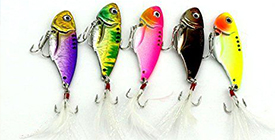
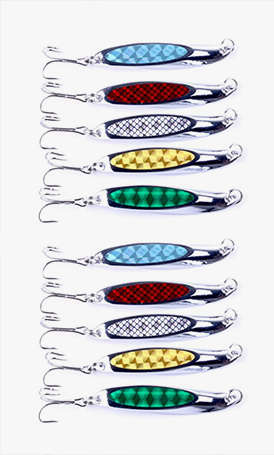
As technology continues to advance, Popper Lures are only getting better. Companies like LENPABY are constantly innovating, creating lures with better action, more realistic colors, and stronger hooks. I recently tried one of their new Penceil Vib Lures, and let me tell you, the thing is a game-changer. It combines the popping action of a traditional popper with the vibrating action of a spinnerbait, creating a lure that's even more effective at attracting fish.
But no matter how advanced these lures become, there's still something special about the classic Popper Lure. The simplicity of the design, the loud "plop" sound, and the explosive strikes are all part of what makes fishing so rewarding. It's a reminder that sometimes the best things in life are also the simplest.
Final Thoughts
Whether you're a seasoned veteran like me or a beginner just starting out, I highly recommend adding a Popper Lure to your tackle box. The next time you're out on the water and not having any luck, give one a try. You might just be surprised at what happens.
So, what are you waiting for? Grab a Popper Lure from LENPABY, head to your favorite fishing spot, and see for yourself why these lures are a fisherman's best friend.
Actionable Tip
Here's a small, actionable tip for you: The next time you go fishing with a Popper Lure, try varying the speed of your retrieve. Start with a slow, steady retrieve, then switch to a fast, erratic one. Fish have different preferences depending on the time of day and water conditions, so changing up your technique can make all the difference.


