






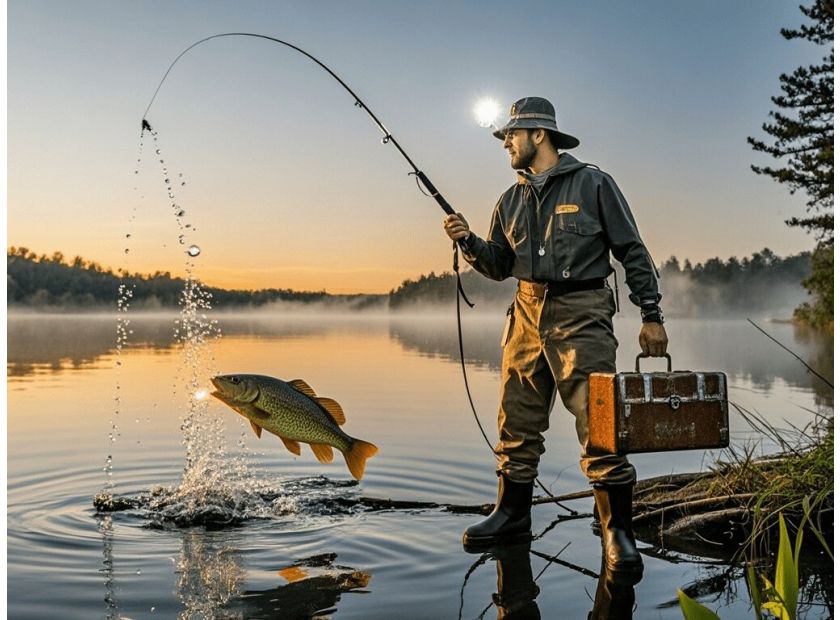
Alright, let’s cut to the chase. If you’re serious about reeling in big bass—whether you’re a weekend warrior or a seasoned pro—you need to talk hard baits. I’m talkin’ about crankbaits that dive deep, topwaters that explode, and jigs that sit tight on the bottom. Let me start with a story from my first trip to Lake Okeechobee, Florida—a place that taught me more about hard baits than any book ever could.
It was mid-October, and the air was thick with humidity even at 6 a.m. The water temp hovered around 68°F, which meant the bass were starting to get active again after the summer slump. I’d read all the articles, watched all the videos, and stocked my tackle box with every hard bait I could find. But on the first hour, I got nothing but weeds and frustration. My buddy, who’d been fishing the lake for 15 years, took one look at my setup and shook his head. “You’re throwin’ the wrong lures for this water, friend,” he said. “Let’s switch things up.”
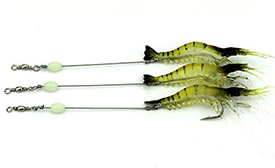
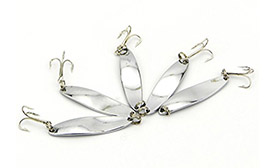
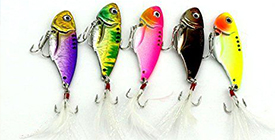
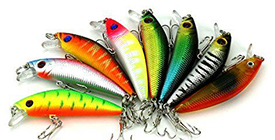
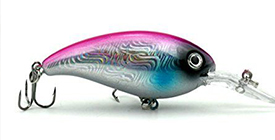
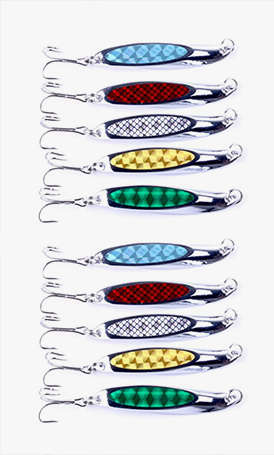
He handed me a LENPABY Fishing Set—a kit that included a medium-diving crankbait, a topwater popper, and a vibrating jig. “This set’s designed for freshwater systems like Okeechobee,” he explained. “Let’s try the crankbait first.”
Why Hard Baits Are a Game Changer for Freshwater Bass
Before we dive into the specifics, let’s talk about why hard baits are so effective. Unlike soft plastics, which rely on subtle movements, hard baits create loud, erratic actions that draw bass from far away. They’re perfect for covering large areas quickly, which is crucial when you’re trying to locate active fish. Plus, they’re durable—you can throw them into weeds, rocks, and wood without worrying about them tearing apart.
On Okeechobee that day, the medium-diving crankbait from the LENPABY set was a revelation. We cast parallel to the grass lines, and within 10 minutes, I felt a sharp tug that almost pulled the rod out of my hand. It was a 5-pound bass—my first on a hard bait that day. The difference was night and day.
Crankbaits: The Workhorses of Freshwater Fishing
Crankbaits are the backbone of any hard bait setup, and they come in all shapes and sizes. The key is to match the crankbait’s diving depth to the water you’re fishing.
For shallow water (less than 5 feet), go for a shallow-diving crankbait with a short bill. These lures bounce off the bottom and through weeds, creating a commotion that bass can’t resist. I use them in Lake Texoma, Texas during the spring, when bass are spawning in shallow coves. The water temp is usually around 60°F, and the crankbait’s erratic action triggers aggressive strikes.
For deeper water (10 feet or more), a deep-diving crankbait with a long bill is your best bet. I’ve had success with these on Lake Michigan during the summer, when bass are holding near drop-offs and structure. The water temp there can hit 75°F, and the crankbait’s ability to reach depths of 15 to 20 feet makes it perfect for targeting big bass.
Topwater Hard Baits: The Thrill of the Explosion
Nothing beats the excitement of a topwater strike. When a bass explodes on your lure, it’s like a jolt of adrenaline that makes every cast worth it. Topwater hard baits are perfect for early morning, late evening, or overcast days when bass are feeding near the surface.
My go-to topwater is the popper from the LENPABY Fishing Set. On a recent trip to Lake Erie, Ohio, I was fishing a shallow bay with a popper, and the water temp was around 70°F. The bass were hitting the lure as soon as it hit the water, and I caught three fish in 10 minutes.
Another great topwater option is the walk-the-dog lure. These lures have a side-to-side action that mimics a wounded baitfish. I use them in Lake Cumberland, Kentucky during the fall, when bass are feeding on shad that are moving toward the shore. The water temp drops to around 65°F, and the walk-the-dog action drives them crazy.
Jigs: The Versatile Hard Baits That Catch Bass Year-Round
Jigs are often overlooked, but they’re one of the most versatile hard baits in freshwater fishing. They can be fished slow or fast, shallow or deep, and they work in almost any water condition. The key is to choose the right jig head and trailer.
For shallow water, go for a light jig head (1/8 to 1/4 ounce) with a soft plastic trailer like a crawfish or creature bait. This setup is perfect for fishing around docks, logs, and rocks. I use it in Lake Travis, Texas during the summer, when bass are holding near structure in water temp around 80°F.
For deeper water, a heavy jig head (3/4 to 1 ounce) with a larger trailer is more effective. I’ve had success with this setup on Lake Powell, Arizona, where the water can be over 30 feet deep. The heavy jig sinks quickly, allowing me to reach the bottom where the big bass are.
How to Choose the Right Hard Baits for Your Freshwater System
Every freshwater system is unique, and the key to success is matching your hard baits to the specific conditions. Here are some tips:
- Water Depth: As I mentioned earlier, match the crankbait’s diving depth to the water you’re fishing. Use shallow-diving lures for shallow water and deep-diving lures for deeper water.
- Water Temperature: Bass are cold-blooded, so their activity level depends on the water temp. In water temps below 50°F, use slow-moving hard baits like jigs or suspending crankbaits. In water temps above 60°F, use faster-moving lures like topwaters or medium-diving crankbaits.
- Cover: If you’re fishing around weeds or wood, use hard baits with weedless designs to avoid getting snagged. For rocks and docks, use lures with sharp hooks that can penetrate through the structure.
- Lighting: Overcast days are perfect for topwater lures, while sunny days are better for deeper-diving crankbaits. During the middle of the day, when the sun is high, bass tend to go deeper, so use lures that can reach those depths.
One of the biggest mistakes I made early on was not using the right hard baits for the water I was fishing. On a trip to Lake Shasta, California a few years ago, I spent two days throwing shallow-diving crankbaits in deep water, and I didn’t catch a single fish. It wasn’t until I switched to a deep-diving crankbait from the LENPABY Fishing Set that I started to get bites. The water temp was around 68°F, and the bass were holding near a drop-off that was 20 feet deep. The deep-diving crankbait was able to reach those depths, and I caught four bass in the first hour.
Putting It All Together: A Day on the Water with Hard Baits
Let me walk you through a typical day on the water using hard baits. We’ll say we’re fishing Lake Okeechobee, Florida in late October, with a water temp of 68°F.
6:00 a.m.: We arrive at the lake just as the sun is starting to rise. The air is cool and humid, and the water is calm. We start by throwing topwater poppers near the grass lines. Within 15 minutes, we catch two bass—one on a popper from the LENPABY set.
7:30 a.m.: As the sun gets higher, the topwater bite slows down. We switch to medium-diving crankbaits and start casting parallel to the grass lines. The water temp has risen to 70°F, and the bass are active. We catch five more bass in the next hour.
9:00 a.m.: The sun is now high in the sky, and the bass have moved deeper. We switch to deep-diving crankbaits and start fishing near drop-offs and structure. The water temp is around 72°F, and we catch three more bass.
11:00 a.m.: The bite has slowed down, so we switch to jigs and start fishing around docks and logs. The water temp is still around 72°F, and we catch one more bass before calling it a day.
By the end of the day, we’ve caught 11 bass—all on hard baits from the LENPABY Fishing Set. It’s a reminder that choosing the right lures for the water you’re fishing is the key to success.
Final Tips for Success with Hard Baits
Here are some final tips to help you get the most out of your hard baits:
- Use the Right Rod and Reel: Match your rod and reel to the hard bait you’re using. Crankbaits require a medium-action rod with a fast reel, while jigs require a heavy-action rod with a slow reel.
- Set the Hook Hard: Hard baits have multiple treble hooks, and you need to set the hook hard to make sure at least one hook penetrates the bass’s mouth.
- Keep Your Line Tight: Always keep your line tight when fishing with hard baits. If the line goes slack, you might miss the bite.
- Experiment with Colors: Different colors work better in different water conditions. In clear water, use natural colors like shad or crawfish. In murky water, use bright colors like chartreuse or orange.
At the end of the day, fishing with hard baits is about patience, persistence, and a little bit of luck. But if you choose the right lures, match them to the water you’re fishing, and use the right techniques, you’ll catch more bass than you ever thought possible.
And if you’re looking for a set of hard baits that’s perfect for freshwater systems, check out the LENPABY Freshwater Systems collection. It includes all the lures you need to tackle any freshwater lake or river.
Actionable Tip: Next time you’re out on the water, spend 30 minutes switching between different hard baits to see which one works best. Start with a topwater popper if it’s early morning, switch to a crankbait if the sun gets high, and finish with a jig if the bite slows down. You’ll be surprised at how much more effective you become.


