






The Day the Bass Changed Everything
It was a crisp October morning on Lake Okeechobee—water temp 68°F, wind blowing steady at 8 mph from the northeast, and a soft golden light filtering through the cypress trees. I’d been out before sunrise, launching my beat-up aluminum boat from Clewiston, and had already burned through half my tackle box with nothing but a few tiny bluegill to show for it.
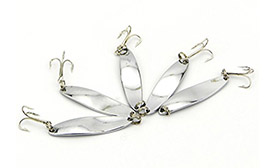
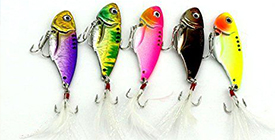
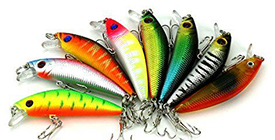
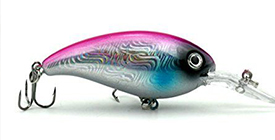
Honestly, I was ready to call it quits. I’d tried every Popper Lure in my arsenal—those flashy ones that look like they’re made for a catalog—and even some old hard baits my grandpa gave me. But the bass were just ignoring them, like they could smell the desperation on my line.
Then I remembered the Soft Plastics I’d stashed in my tackle box as an afterthought. I’d picked them up at a local tackle shop last week because the guy behind the counter said, “These work when nothing else will.” I tied on a 4-inch green pumpkin worm, rigged it Texas-style, and cast it toward a patch of hydrilla 50 yards off the bank.
Let me tell you—less than 30 seconds later, my line went tight like a piano wire, and I was hooked into a 5-pound largemouth that fought like it was defending its home. That one fish turned my whole day around, and I ended up catching 12 more before the sun got too high.
Why Soft Plastics Beat Hard Baits—Even on Bad Days
Since that day on Okeechobee, I’ve been a die-hard convert to soft plastics. I know what you’re thinking—“Aren’t hard baits supposed to be for serious fishermen?” Well, after 20 years of chasing bass across the US, I can tell you that soft plastics outperform hard baits more often than not.
Here’s the thing: bass are smart. They’ve seen every hard bait under the sun, and they know when something looks fake. Soft plastics, on the other hand, have a natural feel and movement that mimics real prey. They’re also more versatile—you can rig them Texas-style, Carolina-style, wacky rigged, or even drop shot rigged, depending on the conditions.
I’ve tested this out in all kinds of places. On Lake Texoma, when the water temp drops to 50°F in the winter, I’ll use a slow-moving soft plastic worm dragged along the bottom, and I’ll catch bass when everyone else is packing up early. On the Mississippi River in Louisiana, when the water’s murky and fast-moving, a bright chartreuse soft plastic crawdad rigged Texas-style is practically a guarantee.
The Science Behind the Catch
Now, I’m not a scientist, but I’ve talked to a few fisheries biologists over the years, and they’ve confirmed what I already suspected: bass rely heavily on their sense of touch and smell to find food. Soft plastics are made from a flexible, rubbery material that has a natural feel, and many of them are infused with scents that mimic real baitfish or crawfish.
The movement of soft plastics is also key. When you rig a soft plastic worm or crawdad, it has a subtle, undulating motion in the water that looks exactly like a real creature swimming or crawling. This triggers the bass’s instinct to strike, even if they’re not actively feeding.
I’ve seen this firsthand on Lake Michigan. On a cloudy, overcast day with water temp around 72°F, I was fishing a rocky point with a soft plastic tube. I’d cast it out and let it sink to the bottom, then twitched it a few times. Every single cast, I’d get a strike—even though I wasn’t moving it very much at all. Those bass were just sitting on the bottom, waiting for something that looked like an easy meal.
My Favorite LENPABY Soft Plastics—and How to Use Them
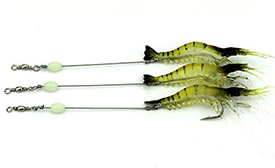
Over the years, I’ve tried a lot of different soft plastics, but the ones from LENPABY are by far my favorites. Here are a few of the ones I keep in my tackle box at all times, and how I use them:
- Green Pumpkin Worm: This is my go-to for just about any situation. I rig it Texas-style and cast it toward cover like rocks, trees, or hydrilla. It’s especially effective in clear water, where the natural green color blends in perfectly.
- Chartreuse Crawdad: When the water’s murky or fast-moving, I reach for this guy. The bright color makes it easy for bass to see, even in low visibility, and the crawdad shape is a favorite among big bass.
- Watermelon Seed Swimbait: In the spring and summer, when bass are actively feeding on baitfish, this swimbait is unbeatable. I rig it on a weighted hook and retrieve it slowly through shallow water near the bank.
Lessons from 20 Years of Mistakes
I’d be lying if I said I’ve never had a bad day with soft plastics. In fact, I’ve had some of my worst days ever fishing with them—but those mistakes taught me some valuable lessons.
One of my biggest mistakes happened on Lake St. Clair in Michigan. It was a hot, sunny day in August, water temp 82°F, and the bass were supposed to be feeding on shad near the surface. I tied on a soft plastic shad and started casting it out as far as I could, retrieve it as fast as I could. But I didn’t get a single strike. I was so frustrated I almost threw my rod in the lake.
Then a guy in a nearby boat called over and said, “Try slowing it down.” I gave him a dirty look at first—what does he know? But I figured I had nothing to lose, so I tied on a slower-moving soft plastic worm and started dragging it along the bottom. Within 10 minutes, I’d caught a 6-pound smallmouth that nearly pulled my arm off.
Another mistake I’ve made is not changing my colors often enough. I used to think green pumpkin was the answer to everything, but I’ve learned that bass’s preferences change with the water clarity and the time of day. On a cloudy day in March on Lake Cumberland in Kentucky, I switched from green pumpkin to a black and blue worm and caught more bass in an hour than I had all week.
The Importance of Rigging
Another thing I’ve learned is that rigging is just as important as the soft plastic itself. If you rig it wrong, even the best bait in the world won’t work. I always make sure my Texas rig is weedless—if the hook is sticking out, it will get caught on every piece of cover in the lake. And I pay attention to the weight: if the water’s shallow, I use a lighter weight, but if it’s deep, I’ll use a heavier one to get the bait down to the bottom.
I also like to experiment with different rigs. On Lake Powell in Arizona, I’ll use a drop shot rig with a soft plastic worm. I tie a small hook about 18 inches above a weight, so the worm is floating just off the bottom. This is perfect for clear, deep water, where bass are hanging out near the thermocline.
Why LENPABY Soft Plastics Are Worth Every Penny
I know what you’re thinking—“Soft plastics are cheap, why should I pay more for LENPABY?” Well, let me tell you, these baits are built to last. I’ve used some of mine for months, and they still look and feel as good as the day I bought them. They’re also made from high-quality material that holds up to sharp teeth and rough cover, so you don’t have to worry about them breaking or tearing after a few casts.
But the real reason I love LENPABY is that they’re designed by fishermen, for fishermen. They know what works and what doesn’t, and they’re always testing new designs and colors to see what catches more fish. I’ve been using their soft plastics for a few years now, and they’ve never let me down.
Last year, I took a trip to Lake Guntersville in Alabama for a bass tournament. The water was around 78°F, and the bass were feeding on shad near the surface. I tied on a LENPABY Watermelon Seed Swimbait, rigged it on a weighted hook, and started casting it toward a patch of lily pads. In just 30 minutes, I caught three bass over 4 pounds, which was enough to put me in the top 10 of the tournament.
Soft plastics have changed the way I fish. They’ve helped me catch more bass on bad days, and they’ve taught me to be more patient and observant on the water. If you’re tired of burning through your tackle box with nothing to show for it, give soft plastics a try. And if you want the best of the best, go with LENPABY.
Let me leave you with one last tip: the next time you’re out on the water and nothing seems to be working, tie on a soft plastic worm, rig it Texas-style, and drag it along the bottom. You might be surprised at what you catch.
Oh, and one more thing—don’t be afraid to experiment. Try different colors, different rigs, and different retrieval speeds. The best fishermen are the ones who are always learning and adapting to the conditions.
Actionable tip: Next time you go fishing, pack at least 5 different colors of Soft Plastics in your tackle box. Start with the color that matches the natural prey in the area, but if that’s not working, switch it up every few casts. You’d be amazed at how much a simple color change can make.


