




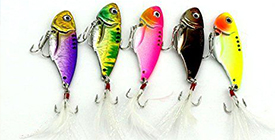
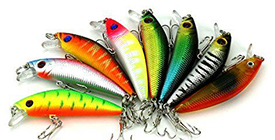
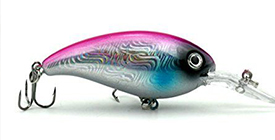
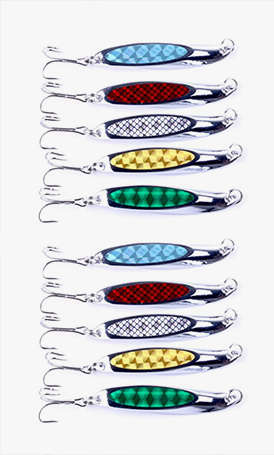

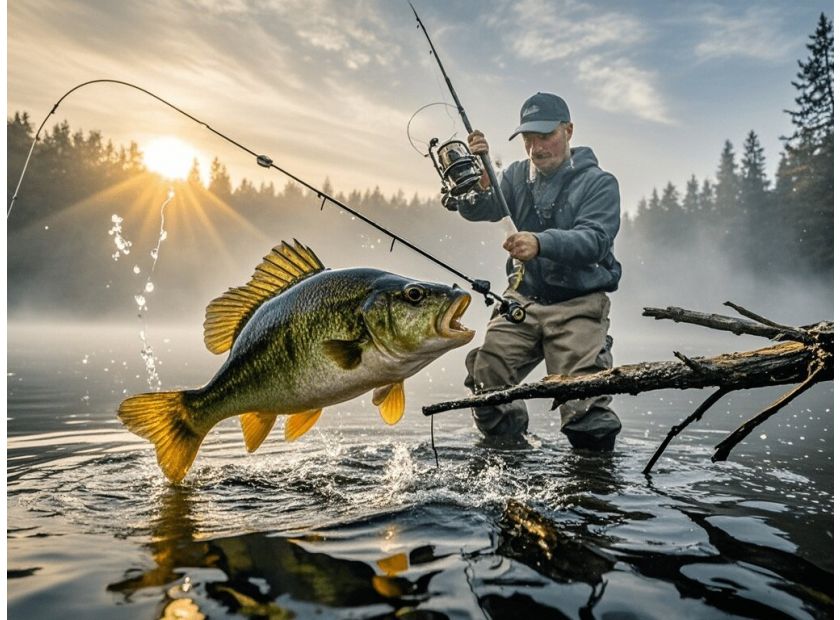
Last May, I was on Lake Okeechobee at 5:30 AM, watching the sun rise over the marsh grass and trying not to shiver. The air was still a crisp 52°F, and the water temperature had just hit 68°F. I’d been out here for three hours already, casting every plastic worm and crankbait in my tackle box, and I hadn’t even had a nibble. My buddy Jake, who was sitting in the back of the boat, finally said, “You ever tried those Metal Lures I told you about?” I’d heard of them, sure, but I’d always stuck to the soft plastics I’d used for years. “What the heck,” I said, tying one on. The first cast hit the water with a loud plunk, and as I reeled it in with a steady retrieve, a 5-pound bass exploded out of the water and clamped down. That’s when I realized I’d been sleeping on metal lures.
Why I Was Wrong About Metal Lures
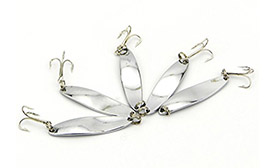
I used to think metal lures were just for saltwater or for catching small panfish. I’d seen them in tackle shops, but I’d always passed them by. But that morning on Okeechobee changed everything. The Metal Lure I used was a simple silver spoon with a holographic finish, and it cut through the cool water like a knife. The bass couldn’t resist it.
Over the next few months, I started testing metal lures on all the lakes and rivers I fish. From Lake Texoma in Texas to Lake Michigan in the north, I found that these lures worked in almost every situation. They’re versatile, durable, and they attract big fish. And the best part? They don’t cost a fortune. You can get a pack of high-quality metal lures for less than the price of a single premium crankbait.
The Different Types of Metal Lures
There are several types of metal lures, each designed for different fishing conditions. The most common are spoons, spinnerbaits, and jigs. Spoons are curved pieces of metal that wobble when you reel them in. They’re great for casting long distances and covering a lot of water. Spinnerbaits have a metal blade that spins, creating vibration and flash. They’re perfect for fishing in weeds or around structure. Jigs are weighted hooks with a metal head and a soft plastic or feather skirt. They’re ideal for fishing on the bottom or in deep water.
I’ve used all three types, and I have my favorites. For shallow water bass fishing, I love a small gold spinnerbait with a willow leaf blade. The vibration it creates attracts bass from far away, and the flash of the blade mimics a small baitfish. For deep water walleye fishing on Lake Michigan, I use a heavy metal jig with a curly tail grub. The weight helps it sink quickly, and the grub adds extra action.
When to Use Metal Lures
One of the best things about metal lures is that they work in almost any weather condition. On cloudy days, I use lures with a holographic finish to add extra flash. On sunny days, I use solid-colored lures that are less reflective. In cool water, I slow my retrieve to let the lure sink deeper. In warm water, I reel it in faster to create more vibration.
I also use metal lures during different times of the day. Early in the morning, when the water is calm, I use a spinnerbait to cover the shallow areas near the shore. Later in the day, when the sun is high, I switch to a spoon and cast to deeper water. At night, I use a jig with a glow-in-the-dark skirt to attract fish that are feeding on the bottom.
My Favorite Metal Lure Fishing Spots
I’ve fished metal lures in some of the best spots in the US. Here are a few of my favorites:
- Lake Okeechobee, Florida: This is where I first fell in love with metal lures. The shallow marshes are perfect for spinnerbaits, and the deeper channels are great for spoons.
- Lake Texoma, Texas/Oklahoma: This lake is known for its striped bass. I use heavy metal jigs to fish in the deep channels near the dam.
- Lake Michigan, Michigan/Wisconsin: Walleye fishing here is excellent with metal jigs. I cast near the drop-offs and retrieve slowly.
- Columbia River, Oregon/Washington: This river is home to salmon and steelhead. I use spoons to fish in the fast-moving currents.
How to Fish with Metal Lures
Fishing with metal lures is easy once you get the hang of it. Here’s how I do it:
- Choose the right lure: Pick a lure based on the type of fish you’re targeting and the water conditions. For bass, use a spinnerbait or spoon. For walleye, use a jig. For salmon, use a spoon.
- Tie the lure on correctly: Use a strong fishing line and a secure knot. I prefer a palomar knot because it’s easy to tie and very strong.
- Cast and retrieve: Cast the lure as far as you can, and let it sink to the desired depth. Then, reel it in with a steady retrieve. Vary the speed and depth until you find what works.
- Watch for strikes: Metal lures often attract aggressive strikes. Keep your eyes on the line, and be ready to set the hook as soon as you feel a tug.
I’ve made my share of mistakes. Once, on Lake Texoma, I used a lightweight metal lure in strong currents, and I couldn’t get it to sink deep enough. The walleye were feeding on the bottom, but my lure was floating too high. I switched to a heavier lure, and I caught three walleye in the next hour.
Why I Love LENPABY Metal Lures
When I first started using metal lures, I tried a lot of different brands. Some were cheap but broke easily, and some were expensive but didn’t perform well. Then, I discovered Metal Lures from LENPABY. These lures are made from high-quality materials, and they’re designed to last. The finishes are durable, and the hooks are sharp. I’ve caught hundreds of fish with LENPABY lures, and I’ve never had one break.
Another thing I love about LENPABY is their customer service. They’re always happy to answer my questions, and they offer a satisfaction guarantee. If you’re not happy with your purchase, they’ll replace it or give you a refund. That’s the kind of company I like to support.
Actionable Tip
Here’s my small, actionable tip for using metal lures: Always carry a variety of sizes and colors in your tackle box. That way, you can switch lures quickly if the fish aren’t biting. I keep a pack of silver and gold spoons, a few spinnerbaits with different blade types, and a selection of jigs in my boat at all times. You never know when the fish will start preferring one type of lure over another.


