





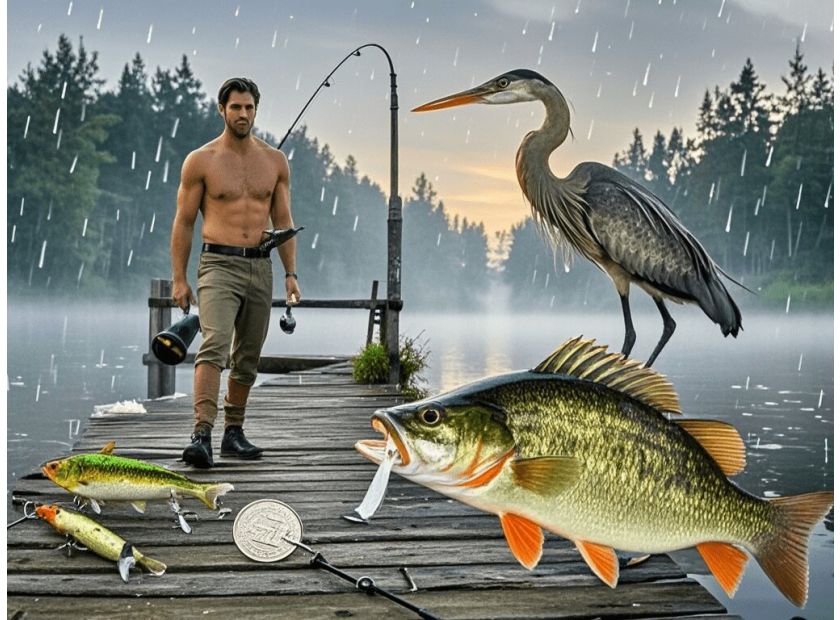
That Time I Almost Quit Fishing (And How a Metal Lure Changed Everything)
Why Metal Lures Work So Damn Well (Even When Nothing Else Will)
Another reason metal lures are so effective is their durability. Plastic lures tear, soft baits get chewed up, and even some crankbaits break after a few hits. But metal lures? They can take a beating. I’ve used the same silver spoon on Lake Michigan for 3 years straight, and it’s still in perfect shape. I’ve caught pike with teeth sharp enough to cut through fishing line on that spoon, and it just keeps ticking. Plus, metal lures are easy to maintain—no need to replace soft plastics or re-tie as often. You can just rinse them off after a day on the water, and they’re ready to go again. That’s a big deal when you’re fishing all day and don’t want to waste time switching lures every 10 minutes.
My Go-To Metal Lures for Every Situation (And Where to Use Them)
I’ve tried hundreds of metal lures over the years, but there are a few that I always keep in my tackle box. Let’s break them down by situation—because the key to success with metal lures is matching the lure to the conditions.
When the Water’s Cold: Spoons and Penceil Vib Lures
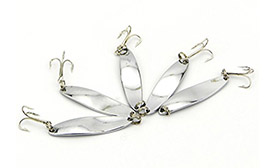
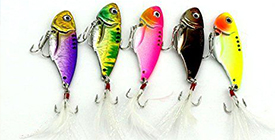
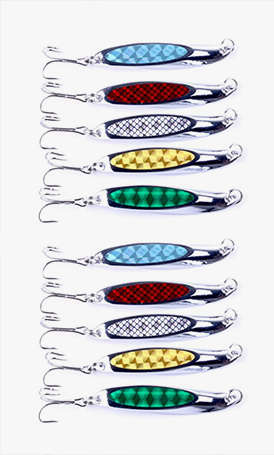
In cold water, fish are slow and sluggish. They don’t want to chase down fast-moving prey—they want something easy to catch. That’s where spoons and Penceil Vib Lures come in. Last January, I was fishing the Colorado River in Texas. The water temp was 48°F, and the bass were huddled near deep water structures. I started with a plastic worm, but the bass weren’t even nibbling. So I switched to a silver spoon with a red stripe—the same one Jake gave me on Okeechobee. I cast it out, let it sink to the bottom, then reeled it back with short, slow jerks. Every time I stopped, the spoon would flutter down like a dying minnow. On my third cast, I felt a light tap—so light I almost didn’t feel it. I set the hook, and a 2.5-pound bass came flying out of the water. I caught 5 more that day, all on the same spoon. Later that week, I tried a Penceil Vib Lures in the same spot. It worked just as well—maybe even better. The Penceil Vib Lures has a unique vibration that travels through the water, attracting fish even when they’re not actively feeding. The key with cold water fishing is to keep your retrieve slow and steady. Let the lure do the work.
When the Water’s Murky: Spinnerbaits and Vibrating Jigs
When the Fish Are Feeding on the Surface: Topwater Metal Lures
My Biggest Failures (And What I Learned From Them)
I’m not perfect—far from it. I’ve had my fair share of failures with metal lures. But every failure taught me something. Let’s talk about my biggest one. A few years ago, I was fishing Lake Michigan for salmon. I’d heard that metal spoons were great for salmon, so I tied on a big silver spoon and cast it out. I reeled it back as fast as I could, thinking that salmon love fast-moving prey. After 2 hours without a single bite, I was ready to give up. Then I saw a guy on the next boat catch a huge salmon on a metal spoon. I went over to ask him what he was doing. He told me he was reeling the spoon back slow—like, 1 revolution per second. I couldn’t believe it. I’d been reeling mine in twice as fast. So I tried his technique. Cast it out, let it sink for 5 seconds, then reel it back slow. Within 10 minutes, I had a 15-pound salmon on the line. I learned that day that speed is everything with metal lures. Sometimes fast is good, but sometimes slow is better. You have to match your retrieve to the fish’s feeding behavior.
Another failure I had was with a vibrating jig. I was fishing Lake Travis in Texas, and I’d heard that vibrating jigs were great for bass. So I tied on a black vibrating jig and cast it out. I reeled it back with a fast retrieve, but the bass just weren’t biting. So I switched to a slow retrieve. Still nothing. Then I decided to try a different color—green pumpkin. I cast it out, let it sink for 3 seconds, then reeled it back with a slow, steady retrieve. On my second cast, I caught a 4-pound bass. I learned that color matters with metal lures—even more than I thought. Different colors work better in different conditions. In clear water, natural colors like silver or gold work best. In murky water, bright colors like red or orange are better. And in stained water, dark colors like black or green pumpkin are the way to go.
Why LENPABY Metal Lures Are My Go-To
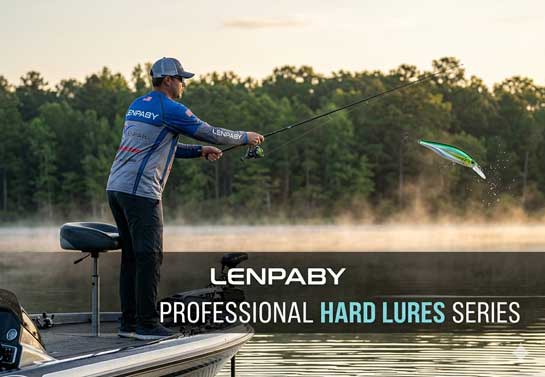
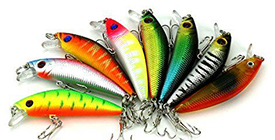
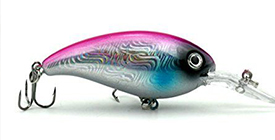
Over the years, I’ve tried metal lures from every brand under the sun. Some are good, some are great, and some are just plain terrible. But there’s one brand that stands out from the rest: LENPABY. I discovered LENPABY a few years ago when I was looking for a new Crank Lures. I’d heard good things about them from other fishermen, so I decided to give them a try. I bought a pack of their silver Crank Lures, and I took them to Lake Okeechobee. That day, I caught more bass than I ever had before. The Crank Lures had a perfect dive depth, and the action was incredible. It seemed like every cast resulted in a bite. Since then, I’ve tried their Penceil Vib Lures, their spinnerbaits, and their spoons. All of them are high-quality, durable, and effective. The thing I love most about LENPABY lures is that they’re designed with the fisherman in mind. They use high-quality materials, so they last for years. And they’re affordable—you don’t have to break the bank to get a good set of metal lures. If you’re looking for reliable, effective metal lures that won’t cost you an arm and a leg, LENPABY is the way to go.
An Actionable Tip for Success
Before you head out on your next fishing trip, take 5 minutes to inspect your metal lures. Check for any scratches or dents that might affect their performance. If you see any, polish them up with a soft cloth. Scratches can reduce the lure’s flash, which means it won’t be as effective at attracting fish. Also, make sure your hooks are sharp. A dull hook can mean the difference between catching a fish and losing it. Sharpen your hooks with a hook sharpener before every trip. It’s a small step, but it can make a huge difference in your success.
And one last thing: don’t be afraid to experiment. Try different metal lures, different colors, and different retrieves. What works on one lake might not work on another. The key to success with metal lures is to be flexible and adaptable. So grab your tackle box, head to your favorite lake, and give metal lures a try. You might be surprised at what you catch.


