




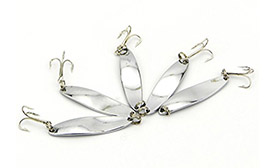

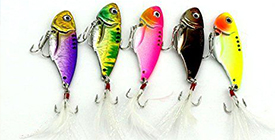
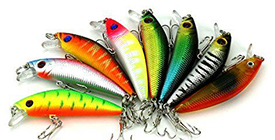
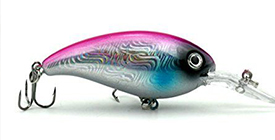
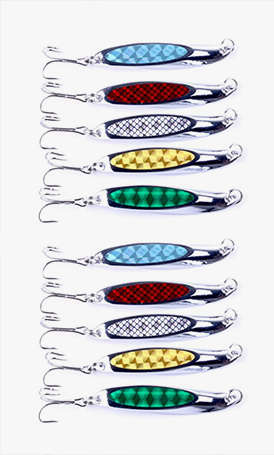

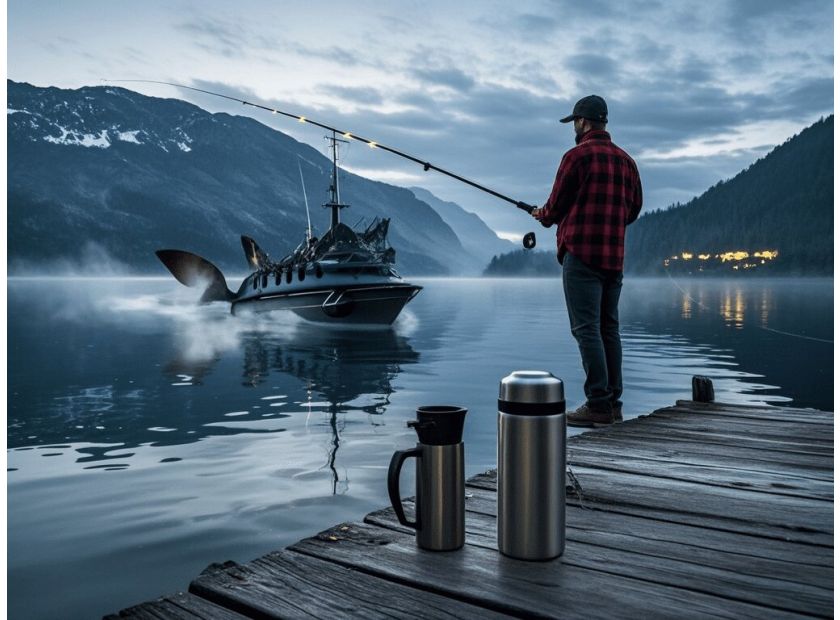
Alright, partner, let me set the scene for you. It was a crisp October morning on Lake Okeechobee in Florida – humidity so thick you could almost sip it, sun just peeking over the cypress trees, water temp hovering right at 72°F. I’d been prepping my tackle box since 4 AM, and this time, I was going all in with soft plastics. I’d heard some buzz about how they could revolutionize my bass game, but honestly, I was a little skeptical. I’d spent 19 years relying mostly on Metal Lures, thinking they were the only way to get those big boys to bite. But that day? Everything changed.
I cast out a Texas-rigged worm – nothing fancy, just a 6-inch green pumpkin from LENPABY – and let it sink to the bottom. The moment it hit, I felt that telltale thump. I set the hook hard, and the fight was on. That bass pulled my line tight, jumping out of the water twice before I could reel it in. When I finally lifted it into the boat, I swear my eyes nearly popped out of my head. It was a 7-pound monster, the biggest bass I’d caught all year.
Why Soft Plastics Changed My Fishing Game
After that morning on Okeechobee, I knew I had to dive deeper into soft plastics. I’d spent so many years sticking to what I knew – the familiar weight and feel of Metal Lures – but soft plastics offered something different. They were more versatile, more subtle, and in some situations, far more effective.
I started experimenting with different types: worms, grubs, creature baits, and swimbaits. Each had its own unique action and worked best in specific conditions. For example, on a calm day with clear water, a finesse worm rigged weightless would trick even the most finicky bass into biting. On a windy day with choppy water, a Texas-rigged creature bait would cut through the waves and get down to the bottom where the big fish were hiding.
Soft plastics also offered more durability than I expected. I’d heard rumors that they were flimsy and would tear easily, but that wasn’t my experience at all. I’d caught multiple fish on the same lure before it showed any signs of wear and tear. That’s a big deal when you’re out on the water all day – fewer lure changes mean more time fishing.
The Power of Natural Presentation
One of the things I love most about soft plastics is their ability to mimic natural prey. Fish are smart – they’ve seen all the fancy lures on the market. But when they see something that looks, feels, and moves like a real worm or minnow, their instinct takes over. That’s when you get those aggressive strikes.
I remember a day on Lake Texoma in Texas – water temp 68°F, early morning, light drizzle. I was fishing a cove with heavy vegetation, and I’d been trying Metal Lures for an hour with no luck. I switched to a senko worm, rigged wacky style, and cast it into the weeds. The worm sank slowly, wiggling gently on the way down. Before it even hit the bottom, a bass attacked it with so much force that my rod bent in half. That was when I realized the true power of natural presentation.
Soft plastics also allow you to slow down your retrieve. Sometimes, fish don’t want to chase a fast-moving lure. They want something that’s easy to catch. With a soft plastic, you can let it sit on the bottom, twitch it gently, or drag it slowly. This gives the fish plenty of time to see the lure and decide to strike.
My Go-To Rigging Techniques
Over the years, I’ve developed a few rigging techniques that never fail me. The Texas rig is my go-to for fishing in heavy cover. It’s simple to rig – just thread a bullet weight onto your line, tie on a hook, and push the hook through the head of the soft plastic. Then, bury the point of the hook into the body of the lure to make it weedless. This rig allows you to cast into the thickest weeds and brush piles without getting snagged.
The Carolina rig is another favorite of mine, especially when fishing in deeper water. It’s similar to the Texas rig, but it has a swivel and a leader. This rig allows the soft plastic to move more freely, creating a more natural action. It’s perfect for fishing over rocky bottoms or in areas with heavy debris.
For finesse fishing, I love the wacky rig. It’s simple – just hook a senko worm through the middle. The worm will fall slowly, wiggling on both ends. This rig is perfect for clear water and spooky fish. I’ve caught more bass on the wacky rig than any other rig combined.
From Lake Michigan to the Gulf Coast
One of the things I love about soft plastics is their versatility. They work in freshwater and saltwater, in lakes and rivers, and in every state across the US. I’ve used them to catch bass, trout, walleye, and even saltwater species like redfish and snook.
On a recent trip to Lake Michigan, I was fishing for walleye. The water temp was 58°F, and the fish were holding in deep water. I rigged a soft plastic minnow on a jig head and dropped it down to 30 feet. Within minutes, I felt a heavy tug on my line. I reeled it in, and there it was – a beautiful 3-pound walleye. I’d never caught a walleye on a soft plastic before, but that day, it worked like a charm.
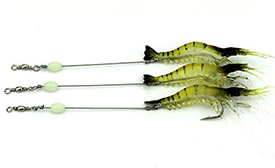
When fishing in saltwater, I love using soft plastics to target redfish and snook. I’ll rig a soft plastic shrimp or minnow on a jig head and cast it into the shallows. The key is to retrieve it slowly, allowing the lure to mimic the movement of a real shrimp or minnow. I’ve caught some of my biggest redfish using this technique.
Lessons Learned from My Failures
Of course, it hasn’t all been success. I’ve had my fair share of failures when fishing with soft plastics. One day, I was fishing in the Mississippi River, and I’d been catching bass left and right on a Texas-rigged worm. Then, suddenly, the bite stopped. I kept fishing the same way, but nothing was working. I should have been more observant. The water temp had dropped a few degrees, and the fish had moved to deeper water. If I’d switched to a Carolina rig and fished deeper, I probably would have kept catching fish.
Another failure happened on the Gulf Coast. I was fishing for redfish, and I’d been using a soft plastic shrimp. I’d caught a few small fish, but I wanted a bigger one. I decided to switch to a larger soft plastic. The problem was that I didn’t adjust my retrieve speed. The larger lure moved slower in the water, and I was retrieving it too fast. The redfish couldn’t keep up with it. If I’d slowed down my retrieve, I probably would have caught a bigger fish.
These failures taught me an important lesson – fishing with soft plastics requires patience and observation. You can’t just tie on a lure and start retrieving it. You have to pay attention to the water temperature, the weather, and the behavior of the fish. You have to be willing to experiment with different rigging techniques and retrieve speeds.
My Favorite LENPABY Soft Plastics
Over the years, I’ve tried a lot of soft plastics from different brands, but my favorites are from LENPABY. Their soft plastics are made from high-quality materials that are durable and long-lasting. They have a wide range of colors and styles, so you can find the perfect lure for any situation.
One of my go-to lures is the LENPABY Green Pumpkin Worm. It’s perfect for Texas rigging and fishing in heavy cover. The color is natural and blends in perfectly with the vegetation. I’ve caught more bass on this lure than any other lure in my tackle box.
Another favorite of mine is the LENPABY Finesse Minnow. It’s a soft plastic minnow that’s perfect for finesse fishing. The color is silver with black stripes, and it looks like a real minnow. I’ve caught bass, trout, and walleye using this lure.
For saltwater fishing, I love the LENPABY Saltwater Shrimp. It’s a soft plastic shrimp that mimics the movement of a real shrimp. I’ve caught redfish, snook, and flounder using this lure. It’s durable and holds up well in saltwater.
Tips for Success with Soft Plastics
Here are a few tips that have helped me succeed with soft plastics over the years:
- Match the hatch: Look for soft plastics that mimic the natural prey in the area you’re fishing. If you’re fishing for bass, use a worm or creature bait. If you’re fishing for walleye, use a minnow. If you’re fishing for redfish, use a shrimp.
- Pay attention to water temperature: Fish are cold-blooded, and their activity levels are affected by water temperature. In warm water, they’ll be more active and will chase fast-moving lures. In cold water, they’ll be slower and will want something that’s easy to catch.
- Experiment with different colors: Different colors work best in different conditions. In clear water, use natural colors like green pumpkin or brown. In murky water, use bright colors like chartreuse or red.
- Don’t be afraid to try new things: Fishing with soft plastics is all about experimentation. Don’t be afraid to try new rigging techniques, retrieve speeds, and colors. You never know what will work until you try it.
Bringing It All Together
After 20 years of fishing, I can honestly say that soft plastics have revolutionized my game. They’re versatile, durable, and effective in almost any situation. Whether I’m fishing for bass in a freshwater lake or redfish in a saltwater estuary, I always have a few soft plastics in my tackle box.
But don’t just take my word for it. Give them a try. Head to your local tackle shop, pick up a few different types of soft plastics, and hit the water. You might be surprised at how many fish you catch. And who knows? You might even catch the biggest fish of your life.
Now, let’s get to that small actionable tip I promised you. Next time you head out on the water, tie on a Texas-rigged worm and cast it into the thickest cover you can find. Let it sit on the bottom for a few seconds, then twitch it gently. Repeat this a few times. You’ll be amazed at how many big fish are hiding in the thickest cover.


