





That Hot August Morning on Lake Okeechobee
Let me set the scene for you. It was August 17th, 2018, the sun was already beating down so hard by 7 a.m. that my forehead was glistening, and the humidity on Lake Okeechobee in Florida was thick enough to cut with a knife. I’d been out for almost two hours casting my usual spinnerbaits and crankbaits, and the only thing I’d caught was a sunburn. Honestly, I was ready to call it a morning, pack up my gear, and head for the nearest diner for some grits and sweet tea.
Then my buddy Jake, who’d been fishing from the other end of our boat, yelled over, “Hey, try this!” He tossed me a small, popping lure that looked like a bluegill. The second it hit the water, I gave it a sharp twitch, and the sound it made was like a frog jumping from a lily pad into the lake—plop! plop! Before I could even start reeling, a 4.5-pound largemouth bass exploded from the surface, its mouth wide open, and swallowed that little popper whole. I set the hook, and the fight was on. That bass fought hard, jumping twice before I finally got it into the net. I looked at Jake, shook my head, and said, “I’ve been doing this wrong for years.”
That day changed everything for me. I caught 12 more bass in the next three hours, all on that popper lure. The water temp hovered around 86°F, and the bass were clearly feeding on the surface. I was so hooked that I spent the next three years testing every popper lure I could get my hands on, from Texas to Michigan, from Lake Texoma to the Mississippi River. I wanted to know when, where, and how to use them to catch more fish, and I learned a lot—including a few hard lessons.
What Exactly Is a Popper Lure?
First off, let’s break down what makes a popper lure so special. Unlike crankbaits or spinnerbaits that dive beneath the surface, poppers are topwater lures. They’re small to medium-sized hard baits, usually made of wood or plastic, with a hollow mouth and a flat, sloped front. When you jerk your rod tip sharply, water rushes into that hollow mouth and then gets pushed out, creating that signature pop! or plop! sound that mimics a struggling baitfish, a frog jumping, or an insect falling into the water. This sound and the splashing on the surface drive fish wild—especially bass and pike—because it triggers their predatory instincts.
Now, you might be thinking, “So any hard bait that pops will work?” Well, not exactly. There are a few key features to look for in a popper. The size is important—smaller poppers (around 2 inches) are great for finicky fish in clear water, while larger poppers (up to 4 inches) are better for murky water or big bass that are feeding on larger baitfish. The color also matters. Natural colors like bluegill, green pumpkin, or silver are great in clear water, while bright colors like chartreuse or red work well in murky conditions where visibility is limited. And let’s not forget the hooks—sharp, strong hooks are a must to ensure you don’t lose that big fish once it bites.
One of my favorite things about poppers is how versatile they are. You can use them in almost any freshwater setting, from small ponds to large lakes and even slow-moving rivers. They’re great for early morning when the water is calm and the sun is just coming up, or in the evening when the bass are feeding on the surface. And they work well in all kinds of weather—even on overcast days when the water is a little choppy. As long as there are fish feeding on the surface, a popper lure will get their attention.
Best Time to Use a Popper Lure
I’ve found that poppers are most effective when the water temp is between 60°F and 90°F. Below 60°F, fish tend to stay deeper in the water column and are less likely to come to the surface. Above 90°F, the water gets too warm, and fish become sluggish. So the sweet spot is spring through fall, when the water is warm and the bass are active. Early morning and late evening are prime times because the water is calm, and the bass are feeding on insects and small baitfish near the surface. I’ve also had great luck on overcast days when the clouds block out the sun, as the bass feel more comfortable coming to the surface to feed.
For example, last May on Lake Texoma on the Texas-Oklahoma border, I went out at 6 a.m. The water temp was 68°F, and the sky was overcast. I cast a bluegill-colored popper near a patch of lily pads, gave it a few twitches, and a 5-pound bass hit it so hard that it launched itself out of the water. I caught seven more bass in the next hour before the sun came out and the fishing slowed down. That’s when I know it’s time to switch to a different lure, like a crankbait or a jig.
Where to Fish With a Popper Lure
When it comes to finding the right spot to use a popper, look for areas where fish might be hiding and waiting to ambush their prey. Lily pads, brush piles, docks, fallen trees, and shallow weed beds are all great places to target. The key is to cast your popper near these structures and then work it slowly. Fish love to hide in the shade of these structures, and when they hear that popping sound, they’ll come rushing out to investigate. I’ve had the most success fishing poppers in water that’s 1 to 6 feet deep, but I’ve also caught fish in water up to 10 feet deep if the surface is calm.
One of my favorite spots to use a popper is in the backwaters of the Mississippi River in Louisiana. The water there is slow-moving, and there are plenty of lily pads and fallen trees. Last fall, I was fishing near a brush pile, and I cast my popper right into the middle of it. When I twitched the rod, a 3-pound bass came out of nowhere and took the lure. I also caught a few crappie and even a small catfish that day on the same popper. You never know what you’re going to catch when you’re using a topwater lure—it’s all part of the fun.
How to Fish With a Popper Lure
Fishing with a popper lure is all about the action. The technique is simple: cast your popper out, let it sit for a few seconds to create ripples on the water, then give your rod tip a sharp twitch to make it pop. Then let it sit again, and repeat. The length of time you let it sit depends on the fish’s mood. Sometimes they’ll hit it right away, while other times you might have to let it sit for 5 to 10 seconds before they strike. The key is to be patient and vary the speed and intensity of your twitches.
I’ve learned that different fish respond to different popper actions. Largemouth bass, for example, love a fast, erratic retrieve with lots of sharp twitches. On the other hand, smallmouth bass prefer a slower, more deliberate retrieve with longer pauses. Northern pike, on the other hand, will strike almost any popper action, but they hit hardest when you give it a few quick twitches and then let it sit for a second. I’ve found that the best way to figure out what works is to experiment. Start with a fast retrieve, then slow it down if you’re not getting any bites. Vary your twitches—some days, a single twitch works best, while other days, a double or triple twitch will get more strikes.
Another important tip is to use the right equipment. A medium to medium-heavy rod with fast action is ideal for popper fishing, as it gives you the power to set the hook quickly and fight big fish. A spinning reel with a 10 to 15-pound braided line is also a good choice, as it’s strong and has minimal stretch, which helps you feel every bite. And don’t forget to use sharp hooks—nothing is more frustrating than losing a big fish because your hook was dull.
My Biggest Failures With Popper Lures
Now, let’s talk about some of my failures with popper lures. Because let’s be honest—no matter how experienced you are, you’re going to have days when things just don’t go right. One of my most memorable failures happened last July on Lake Michigan in Wisconsin. The water temp was 75°F, and the wind was blowing at around 15 mph, making the surface of the lake choppy. I’d heard that smallmouth bass were feeding on the surface, so I grabbed my favorite popper and started casting.
Another failure happened on a cold spring day in Texas. The water temp was only 58°F, and the bass were still in their spawning beds. I tried casting a popper near the beds, thinking the bass might be territorial and strike at anything that came near. But I didn’t get a single bite. After talking to a local guide, I learned that bass are less likely to feed on the surface when the water is cold. They’re more focused on spawning, and they prefer to feed on slower-moving baits that are closer to the bottom. That day, I should have used a jig or a plastic worm instead of a popper. Lesson learned: pay attention to the water temp and the fish’s behavior, and adjust your lure accordingly.
Testing Different Popper Lures Across the US
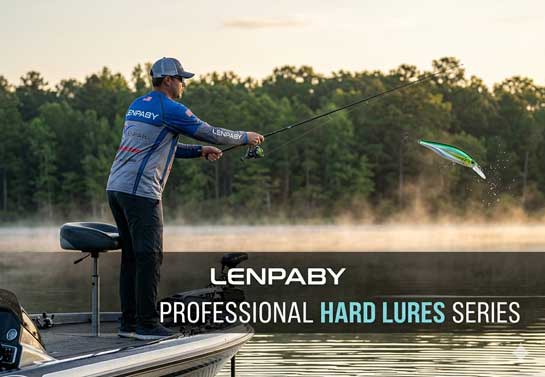
Over the years, I’ve tested hundreds of popper lures, and I’ve found that some brands and styles work better than others. One brand that consistently stands out is Hard Baits. I was introduced to their poppers a few years ago when I was fishing on Lake Texoma, and I’ve been using them ever since. Their poppers are made of high-quality plastic, have sharp hooks, and come in a variety of colors and sizes. I’ve caught bass, pike, crappie, and even a few walleye using their bluegill-colored popper.
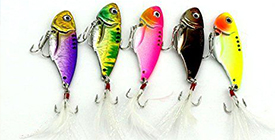
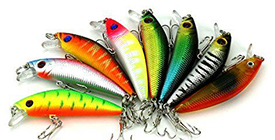
Another great product is their Fishing Set, which includes four different popper lures in various colors. This set is perfect for anglers who are just getting started with popper fishing, as it gives you a chance to test different colors and sizes without breaking the bank. I’ve taken this set with me on trips to Florida, Michigan, and Texas, and I’ve caught fish with every single lure in the set. The lures are durable and have held up well even after being used in saltwater on a few occasions. I highly recommend this set to anyone who wants to get into popper fishing.
One of the most important things I’ve learned about popper lures is that size and color matter. Smaller poppers work best for finicky fish in clear water, while larger poppers are better for murky water or big bass that are feeding on larger baitfish. As for colors, natural colors like bluegill, green pumpkin, and silver are great in clear water, while bright colors like chartreuse or red work well in murky conditions. I also like to match my popper to the natural forage in the lake. If the bass are feeding on bluegills, I use a bluegill-colored popper. If they’re feeding on frogs, I use a frog-colored popper. It’s a simple rule, but it works.
Final Thoughts and an Actionable Tip
So, what have I learned from my 20 years of fishing with popper lures? That they’re one of the most effective topwater lures out there, but they require patience, practice, and the right approach. When used correctly, they can help you catch more fish, especially on warm, calm days when the bass are feeding on the surface. But they’re not a magic bullet—you still need to know when and where to use them, and you need to be willing to experiment with different techniques.
My final tip for you is this: the next time you’re out fishing, and the conditions are right for popper fishing, try this little trick. Before you start casting, take a few minutes to listen to the water. Do you hear any splashes or see any fish jumping? If so, that’s a good sign that the fish are feeding on the surface. Then, cast your popper near where you saw or heard the fish, and give it a sharp twitch. If you don’t get a bite, try varying your retrieve speed and twitch intensity. And don’t give up—sometimes, it takes a few tries to figure out what works.
Here’s your actionable tip: Next time you’re fishing a popper, after each twitch, let it sit for a full 3 seconds. I’ve found this pause often gives hesitant bass the extra time they need to commit to striking.


