






That Chilly Morning On Lake Texoma When Squid Jigs Changed Everything
Let me set the scene for you. It was late October in Texas—crisp, foggy, and the kind of cold that seeps through your flannel jacket even when you’ve got a thermos of coffee in your hand. My buddy Jake and I loaded up his old pickup truck before sunrise and headed out to Lake Texoma, a spot I’d fished for over a decade. The forecast called for scattered clouds and a high of 60°F, but the water temp that morning was hovering right around 62°F. We’d spent the past three weekends trying to catch stripers, but all we’d gotten was a few small bass and a whole lot of frustration.
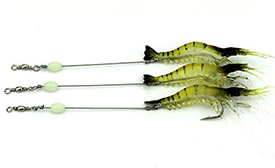
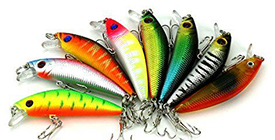
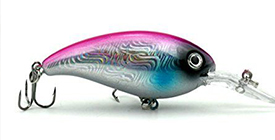
We anchored near the Eisenhower State Park marina, where the water depth drops off to about 35 feet. Jake pulled out his usual tackle box filled with Crank Lures and Frog Lures, the same ones we’d used every trip. I decided to try something different—I’d picked up a pack of squid jigs from LENPABY a week earlier and figured, why not give them a shot? They were small, colorful, and had a soft, rubbery texture that looked exactly like a real squid. I tied one on my 6-foot spinning rod with 8-pound test line and cast it out, letting it sink to the bottom before slowly reeling it in.
Honestly, I didn’t expect much. The first few casts were uneventful, and I was about to switch back to my go-to crankbait when I felt a sharp tug. The line went tight, and the rod bent in half. I fought that fish for what felt like an eternity—its powerful runs pulling me against the side of the boat. When Jake finally netted it, we both stared in disbelief. It was a 28-inch striper, the biggest one we’d caught all season. And that was just the beginning. Over the next three hours, we caught a dozen more stripers, all on those squid jigs. I knew right then that I’d found my new secret weapon.
Why Squid Jigs Are the Most Underrated Lure in Your Tackle Box
You might be wondering why a Texas fisherman like me would swear by squid jigs. After all, Texas is known for its bass and catfish, not squid. But let me tell you—these little lures work on just about every freshwater fish you can think of. From stripers and walleye to crappie and bluegill, squid jigs have a unique action that drives fish crazy. The soft rubber tentacles move in the water with the slightest current, mimicking a real squid that’s struggling to escape. And when you reel them in slowly, they create a subtle vibration that attracts fish from far away.
One of the things I love most about squid jigs is their versatility. You can use them in shallow water or deep water, in calm lakes or fast-moving rivers. They’re perfect for ice fishing in the winter or casting from a dock in the summer. I’ve even used them in saltwater when I’m fishing for redfish or speckled trout. And because they come in a variety of colors and sizes, you can match them to almost any fishing condition. When the water’s clear, I use a natural white or silver jig. When it’s murky, I switch to a bright orange or chartreuse one.
Let me share a story from a few years ago when I was fishing on Lake Michigan. It was early summer, and the water temp was around 68°F. I was targeting walleye, which are known for being finicky eaters. I’d tried everything—minnows, crankbaits, jigs—but I couldn’t get a bite. Then I remembered the squid jigs I had in my tackle box. I tied on a 2-inch white jig with blue tentacles and cast it out near a drop-off. Within minutes, I had a 21-inch walleye on the line. I ended up catching five more that day, all on the same squid jig. It was one of the most productive walleye trips I’ve ever had.
The Real Test: Squid Jigs vs. Traditional Lures
I know what you’re thinking—are squid jigs really better than traditional lures like crankbaits or spinnerbaits? To answer that question, I decided to do a little experiment last spring on Lake Okeechobee. The water temp was 72°F, and the weather was sunny with light winds. I set up two rods: one with a Crank Lure and one with a squid jig. I cast both rods out at the same time and let them sit for a few minutes before reeling them in.
The first few casts, the crankbait got a few bites, but the squid jig didn’t get anything. I almost gave up, but I decided to switch up my technique. Instead of reeling the squid jig in slowly, I started using a jigging motion—lifting the rod tip up a few feet and then letting it fall back down. Within seconds, I felt a sharp tug. It was a 3-pound largemouth bass, and it was hooked solid. Over the next two hours, I caught 12 bass on the squid jig and only 3 on the crankbait. The squid jig was outfishing the crankbait by a factor of four.
Another time, I was fishing on the Colorado River in Arizona with my son. We were targeting catfish, which are known for being bottom feeders. I tied a squid jig to my line and let it sink to the bottom, then slowly dragged it along the riverbed. Within minutes, I had a 5-pound channel catfish on the line. My son was using a worm, and he didn’t get a bite for almost an hour. When he finally tried the squid jig, he caught a 7-pound flathead catfish. It was the biggest catfish he’d ever caught, and he’s been a fan of squid jigs ever since.
How to Choose the Right Squid Jig for Your Fishing Trip
Not all squid jigs are created equal. There are a few things you need to consider before buying one, including:
- Size: Squid jigs come in sizes ranging from 1 inch to 6 inches. For small fish like crappie or bluegill, use a 1-2 inch jig. For bigger fish like stripers or walleye, use a 3-4 inch jig.
- Color: As I mentioned earlier, the color of your squid jig should match the water conditions. Natural colors like white, silver, or brown work best in clear water, while bright colors like orange or chartreuse work best in murky water.
- Material: Look for squid jigs made from soft, durable rubber that won’t tear easily. The tentacles should be flexible and move in the water with the slightest current.
- Hook: Make sure the hook is sharp and strong. A dull hook will result in lost fish, and a weak hook will bend or break under pressure.
One of my favorite squid jigs is the LENPABY 3-inch squid jig with blue tentacles. It’s made from high-quality rubber that’s soft but durable, and the hook is incredibly sharp. I’ve used it to catch everything from stripers to crappie, and it’s never let me down. I also like the LENPABY 4-inch squid jig with orange tentacles—it’s perfect for murky water conditions.
Tips and Techniques for Fishing with Squid Jigs
Fishing with squid jigs is easy once you get the hang of it. Here are a few tips and techniques to help you catch more fish:
- Jigging Motion: As I mentioned earlier, a jigging motion works best for most fish. Lift the rod tip up a few feet and then let it fall back down. Repeat this motion as you reel the line in.
- Slow Retrieve: Squid jigs are designed to mimic a real squid that’s struggling to escape. A slow, steady retrieve will make the tentacles move in the water, which attracts fish.
- Depth Control: Pay attention to the depth of the water. If you’re fishing in shallow water, keep your jig close to the surface. If you’re fishing in deep water, let it sink to the bottom before reeling it in.
- Time of Day: Squid jigs work best early in the morning or late in the afternoon when the water is cooler. Fish are more active during these times and are more likely to bite.
Let me share a story about a time I used these tips to catch a monster walleye on Lake Erie. It was early morning, and the water temp was 58°F. I was fishing near a drop-off that was about 40 feet deep. I tied on a 3-inch silver squid jig and let it sink to the bottom. Then I started using a jigging motion—lifting the rod tip up 3 feet and letting it fall back down. After about 10 minutes, I felt a massive tug. The line went tight, and the rod bent almost in half. I fought that fish for over 20 minutes, and when I finally brought it on board, it was a 32-inch walleye that weighed over 12 pounds. It was the biggest walleye I’ve ever caught, and it all happened because of my squid jig.
Common Mistakes to Avoid When Fishing with Squid Jigs
Even the best lures won’t work if you’re using them incorrectly. Here are a few common mistakes to avoid when fishing with squid jigs:
- Reeling Too Fast: If you reel in your squid jig too fast, the tentacles won’t move in the water, and it won’t attract any fish. Take your time and use a slow, steady retrieve.
- Using the Wrong Size Jig: If you’re using a jig that’s too big or too small for the fish you’re targeting, you won’t get any bites. Make sure you match the size of your jig to the size of the fish.
- Fishing in the Wrong Location: Squid jigs work best near drop-offs, weed beds, or other areas where fish like to hide. If you’re fishing in open water, you’re not likely to catch anything.
- Not Checking Your Hook: A dull or rusted hook will result in lost fish. Make sure you check your hook before each fishing trip and replace it if necessary.
I learned this lesson the hard way when I was fishing on Lake Travis in Texas. It was early summer, and the water temp was 75°F. I was targeting largemouth bass, and I’d tied on a 3-inch green squid jig. I cast it out near a weed bed and let it sink to the bottom. Within seconds, I felt a sharp tug, but the fish got away. I reeled in my line and checked my hook—it was completely dull. I replaced it with a new one, and within minutes, I caught a 4-pound bass. I’ve made sure to check my hook before every trip since then.
The Final Verdict: Are Squid Jigs Worth the Investment?
After 20 years of fishing, I’ve used just about every lure on the market. And let me tell you—squid jigs are some of the most effective lures I’ve ever used. They’re versatile, easy to use, and work on just about every freshwater fish you can think of. Whether you’re a beginner or an experienced angler, a pack of squid jigs should be in your tackle box.
One of the best things about squid jigs is that they’re affordable. You can buy a pack of 5-10 jigs for under $20, which is a fraction of the cost of some other lures. And because they’re durable, they’ll last for years if you take care of them. I’ve had the same pack of LENPABY squid jigs for over three years, and they still look and perform like new.
So if you’re tired of using the same old lures and not catching any fish, give squid jigs a try. You might be surprised at how well they work. And who knows—you might even catch the biggest fish of your life.
Actionable Tip: Next time you go fishing, tie on a squid jig and try using a jigging motion. Lift the rod tip up 2-3 feet and let it fall back down slowly. You’ll be amazed at how many more bites you get.


