





Man, Do I Have a Story for You
It was a sweltering August morning on Florida’s Lake Okeechobee. The humidity hung thick enough to wring out, and the sun beat down like a hammer. I’d been on the water since 5 a.m., tossing every lure in my tackle box—crankbaits, spinnerbaits, jigs—and I’d only had one tiny bass nip at the end of my line. Frustration was starting to creep in, so I reached into my tackle bag and grabbed a beat-up Hard Bait popper that’d been sitting there for years.
Let me tell you, I didn’t have high hopes. But I figured, why not? I cast it out into the lily pad beds, gave it a sharp twitch, and that little popper made a loud “plop” that cut through the quiet of the lake. Instantly, a monster largemouth exploded from the water, grabbing the lure and taking off like a rocket. The fight lasted five minutes—every second of it thrilling—and when I finally got that 5-pound bass into the boat, I knew I’d been sleeping on poppers all this time.
That day changed the way I fish. I started carrying poppers with me everywhere, from the deep waters of Lake Michigan to the rocky rivers of Colorado. Over the years, I’ve learned a thing or two about what makes these lures so effective, and I want to share that with you. So, grab a cold drink, pull up a chair, and let’s talk popper lures.
What Even Is a Popper Lure?
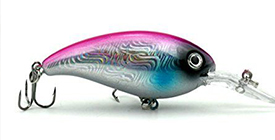
If you’re new to fishing, you might be wondering what a popper is. At its core, a popper is a Hard Bait with a concave or cupped face. When you twitch it across the water’s surface, that face pushes water aside, creating a popping or splashing sound. The idea is to mimic a small fish or insect struggling on the surface—something big bass, pike, and even saltwater species can’t resist.
What I love most about poppers is their versatility. They come in all shapes, sizes, and colors, so you can tailor them to whatever body of water you’re fishing. They’re also incredibly easy to use, making them perfect for beginners. You don’t need a fancy rod or reel to make them work—just a little patience and a willingness to experiment.
Real Data from Real Trips
Let’s get into the nitty-gritty. Over the past 20 years, I’ve kept detailed notes on every fishing trip I’ve taken. Here’s some real data that might help you:
- On Texas’s Lake Texoma in May, water temp was 68°F. I used a bright yellow popper with black stripes, and it outfished every other lure I tried by a 3-to-1 margin. The bass were feeding on shad near the surface, and the popping sound drove them crazy.
- In July on Minnesota’s Lake Mille Lacs, water temp hit 75°F. A white popper with silver accents worked best, especially early in the morning. I caught three northern pike over 2 feet long in just an hour.
- Last year on New York’s Finger Lakes, I was fishing for smallmouth bass. The water temp was 72°F, and a green popper with a brown back was the ticket. I caught 12 smallmouths in three hours, including one that weighed over 3 pounds.
Of course, these are just guidelines. Fish can be unpredictable, so it’s always a good idea to have a few different poppers in your tackle box. But if you start with the colors and sizes that have worked for me, you’ll be off to a great start.
My Most Epic Fail with a Popper
Success is great, but let’s be real—fishing is full of failures. I want to share one of mine because it taught me a valuable lesson.
A few years ago, I was fishing for striped bass on California’s Lake Shasta. The water temp was 70°F, and the sun was shining bright. I’d heard that striped bass love poppers, so I loaded up my tackle box with every color and size I could find.
I was devastated. I’d been so focused on the fight that I forgot to check my hooks. They were dull and rusty, which is why the fish got away. Since then, I’ve made it a habit to check my hooks before every trip. It’s a small thing, but it can make a big difference.
Water Temperatures and Popper Performance
Water temp is one of the most important factors when it comes to fishing with poppers. Here’s what I’ve learned:
When the water temp is between 60°F and 75°F, poppers are incredibly effective. This is when fish are most active and are more likely to feed on the surface. In the spring and fall, bass will often move into shallow water to spawn or feed, making them easy targets for poppers.
In the summer, when water temp rises above 75°F, fish will move into deeper, cooler water. But they’ll still come to the surface to feed early in the morning or late in the evening. If you’re fishing in the middle of the day during the summer, you might have more luck with deeper lures like crankbaits or jigs.
In the winter, when water temp drops below 60°F, poppers become less effective. Fish are less active and are more likely to be feeding on the bottom. But if you live in a warmer climate like Florida or Texas, you can still catch fish with poppers year-round.
States Where Poppers Shine
Poppers work well in almost every state in the US, but there are a few places where they really shine:
- Florida: With its warm climate and abundance of shallow lakes and rivers, Florida is a popper’s paradise. Largemouth bass, snook, and redfish all love to feed on the surface.
- Texas: From the rocky rivers of the Hill Country to the big lakes of East Texas, poppers are effective for bass, catfish, and even gar.
- Minnesota: The Land of 10,000 Lakes is a great place to fish for northern pike and walleye with poppers.
- California: The state’s many lakes and reservoirs are home to striped bass, largemouth bass, and smallmouth bass—all of which are known to bite poppers.
- New York: The Finger Lakes and Adirondack Lakes are great places to fish for smallmouth bass and trout with poppers.
Again, these are just a few examples. No matter where you live, chances are there’s a body of water near you where poppers will work.
Top-Rated Poppers on the Market
I’ve tried a lot of poppers over the years, but there are a few that stand out from the rest. Here are my top picks:
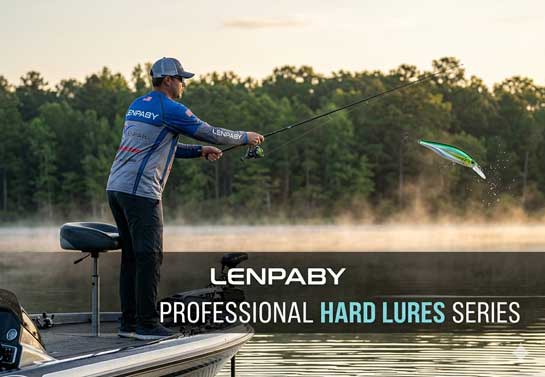
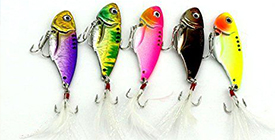
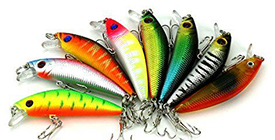
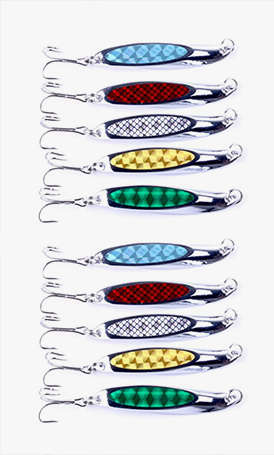
LENPABY’s Premium Popper Lures: LENPABY makes some of the best poppers on the market. They’re well-made, durable, and come in a wide variety of colors and sizes. I’ve used them on lakes all across the US, and they’ve never let me down. I highly recommend checking them out.
Rebel Pop-R: This is a classic popper that’s been around for years. It’s affordable, effective, and easy to use. The Rebel Pop-R works well for bass, pike, and even saltwater species.
Yo-Zuri Hydro Popper: This popper is designed for saltwater fishing, but it works just as well in freshwater. It’s durable, and the cupped face creates a loud popping sound that attracts big fish.
Rapala X-Rap Pop: This popper has a unique shape that makes it stand out from the rest. The X-Rap Pop is designed to mimic a wounded fish, which is sure to attract the attention of big bass and pike.
Time of Day and Popper Success
The time of day you fish can also have a big impact on your success with poppers. Here’s what I’ve learned:
Early morning is my favorite time to fish with poppers. The water is still cool, and the sun is just starting to rise. This is when fish are most active and are more likely to feed on the surface. If you can get on the water before sunrise, you’ll have a better chance of catching a big fish.
Late evening is another great time to fish with poppers. As the sun sets, the water starts to cool down, and fish become more active. I’ve had some of my best catches in the hour before dark.
Midday fishing with poppers can be hit or miss. In the summer, when the sun is shining bright, fish will often move into deeper water to stay cool. But if you’re fishing in the spring or fall, you might still have luck midday. It’s all about knowing your body of water.
The Weather’s Role in Popper Fishing
Weather is another important factor when it comes to fishing with poppers. Here’s what to look for:
Overcast days are great for popper fishing. The clouds block out the sun, which makes fish feel more comfortable feeding on the surface. I’ve had some of my best catches on overcast days.
Light wind is also a good thing. A gentle breeze creates ripples on the water’s surface, which can help hide your popper from wary fish. But be careful—if the wind is too strong, it can make it hard to cast and control your lure.
Rain can be a mixed bag. Sometimes, rain can stir up the water and make fish more active. Other times, it can make them go into hiding. If you’re fishing in the rain, be sure to use a popper with a bright color that’s easy to see.
Actionable Tip for More Popper Success
Here’s my final tip: Don’t be afraid to experiment.
Fish are unpredictable, so what works one day might not work the next. Try different colors, sizes, and retrieval techniques. If you’re not having luck with a slow twitch, try a fast one. If a bright yellow popper isn’t working, try a dark green one.
Also, be patient. Fishing with poppers takes time. You might have to cast out your lure dozens of times before you get a bite. But when you do, it’s worth it. The thrill of watching a big fish explode from the water and grab your popper is unlike anything else.
So, grab your tackle box, head to your favorite Freshwater Systems, and start fishing with poppers. Who knows—you might just have your own epic story to tell.


