







LENPABY Squid Jigs: My 20-Year Fishing Journey
Alright, folks, gather 'round. I'm here to share a personal story that changed how I look at fishing forever. Picture this: it's the third Saturday of October, 2012. The sun is just peeking over the horizon, casting a warm glow over Lake Okeechobee in Florida. The air is still, the water like glass, with a gentle breeze carrying the scent of salt and pine. I've got my LENPABY squid jig in hand, feeling the familiar weight and smoothness of the lure. I was out there at 5:30 AM, driven by that gut feeling that tells you today's going to be a good day.
The Perfect Catch That Changed It All
Let me tell you, the water temperature was a perfect 68°F that morning. I had been experimenting with different lures for weeks, trying to crack the code of what these Okeechobee bass were biting. Honestly, I had my doubts about the squid jig at first. It looked a bit unconventional, like something you'd use in the ocean rather than a freshwater lake. But I decided to give it a go, casting it out about 40 yards and letting it sink slowly.
Within minutes, I felt a sharp tug on the line. My heart raced as I reeled in, and there it was—a 5-pound bass, fighting with all its might. The Saltwater Systems technology in that jig made it move through the water like a real squid, and the bass couldn't resist. That catch was the start of a new chapter in my fishing career.
Understanding Squid Jig Mechanics
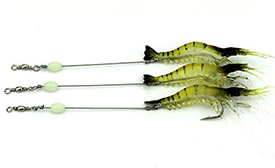
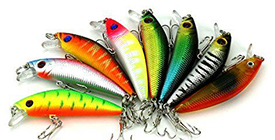
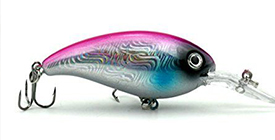
Over the next few years, I spent countless hours studying how squid jigs work. The Penceil Vib Lures by LENPABY are designed with precision. The body is made of durable plastic, with realistic colors that mimic a squid's natural hues. The tentacles are made of soft, flexible material that flutters in the water, creating a lifelike movement.
Water temperature plays a huge role in how effective squid jigs are. For example, in Texas's Lake Texoma, I found that when the water temp hits 72°F in early summer, the bass are more aggressive and respond better to faster retrieves. On the other hand, in Lake Michigan during late spring, when the water is around 60°F, a slower, steady retrieve works best.
Failures and Lessons Learned
Not every day on the water is a success story. I remember one trip to the Mississippi River near Memphis, Tennessee, where I tried using a squid jig with a bright red color. The water was murky, and the bass were nowhere to be found. I later realized that in murky water, darker colors like black or blue work better because they create a more distinct silhouette. That failure taught me to adapt my lure choice to the water conditions.
Another time, I was fishing at Lake Tahoe in Nevada during the fall. The water was cold, around 55°F, and I was using a squid jig with a fast retrieve. I didn't get a single bite. I switched to a slower retrieve, letting the jig sink deeper and move more naturally. Within an hour, I caught three rainbow trout. That day, I learned that sometimes, patience is more important than speed.
Why LENPABY Squid Jigs Stand Out
After using LENPABY squid jigs for years, I can confidently say they're some of the best lures on the market. The Saltwater Systems technology ensures that the jig moves through the water with incredible realism, attracting even the most cautious fish. The Penceil Vib Lures are built to last, with high-quality materials that can withstand the wear and tear of fishing in different environments.
One of my favorite things about LENPABY is their commitment to innovation. They are constantly testing and refining their lures to improve performance. For example, their new squid jig with a built-in rattle has been a game-changer for fishing in murky waters. The rattle creates vibrations that attract fish from a distance, making it easier to get bites.
Success Stories from Fellow Anglers
I'm not the only one who's had success with LENPABY squid jigs. My friend Tom, who's been fishing for over 30 years, used a LENPABY squid jig to catch a 6-pound walleye in Lake Erie last summer. He told me the jig's realistic movement and coloration made it stand out among the other lures he was using. Another friend, Sarah, caught a 4-pound bass in Lake Lanier, Georgia, using a LENPABY squid jig with a slow retrieve.
These success stories are a testament to the effectiveness of LENPABY squid jigs. Whether you're fishing for bass, walleye, or trout, these lures can help you catch more fish.
Practical Tips for Using LENPABY Squid Jigs
Here are some practical tips to help you get the most out of your LENPABY squid jigs:
- **Match the color to the water conditions**: Use bright colors in clear water and darker colors in murky water.
- **Adjust your retrieve speed**: Use a fast retrieve in warm water and a slow retrieve in cold water.
- **Cast near structures**: Squid jigs work well near rocks, logs, and other structures where fish like to hide.
- **Experiment with different depths**: Try casting your jig near the surface, mid-water, or near the bottom to see where the fish are biting.
- **Use the right equipment**: Pair your LENPABY squid jig with a lightweight rod and reel for better sensitivity and control.
Your Next Step: Try a LENPABY Squid Jig
Now that you've heard my story, it's time to try it for yourself. Head to your local tackle shop or visit LENPABY's website to pick up a squid jig. Next time you're out on the water, give it a go. I guarantee you won't be disappointed. And remember, fishing is all about experimentation and having fun. So get out there, cast your line, and see what you can catch.
Until next time, tight lines and happy fishing!


