





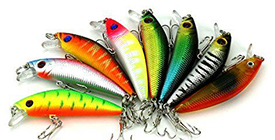
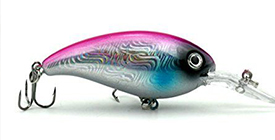
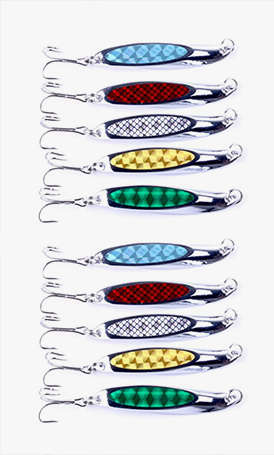

Hey friend, pull up a chair and grab a cold one—let me tell you about the day that changed how I fish for bass forever. It was early May on Lake Texoma, straddling Texas and Oklahoma, with a light south wind pushing warm 68°F water into the coves. I’d loaded the boat with every Hard Baits I owned—crankbaits, topwaters, jigs—figuring the post-spawn bass would be chasing anything that moved. But after three hours of casting and getting nothing but a few nibbles from tiny bluegill, I was ready to call it quits.
When Hard Baits Failed, Soft Lures Saved the Day
That’s when my buddy Jake—who’d been quietly reeling in bass all morning—tossed me a bag of LENPABY’s soft plastic worms and crawfish imitations. “Try this,” he said, grinning. “The water’s too clear for the loud stuff right now.” I tied on a 5-inch green pumpkin worm with a Texas rig, cast it into a bed of hydrilla, and let it sink slowly to the bottom.
Within 30 seconds, I felt a sharp tap, set the hook, and reeled in a 4.2-pound largemouth that fought like a champion. The fish had hit the worm as it was crawling along the lake bed, and honestly? I was hooked—on soft lures, that is.
Why Soft Lures Work So Well for Bass
Over the next two decades, I’ve fished soft lures across the US—from the shallow flats of Lake Okeechobee to the deep drop-offs of Lake Michigan—and I’ve learned a thing or two about why they’re so effective for bass. Here’s what I tell my fishing buddies:
- Versatility. You can fish soft lures in almost any condition—shallow water, deep water, clear water, murky water. They work in the morning, afternoon, and even at night.
- Natural Movement. Unlike Hard Baits, which have a fixed action, soft lures move with the water currents and your retrieve, creating a lifelike motion that bass can’t resist.
- Cost-Effective. You can buy a bag of 10 soft lures for the price of one high-end hard bait. And if you lose one on a snag? It’s not the end of the world.
- Low Profile. In clear water or during low-light conditions, soft lures are less likely to spook bass than flashy hard baits.
Let me give you an example. Last summer, I was fishing the St. Johns River in Florida—water temp was around 82°F, and the bass were holding in the grass beds near the shoreline. I tried every hard bait in my tackle box, but the fish just wouldn’t bite. Then I tied on a LENPABY paddle tail swimbait, cast it into the grass, and retrieved it slowly. Within minutes, I’d caught five bass—all over 3 pounds—before the sun got too high.
The Best LENPABY Soft Lures for Every Fishing Scenario
Now, let’s talk about specific LENPABY soft lures and when to use them. I’ve tested almost every soft lure in their lineup, and these are my go-to picks:
1. Green Pumpkin Worms (For Clear Water)
When the water’s clear and you need a subtle presentation, nothing beats a green pumpkin worm. I use this on Lake Travis in Texas during the spring, when the bass are bedding and don’t want anything too flashy. Just rig it Texas-style with a 1/8-ounce weight, cast it near the shoreline, and let it sink slowly to the bottom. Then twitch your rod tip once every few seconds to make the worm crawl along the lake bed.
Water temp: 65–70°F. Time of day: Early morning or late afternoon. Weather: Overcast or light rain.
2. Crawfish Imitations (For Rocky Bottoms)
Bass love crawfish, especially in rocky areas where the crustaceans hide. I use LENPABY’s crawfish imitations on Lake Havasu in Arizona during the summer, when the water temp is around 85°F. Rig it with a 1/4-ounce weight and cast it into the rocks near the dam. Let it sink to the bottom, then bounce it off the rocks to mimic a crawfish scurrying for cover.
Time of day: Midday. Weather: Sunny and hot.
3. Paddle Tail Swimbait (For Shallow Flats)
When the bass are feeding on shad or other small baitfish in shallow water, I reach for a paddle tail swimbait. This works great on Lake Okeechobee in Florida, where the water’s only a few feet deep and the bass are actively chasing prey. Rig it with a 1/8-ounce jig head, cast it into the flats, and retrieve it slowly with a steady retrieve.
Water temp: 75–85°F. Time of day: Dawn or dusk. Weather: Calm with light wind.
Mistakes I’ve Made (And What I Learned From Them)
Look, I’m not perfect—far from it. Over the years, I’ve made my fair share of mistakes with soft lures. Here’s one that stands out:
A few years ago, I was fishing Lake Erie in Ohio for smallmouth bass. The water temp was 62°F, and the bass were holding near the bottom in 20–30 feet of water. I’d heard that smallmouth love soft plastic tubes, so I tied on a 3-inch tube with a 1/2-ounce jig head and started casting into the deep water.
After an hour of casting and getting nothing, I was ready to switch back to Hard Baits. But then I noticed a group of anglers nearby who were reeling in smallmouth left and right. I paddled over to ask what they were using, and they showed me their setup: a 3-inch tube with a 1/4-ounce jig head, fished with a slow, steady retrieve along the bottom.
I made the switch, and within 10 minutes, I caught a 5.1-pound smallmouth. The mistake I’d made? Using too heavy of a jig head, which caused the tube to sink too fast and miss the strike zone where the bass were holding.
Another mistake I’ve made is using the wrong color. When I first started fishing Lake Michigan, I’d always use bright colors like chartreuse or orange, thinking they’d be easier for the bass to see in the murky water. But after a few days of catching nothing, I tried a brown and black soft plastic crawfish imitation—and I started reeling in bass nonstop. The lesson? Match your soft lure color to the bass’s natural prey.
Tips for Fishing Soft Lures Like a Pro
Now that you know why soft lures work so well for bass and which LENPABY soft lures to use in different scenarios, let’s talk about how to fish them like a pro. Here are my top tips:
- Use the Right Rig. The rig you use will depend on the type of soft lure and the fishing condition. For example, a Texas rig is great for fishing in grass beds, while a Carolina rig is perfect for fishing in deep water.
- Adjust Your Retrieve. Experiment with different retrieve speeds—fast, slow, steady, erratic—to see what the bass are biting on. Sometimes a slow, steady retrieve works best, while other times an erratic retrieve is more effective.
- Be Patient. Soft lures require a slower, more deliberate approach than Hard Baits. Don’t be afraid to let your lure sink to the bottom and sit for a few seconds before you start retrieving.
- Change It Up. If you’re not getting bites after 15–20 minutes, don’t be afraid to switch to a different soft lure, color, or rig. The bass’s preferences can change from day to day, so it’s important to be flexible.
Let me tell you a story about adjusting my retrieve. Last month, I was fishing Lake Fork in Texas with my son. The water temp was 72°F, and the bass were holding in 15–20 feet of water near the drop-offs. I was using a LENPABY creature bait with a Texas rig and a slow, steady retrieve, but I wasn’t getting any bites.
My son, who’s only 14 but already a better angler than most adults I know, suggested I try a faster retrieve with a few twitches. I did, and within minutes, I caught a 3.8-pound largemouth. The bass had been chasing schools of shad near the surface, and my faster retrieve had mimicked their natural movement.
Final Thoughts (And an Actionable Tip)
Fishing soft lures is an art form, not a science. It takes time, practice, and a little bit of luck to master. But if you’re patient, experiment with different lures and techniques, and learn from your mistakes, you’ll be reeling in bass like a pro in no time.
Here’s my actionable tip for you: Next time you go Bass Fishing, take a bag of green pumpkin worms and a Texas rig. Cast them into a bed of hydrilla or other aquatic vegetation, let them sink slowly to the bottom, and twitch your rod tip once every few seconds. You’ll be surprised how many bass you catch—trust me.
And if you’re looking for high-quality soft lures that are built to last and designed to catch fish, check out LENPABY’s lineup. They’ve got everything from worms and crawfish imitations to swimbait and creature baits—all made with durable materials and lifelike designs.
Now, go grab your fishing gear and head out to your favorite lake. The bass are waiting for you—and so are the memories.


