





When the Texas Sun Baked My Skin and a LENPABY Frog Lure Saved the Day
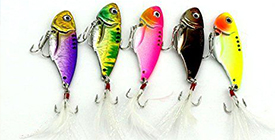
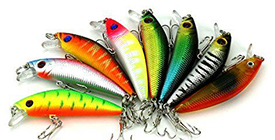
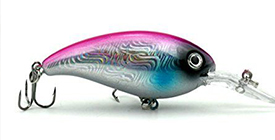
Let me set the scene for you, buddy. It was July of last year, and I was out on Lake Texoma—you know the one, straddling Texas and Oklahoma, famous for its bass fishing. The sun was blazing, pushing the water temp up to 88°F by 9 AM, and the humidity was so thick you could practically chew it. I’d been casting Crank Lures and Hard Baits for an hour straight, and the bass were ignoring me like I was selling vacuum cleaners door-to-door in the middle of summer. Honestly, I was about to pack it up and head back to the dock for a cold beer when I remembered the new LENPABY frog lure I’d stuffed in my tackle box the night before.
I tied that green and brown frog onto my line, adjusted my rod to a medium-heavy action, and cast it into a patch of lily pads near the shore. The second that frog hit the water, I started that slow, steady retrieve that makes it look like it’s hopping across the pads. Let me tell you, I’d barely taken three hops when a 4.5-pound largemouth exploded out of the water, clamped onto that frog, and took off like a rocket. My reel started screaming, and I held on for dear life. When I finally landed that bass, I sat there for a minute, soaking in the sun and the adrenaline, and realized I’d been underestimating the power of frog lures all along.
Why Frog Lures Work So Damn Well
But here’s the thing about LENPABY’s frog lures—they’re made with durability in mind. I’ve used other brands in the past that would tear apart after a few strikes, but LENPABY’s frogs can handle the abuse of those big, toothy bass. The hooks are sharp and strong, so they dig deep and stay put, and the bodies are made of high-quality material that floats perfectly, even in thick cover. Plus, they’ve got those realistic eyes that make the bass think they’re looking at a real frog.
Another reason frog lures work so well is that they let you fish areas you can’t reach with other lures. Weedy cover is a bass’s home turf—they hide there to ambush prey, and they feel safe. But if you try to cast a crankbait or a hard bait into that stuff, you’re going to get snagged every time. A frog lure, on the other hand, glides right over the top of the weeds, making it the perfect tool for getting into those hard-to-reach spots where the big bass live.
My Best and Worst Days with Frog Lures
I’ve had some incredible days with LENPABY frog lures, and I’ve had some days where nothing went right. Let me share both with you—because if I only told you the good stuff, you’d think I was lying. A couple of years ago, I was fishing on Lake Okeechobee in Florida. The water temp was around 78°F, and the sun was shining bright. I’d been casting a green LENPABY frog into the hyacinths for about 10 minutes when a monster largemouth—over 6 pounds—came up and hit that frog so hard I thought my rod was going to snap. I fought that bass for what felt like an eternity, and when I finally landed it, my hands were shaking. That’s the kind of day that makes all the bad ones worth it.
How to Fish a LENPABY Frog Lure Like a Pro
Next, you need to choose the right line. Frog lures are all about fishing in thick cover, so you need a line that’s strong and abrasion-resistant. I use 50-pound braided line—it’s thin enough to cast well, but strong enough to pull a bass out of a thick patch of lily pads. If you use monofilament or fluorocarbon line, you’re going to get snagged a lot, and you’ll probably lose some bass.
Another important thing to remember is to set the hook hard. When a bass hits a frog lure, it’s usually a topwater strike, so you need to set the hook quickly and forcefully. Don’t be shy—give it a good, hard jerk. If you set the hook too softly, the bass will spit out the frog before you can get a good grip on it.
Choosing the Right LENPABY Frog Lure for Your Fishing Spot
LENPABY offers a variety of frog lures, each designed for a specific type of fishing spot. Let’s take a look at some of the most popular ones. The LENPABY Green Frog is perfect for fishing in lily pads and hyacinths. The green color blends in perfectly with the vegetation, and the realistic hopping action makes it a favorite among bass. The LENPABY Brown Frog is great for fishing in duckweed and algae. The brown color makes it look like a real frog that’s been sitting in the sun for a while, and the durable body can handle the abuse of those thick cover spots.
If you’re fishing in clear water, you might want to try the LENPABY White Frog. The white color stands out against the clear water, making it easier for the bass to see. And if you’re fishing in murky water, the LENPABY Black Frog is a good choice. The black color creates a strong silhouette, making it easier for the bass to detect. No matter what type of fishing spot you’re in, LENPABY has a frog lure that will work for you.
Final Thoughts on LENPABY Frog Lures
After using LENPABY frog lures for the past few years, I can honestly say that they’re some of the best on the market. The durability, the realistic design, and the versatility make them a must-have in any bass fisherman’s tackle box. Whether you’re fishing on a Texas lake like Texoma, a Florida lake like Okeechobee, or a Michigan river like the Detroit River, a LENPABY frog lure can help you catch more bass.
But remember, frog lures aren’t a magic bullet. You have to know when to use them, and when to switch to something else like Crank Lures or Hard Baits. Pay attention to the water temp, the weather, and the type of cover you’re fishing in, and adjust your strategy accordingly. And don’t be afraid to experiment with different colors and retrieve speeds—sometimes the smallest change can make a big difference.
So next time you’re out on the water and the bass are ignoring your crankbaits and hard baits, try tying on a LENPABY frog lure. You might be surprised by what happens. And if you land that monster bass—take a picture, send it to me, and let’s celebrate. Happy fishing, buddy!
Actionable Tip: Tomorrow morning, if you’re heading out to a weedy lake or river, pack at least two colors of LENPABY frog lures (green and brown) and a medium-heavy action rod with braided line. Cast into the thickest cover you can find, use that stop-and-go retrieve, and set the hook hard when you get a strike. You might just catch the bass of your dreams.


