






Let me tell you about the first time I truly understood the magic of squid jigs. It was a crisp November morning on Lake Texoma, straddling Texas and Oklahoma, when the air carried that faint tang of autumn and the water sat at a steady 62°F. The sky was overcast with thick gray clouds, and a light breeze ruffled the surface, creating just enough chop to mask my presence.
I’d been out for two hours already, casting every lure in my tackle box—from crankbaits to soft plastics to even some of those fancy Popper Lures I’d picked up a week prior. The bass and crappie I’d come for were nowhere to be found, and I was starting to feel that familiar tinge of frustration that every angler knows too well.
As I reeled in yet another empty hook, I noticed a faint movement near the surface. A school of baitfish was darting around erratically, as if they were being chased by something. I grabbed my binoculars and scanned the water. That’s when I saw them—dozens of squid, their iridescent bodies shimmering in the dim light as they darted through the baitfish school.
Squid Jigs: More Than Just Squid Lures
I’d never thought much about squid jigs before that day. I’d always associated them with saltwater fishing off the Texas coast, where my buddy Mark swears by them for catching redfish and snapper near Galveston Bay. But here they were, in a freshwater lake, and they seemed to be the key to unlocking the bite I’d been missing.
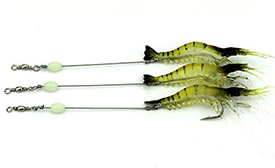
I rummaged through my tackle box and found a small pack of LENPABY squid jigs I’d bought on a whim a few months back. Honestly, I’d forgotten they were there. The jigs were about 3 inches long, with soft, lifelike tentacles and a vibrant pink and purple color pattern that looked almost identical to the squid I was seeing in the water.
I tied one onto my line, cast it out toward the baitfish school, and let it sink to about 10 feet deep. I gave it a gentle upward jerk, then let it fall back down, mimicking the natural movement of a squid. Within seconds, my line went tight. I set the hook and felt that thrilling jolt as whatever was on the end fought back. When I reeled it in, I couldn’t believe my eyes—it was a 3-pound largemouth bass, its mouth clamped firmly onto the squid jig.
That single catch changed everything for me. Over the next three hours, I caught over 20 fish—bass, crappie, and even a few catfish—all using those LENPABY squid jigs. The other anglers around me were still struggling with their traditional lures, while I was practically pulling fish out of the water one after another. It was a fishing experience I’ll never forget.
Why Squid Jigs Work So Well
Since that day on Lake Texoma, I’ve spent countless hours fishing with squid jigs across the United States, from the freshwater lakes of Michigan to the saltwater bays of Florida. And let me tell you, they’ve never let me down.
The reason squid jigs are so effective is simple—they mimic the natural prey of so many different fish species. Squid are a staple in the diet of everything from bass and crappie in freshwater to redfish, snapper, and tuna in saltwater. Their unique shape, movement, and iridescent colors trigger a predatory response in fish that few other lures can match.
LENPABY squid jigs are especially well-designed for this type of fishing. The soft, lifelike tentacles move with even the smallest twitch of your rod, creating a realistic swimming action that fish can’t resist. The vibrant color patterns are specifically chosen to mimic the natural colors of squid in different water conditions—from the bright pinks and purples I used on Lake Texoma to the more subtle greens and browns I use in murky rivers like the Mississippi.
Freshwater Fishing with Squid Jigs
While squid jigs are often associated with saltwater fishing, they’re just as effective in freshwater. I’ve used them successfully in lakes like Okeechobee in Florida, where I caught a 5-pound largemouth bass that practically inhaled the jig, and in the Great Lakes, where I’ve caught both smallmouth bass and walleye.
One of my favorite freshwater spots for squid jig fishing is Lake Michigan, specifically around the St. Joseph River mouth in Michigan. The water here is usually clear with a slight green tint, and the temperature hovers around 68°F during the summer months. I like to fish in the early morning or late evening, when the light is dim and the fish are more active.
The key to success with squid jigs in freshwater is to match the size and color of the jig to the conditions. In clear water, I use smaller jigs with more subtle colors, like olive green or brown. In murky water, I go for larger jigs with brighter colors, like chartreuse or orange. And I always make sure to mimic the natural movement of squid—short, sharp jerks followed by a pause.
Saltwater Fishing with Squid Jigs
Of course, squid jigs are also fantastic for saltwater fishing. I’ve used them to catch redfish in Galveston Bay, snapper in the Gulf of Mexico, and even tuna off the coast of Florida. One of my most memorable saltwater squid jig fishing trips was off the coast of Corpus Christi, Texas, where I caught a 15-pound snapper that put up a fight I’ll never forget.
The water there was crystal clear and had a temperature of around 75°F, which is perfect for squid. I used a large LENPABY squid jig with a blue and silver color pattern, and I fished it near a reef at about 30 feet deep. The jig’s soft tentacles and realistic movement triggered the snapper’s predatory instincts, and it didn’t take long for me to get a bite.
When fishing with squid jigs in saltwater, it’s important to use the right gear. I recommend using a medium-heavy rod with a fast action and a reel with a high gear ratio. This will allow you to cast far and reel in quickly, which is important when fishing for fast-moving species like tuna.
I also recommend using Saltwater Systems to keep your gear in top condition. The saltwater can be tough on your rods and reels, so it’s important to clean and maintain them after every trip. A good saltwater fishing system can help you do just that, ensuring that your gear lasts for years to come.
Lessons Learned from Failures
Of course, not every squid jig fishing trip is a success. I’ve had my fair share of failures over the years, and they’ve taught me some valuable lessons.
One time, I was fishing in the Florida Keys for mahi-mahi. I’d heard that squid jigs were fantastic for these colorful fish, so I tied one onto my line and cast it out into the open ocean. I jigged it up and down for over an hour, but I didn’t get a single bite. Frustrated, I decided to switch to a different lure—a soft plastic shrimp. Within five minutes, I’d caught a 10-pound mahi-mahi.
I realized later that the problem was the color of my squid jig. The water in the Florida Keys is crystal clear and has a bright blue color, so the pink and purple jig I was using didn’t blend in well with the surroundings. I should have used a more subtle color, like silver or blue.
Another time, I was fishing in the Mississippi River for catfish. I’d heard that catfish love squid, so I tied a large squid jig onto my line and cast it out into the murky water. I let it sink to the bottom and waited. I waited for over two hours, but I didn’t get a single bite. I eventually gave up and went home empty-handed.
I learned that day that catfish are more likely to bite on live or dead bait, like worms or cut bait, than on artificial lures like squid jigs. While squid jigs can be effective for some species of freshwater fish, they’re not always the best choice for catfish.
Final Thoughts and an Actionable Tip
Over my 20 years of fishing, I’ve learned that squid jigs are some of the most versatile and effective lures you can have in your tackle box. They work in both freshwater and saltwater, and they’re effective for catching a wide variety of fish species.
LENPABY squid jigs are my favorite because of their realistic design and vibrant color patterns. They’re durable, affordable, and they’ve never let me down. Whether I’m fishing for bass in Lake Texoma, snapper off the Texas coast, or even tuna off the coast of Florida, I always make sure to have a few LENPABY squid jigs in my tackle box.
Here’s my actionable tip for you: the next time you’re out fishing and you’re not getting any bites with your traditional lures, try switching to a squid jig. Match the size and color of the jig to the water conditions, and mimic the natural movement of a squid. I promise you won’t be disappointed.


