





That One Sweltering Morning on Okeechobee
It was July 3rd, 2019, just before dawn, and the air over Lake Okeechobee in Florida hit me like a wet blanket the second I stepped out of my truck. The humidity was so thick you could almost chew it, and the smell of cattails and marsh mud filled every breath. The water was still dark, reflecting the faint glow of the rising sun, and the air temp was already 82°F—by mid-morning, I knew it’d climb past 95. I’d been fishing this lake off and on for ten years, chasing bass, but this trip? It was supposed to be just another weekend, but it ended up changing how I thought about soft plastics forever.
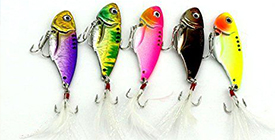
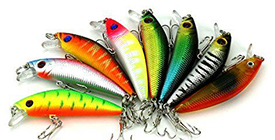
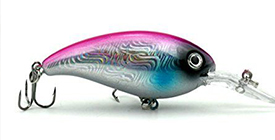
My buddy Jake was with me, a guy who’d been fishing with me since I first started tossing lures. He was a die-hard hard bait fan—swore by his Fishing Set loaded with crankbaits and jigs. Me? I’d always kept a few soft plastics in my tackle box, but I’d never given them the time they deserved. “You’re wasting your time with those squishy things, Mike,” he’d say, adjusting his baitcaster. “Hard baits are where it’s at when the sun’s high.”
We hit our first spot—a shallow cove near the Kissimmee River inlet—by 6:15. Jake cast out a crankbait, and within five minutes, he’d hooked a small bass. I tried a soft plastic worm I’d picked up at a local tackle shop a week earlier, but after 45 minutes of casting without a single bite, I was ready to throw in the towel. I switched to a spinnerbait, but still nothing. The sun was rising higher now, and the water temp had climbed to 68°F. I could feel sweat dripping down my back, and frustration was setting in fast.
That’s when it happened. Jake reeled in a small bass, and as he was removing the lure from its mouth, a larger bass surged out of the weeds and tried to steal the smaller one. I watched, mesmerized, as the big bass vanished back into the thick cover. “You see that?” I said, pointing. “That big one was hiding in the weeds, waiting for an easy meal.” Jake nodded, but he kept casting his crankbait. I, on the other hand, decided to give soft plastics another shot—this time, with a different approach.
Why Soft Plastics Outperform Hard Baits When the Sun’s High
Soft plastics aren’t just another tool in your tackle box—they’re a game-changer, especially when conditions get tough. That morning on Okeechobee taught me that. Here’s why:
They’re Weedless and Easy to Cast in Thick Cover
When the sun is high, bass don’t just hide under docks—they move into thick vegetation, under lily pads, or in the shade of overhanging trees. Hard baits like crankbaits or spinners often get snagged in this cover, causing frustration and lost lures. Soft plastics, on the other hand, can be rigged weedless. I rigged my worm Texas-style that day, and I was able to cast it right into the thickest cattails without a single snag. That’s something I could never do with Jake’s crankbaits.
They Sink Slowly and Provide a Natural Fall
One of the reasons I’d always struggled with soft plastics before was that I didn’t understand how to fish them. I’d just cast them out and reel them in fast, like I would with a spinnerbait. But on Okeechobee, I learned that soft plastics shine when you let them fall slowly. The bass were holding tight to the bottom of the cove, and a fast retrieve was just too much for them. So I started letting my worm sink for three or four seconds after each cast, then reeling it in with small, slow movements. Within five minutes, I had my first bite.
It was a decent bass—four pounds, maybe a little more—and it hit so hard I almost dropped my rod. The soft plastic worm had settled right into the thick weeds, and the bass had grabbed it as it fell. I reeled it in, and Jake’s eyes went wide. “Did you get that with a soft plastic?” he asked, disbelief in his voice. “I thought you said those things didn’t work in the heat.”
They’re Versatile and Can Be Rigged in Dozens of Ways
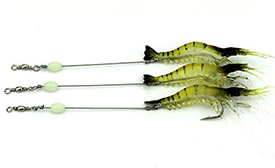
That morning, I learned that soft plastics aren’t just for worms. You can rig them as Texas rigs, Carolina rigs, Ned rigs, or even drop shots. Each rig has a different action, and each is effective in different conditions. I tried a Ned rig later in the day, using a small soft plastic crawfish, and caught three more bass. Jake, on the other hand, had only caught two more bass with his crankbaits. “Okay, Mike,” he said, finally admitting defeat. “Maybe soft plastics aren’t so bad after all.”
Choosing the Right Soft Plastic for the Job
Not all soft plastics are created equal. I’ve learned that over my 20 years of fishing, and that day on Okeechobee only reinforced that. Here are a few things to keep in mind when choosing soft plastics:
Match the Bait to the Water Conditions
The water on Okeechobee that day was slightly murky—about two feet of visibility. That meant I needed a soft plastic that would stand out. I used a worm with a bright green pumpkin color, and it worked perfectly. If the water had been clearer, I might have used a more natural color, like brown or black. Similarly, if the water was colder, I’d use a slower-sinking bait, like a soft plastic worm with a heavier weight. If the water was warmer, I’d use a lighter weight to let it fall more slowly.
Consider the Size and Shape of the Bait
Bass have small mouths—they’re not going to eat a bait that’s too big. On Okeechobee that day, I used a 4.5-inch soft plastic worm, and that seemed to be the sweet spot. If I’d used a larger bait, like a 6-inch worm, I might have caught fewer bass. Similarly, the shape of the bait matters. A worm with a straight body works well in open water, while a bait with a curly tail is better for fishing in weeds or around cover.
Don’t Be Afraid to Experiment with Colors and Rigs
I’ve caught bass on soft plastics in every color imaginable—from bright pink to natural brown. The key is to experiment and see what works that day. I’ve had days where I caught nothing on a green pumpkin worm, but caught five bass on a red one. Similarly, I’ve had days where a Texas rig worked perfectly, and days where a Ned rig was the only thing that would get a bite. If you’re not catching anything with your current setup, don’t be afraid to switch things up.
By 10:00 AM, the air temp had climbed to 96°F, and the water temp was 76°F. We’d been fishing for almost four hours, and I’d caught eight bass—three of them over five pounds. Jake had caught five, all under four pounds. “Okay, Mike,” he said, leaning against his boat. “You win. Soft plastics are better when the sun’s high. But next time, I’m bringing my Penceil Vib Lures—those work great when the water’s cooler.”
But for me, that day on Okeechobee was a turning point. I’d always been a hard bait fan, but now? I keep a Fishing Set loaded with soft plastics in my truck at all times. They’re the first thing I reach for when the sun’s high, when the water’s murky, or when the bass are holding tight to the bottom. They’re quiet, they’re versatile, and they’re effective—and they’ve helped me catch more bass than any other lure I’ve ever used.
How to Fish Soft Plastics Like a Pro
Now, I know what you’re thinking: “Okay, Mike, soft plastics sound great. But how do I use them to catch bass?” Here are a few tips to help you get started:
Keep Your Line Tight and Stay Alert
Soft plastics don’t have the same vibration as hard baits, so you won’t always feel a bite right away. The key is to keep your line tight and stay alert. If your line goes slack or you feel a slight tap, set the hook hard. I’ve lost more bass than I can count because I was too slow to set the hook. So keep your line tight, stay focused, and don’t hesitate when you feel a bite.
Practice Makes Perfect
Like any other lure, soft plastics take practice to use effectively. I spent years throwing hard baits before I even picked up a soft plastic, and it took me months to get comfortable with them. But once I did? It was like a light switch flipped. So don’t get discouraged if you don’t catch anything your first few times. Keep practicing, keep experimenting, and eventually, you’ll find what works for you.
I remember one trip to Lake Texoma in Texas a few years after Okeechobee. The weather was similar—hot, humid, and the water temp was 78°F. I tried a soft plastic worm with a Texas rig, and within 30 minutes, I’d caught a five-pound bass. That bass was the biggest I’d caught all year, and it was all thanks to the lessons I’d learned on Okeechobee.
Consider the Time of Day
Soft plastics aren’t just for midday fishing—they’re effective at all times of the day. But I’ve found that they work best when the sun is high and the water is warm. During the early morning or late evening, I’ll switch back to hard baits, like my Penceil Vib Lures, which are great for when the water’s cooler. But if the sun’s up and the water’s warm? Soft plastics are my go-to every time.
I’ve caught bass on soft plastics in lakes all over the US—Okeechobee, Texoma, Michigan, and even the Missouri River in Montana. Each trip has taught me something new, and each has reinforced my belief that soft plastics are one of the most effective lures for bass fishing. They’re quiet, they’re versatile, and they’re effective—and they’ve helped me catch more bass than any other lure I’ve ever used.
A Small, Actionable Tip to Try Next Time
So, next time you’re out fishing, and the sun’s high, and the water’s warm? Give soft plastics a try. Here’s a tip that’ll help you catch more bass: Let your soft plastic fall slowly. The bass are holding tight to the bottom of the lake, and a fast retrieve is just too much for them. So let your bait fall for three or four seconds after each cast, then reel it in with small, slow movements. You’ll be surprised at how many more bass you catch.
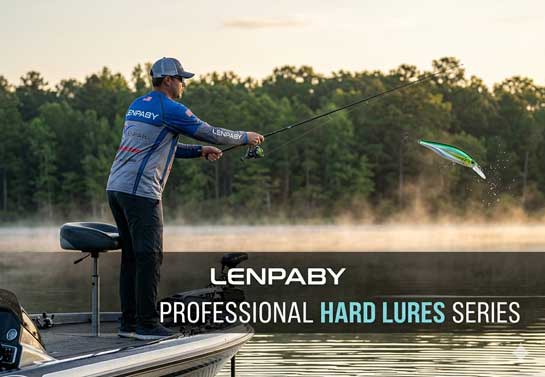
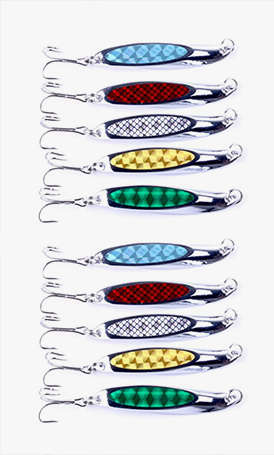
And if you’re looking for a great fishing set that includes both soft plastics and hard baits? Check out my buddy Jake’s go-to: the Fishing Set from LENPABY. It’s loaded with everything you need to catch bass in any conditions, and it’s built to last. Trust me—you won’t regret it.
So, next time you’re out on the lake, give soft plastics a chance. They might just change how you think about fishing forever.


