





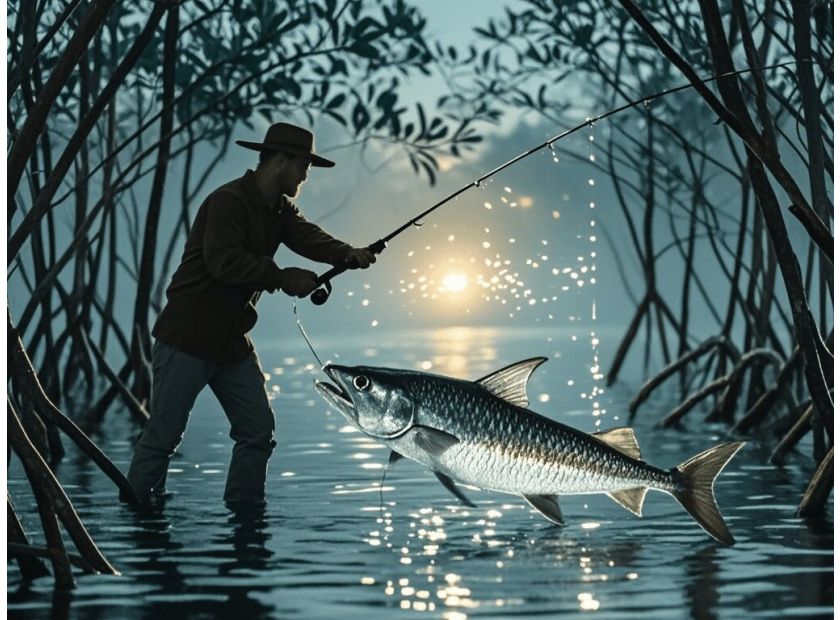
Alright, folks. Gather ‘round. I’m about to spill the beans on why hard baits have been my go-to for the past 20 years of chasing bass from the murky backwaters of Florida’s Okeechobee to the crystal-clear depths of Lake Michigan. No fancy jargon, no over-the-top claims—just a Texas angler sharing what’s worked (and what’s flopped) in the real world.
Where It All Clicked
It was a sweltering July morning on Lake Texoma, straddling the Texas-Oklahoma border. Humidity so thick you could cut it with a fillet knife, and the water temp hovering at 82°F. For three hours straight, I’d been tossing soft plastics—worms, craws, Texas rigged, Carolina rigged—nothing. Zilch. Not even a nibble. I was this close to calling it quits, telling my buddy we should hit the local diner for some biscuits and gravy instead.
That’s when I spotted a school of shad busting the surface near a set of submerged brush piles. On a whim, I grabbed my rod with a beat-up old squarebill crankbait that had seen more sun than a retiree in Phoenix. Two casts later? Boom. A 4-pound largemouth exploded on it like I’d just thrown a steak to a hungry pitbull. In the next two hours, we caught 12 more bass—all on that same crankbait.
That day changed everything for me. I realized hard baits weren’t just a "fun" option; they were a proven, consistent way to put fish in the boat when other lures failed.
Why Hard Baits Matter
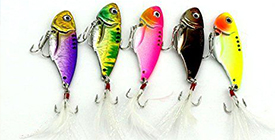
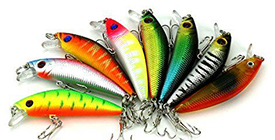
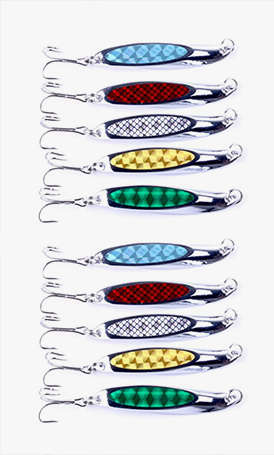
First off, let’s talk versatility. Hard baits come in more flavors than a Ben & Jerry’s freezer case: crankbaits, jerkbaits, topwaters, spinnerbaits, and Penceil Vib Lures. Each one is designed to mimic specific prey and trigger different reactions from fish.
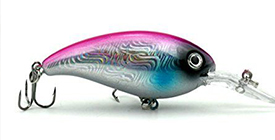
Take crankbaits, for example. A deep-diving crankbait like the Bomber Fat Free Shad can reach depths of 20+ feet, perfect for targeting bass holding near the thermocline in the summer. A shallow-running squarebill, on the other hand, is ideal for crashing through thick cover without getting snagged.
Then there’s topwaters—nothing beats the adrenaline rush of seeing a bass erupt from the surface to grab your lure. On a calm morning at Lake of the Ozarks in Missouri, I once caught 8 bass in an hour on a Zara Spook—each strike more heart-pounding than the last. The key is to use a "walk-the-dog" retrieve, making the lure dart back and forth like a dying shad.
Real-World Numbers & Failures
Now, let’s get real. I’ve had my fair share of failures with hard baits too. Last fall on Michigan’s Lake St. Clair, I spent 4 hours casting a jerkbait in 58°F water—water temp I’d previously had success with—and didn’t catch a single fish. Turns out the bass had moved into deeper water to chase shad schools instead of staying in the shallows chasing baitfish near the shoreline.
I also learned that water clarity plays a huge role in hard bait success. In clear water, natural colors like shad or crawfish work best, while in murky water, bright colors like chartreuse or red get more attention. Time of day matters too—topwaters are usually most effective at dawn and dusk, while crankbaits and jerkbaits work well throughout the day.
Here’s a little data from my logbook over the years:
- At Lake Lanier in Georgia, when water temp is between 65-72°F, jerkbaits like the Rapala X-Rap are 3x more effective than soft plastics.
- In the spring on Lake Havasu in Arizona, I catch 20-30% more bass on squarebill crankbaits near rocky shorelines than any other lure.
- During the summer on Lake Okeechobee in Florida, deep-diving crankbaits account for 60% of my catch when fishing the lake’s famous grass beds.
Penceil Vib Lures: A Game-Changer
Alright, folks. Let’s talk about one hard bait that’s been turning heads in the fishing world lately—Penceil Vib Lures. Last year, I was skeptical when a buddy told me about them. "Another fancy new lure," I thought, "probably just a gimmick." Boy, was I wrong.
I tested them on Lake Erie in Ohio last June, targeting walleye in 30-40 feet of water. The first cast, I had a 5-pound walleye on the line before I even finished my retrieve. Over the next 4 hours, we caught 15 walleye—all on the same Penceil Vib Lure. The unique vibration it emits cuts through the water like a hot knife through butter, attracting fish from 50 feet away. And its compact size makes it perfect for tight spaces near docks or submerged trees.
It’s also incredibly versatile. I’ve used it for bass, walleye, pike, and even saltwater species like redfish in Texas. If you’re looking for a hard bait that can do it all, this is the one. Trust me, I don’t say that lightly.
Saltwater Systems: Hard Baits for the Big Ones
When most people think of hard baits, they think of freshwater fishing. But hard baits are just as effective in saltwater too—especially if you’re using the right Saltwater Systems. Last spring, I took my boat out to the Texas Gulf Coast to target redfish and speckled trout.
On the first day, I tried my usual soft plastics and only caught a few small trout. That’s when I remembered my buddy telling me about Rapala Skitter Walks—a topwater hard bait specifically designed for saltwater fish. Two casts later? Wham. A 28-inch redfish slammed it, nearly yanking the rod out of my hand. In the next 6 hours, we caught 8 redfish and 12 trout—all on that same Skitter Walk.
What makes saltwater hard baits different? They’re built to withstand the corrosive effects of saltwater, with stainless steel hooks and rust-resistant hardware. They also mimic the specific prey species found in saltwater—like mullet, shrimp, and minnows. So if you’re thinking about trying your hand at saltwater fishing, don’t overlook hard baits.
Common Mistakes to Avoid
Final Thoughts & A Quick Tip
Look, hard baits aren’t a magic bullet. They won’t catch you fish every time, and you’re still going to have days where nothing works. But in my experience, they’re one of the most consistent and effective types of lures out there—especially if you’re willing to put in the time to learn how to use them properly.
Here’s my actionable tip: Next time you’re out on the water, try experimenting with different retrieve speeds on your hard bait. Start slow, then gradually speed up. You’d be surprised at how many fish will strike when you change things up.
Thanks for reading, folks. Now go out there and catch some fish!


