





Let me tell you about the day I almost gave up on popper lures entirely. It was a sweltering August morning on Lake Okeechobee—the kind of heat that hits you like a brick wall when you step out of the truck, with humidity so thick you can barely see the other side of the boat launch. My buddy Jake and I had been fishing together since we were teenagers in Texas, and we’d driven all night to get to Florida for the summer bass run. We’d heard poppers were the way to go for topwater action, so we’d loaded up our tackle boxes with every color and size we could find at the local bait shop.
We hit the water around 6:30 a.m., just as the sun was peeking over the cypress trees, casting our poppers toward the thick beds of lily pads along the shoreline. We worked them slow—long pauses followed by sharp twitches—exactly how we’d been taught. But after three hours of nothing but a few nips from bluegills and a whole lot of frustration, I was ready to switch to my trusty plastic worms and call it a day. Jake, ever the optimist, convinced me to give it one more hour. “Just change your retrieve speed a little,” he said. “Maybe they want it faster today.”
I adjusted my technique, reeling in the popper with quick, short pulls and barely any pause. Within minutes, the water exploded beside the boat—I’d hooked a 4.8-pound largemouth bass that fought like a freight train. It was the first of six we caught that morning, and by the time we headed back to shore, I was a believer again. That day taught me that popper lures aren’t one-size-fits-all—you have to understand how to use them, and why they work, to really unlock their potential.
What Are Popper Lures, Anyway?
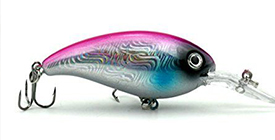
First off, let’s get the basics out of the way. Popper lures are a type of topwater bait designed to mimic injured baitfish or insects struggling on the surface. They’re made from hard plastic, usually with a hollowed-out mouth that creates a loud popping or gurgling sound when you jerk them. That sound and the commotion they make on the water are what attracts fish—they trigger a predatory instinct, making bass, trout, and other game fish think an easy meal is just waiting to be snapped up.
Here are a few key features to look for in a good popper lure:
- Durable plastic construction that can withstand hard strikes
- Sharp, high-quality hooks that won’t bend or break
- A wide, cupped mouth to create maximum noise and splash
- Balanced weight distribution for long, accurate casts
- Realistic colors that match the local baitfish
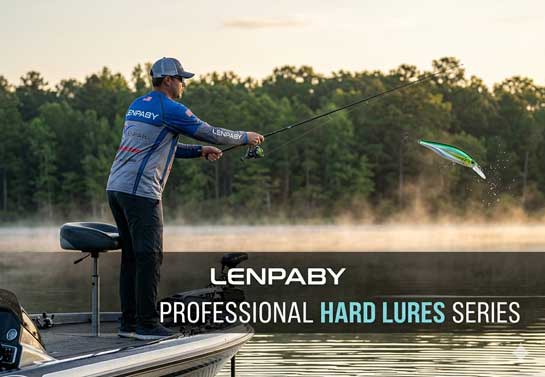
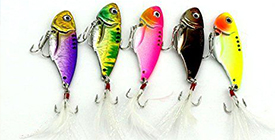
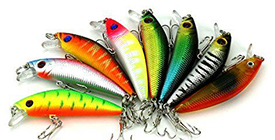
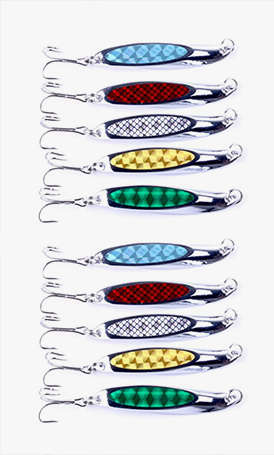
At LENPABY, we’ve been designing and testing Metal Lures for over a decade, and let me tell you—our poppers are some of the best on the market. We use only the highest-quality materials and incorporate feedback from professional anglers like me to ensure each lure is perfectly balanced and effective in a variety of conditions. Whether you’re fishing for bass in a Texas reservoir or trout in a mountain stream, our poppers are sure to get the job done.
Where Popper Lures Shine
Over my 20 years of fishing, I’ve found that popper lures are most effective in certain situations and environments. Let’s break them down:
Shallow, Vegetated Water—Bass love to hide in thick vegetation like lily pads, hydrilla, and reeds, especially when the water temperature is between 68°F and 75°F. The commotion from a popper will draw them out of their hiding spots and trigger aggressive strikes. Some of my favorite spots for this type of fishing include Lake Texoma in Texas/Oklahoma and Lake Michigan’s southern shore near Indiana.
Early Morning and Late Evening—Topwater action is almost always better when the sun is low on the horizon, which is when most baitfish are near the surface. I’ve had the most success between 5:30 a.m. and 8:00 a.m., and again from 6:00 p.m. to 8:30 p.m., depending on the time of year. In the spring, when the water is cooler, the evening bite tends to be stronger, while in the summer, the early morning bite is hard to beat.
Overcast or Rainy Weather—Cloud cover reduces the sun’s intensity, which makes bass more comfortable feeding near the surface. A heavy rain can also create turbulence in the water, masking any unnatural sounds from your popper and making it harder for fish to see your line. The next time you see dark clouds rolling in, grab your popper and head to the water—you might just have your best day of fishing yet.
Techniques for Fishing with Poppers
Now that you know where to use poppers, let’s talk about how to use them. The key to success with poppers is to vary your retrieve until you find what the fish are responding to. Here are a few techniques I’ve honed over the years that work well in most situations:
Slow and Steady
The classic popper retrieve is slow and steady, with long pauses between twitches. Cast your popper near a structure like a fallen tree or dock, let it sit for 3-5 seconds, then give it a sharp jerk of about 12 inches. Wait another 3-5 seconds, then repeat. This technique mimics an injured baitfish that’s struggling to swim, which is hard for bass to resist. I use this method most often when the water temperature is cooler (below 65°F) or when the fish are feeding more slowly.
Quick and Erratic
On hotter days (water temperature above 75°F) or when the fish are actively feeding on the surface, a quick, erratic retrieve can be more effective. Cast your popper out, then reel it in quickly with short, sharp jerks, pausing only for a second or two between pulls. This creates a lot of noise and commotion, which will attract bass from a larger area. I used this method on that August morning on Lake Okeechobee, and it made all the difference.
The “Walk-the-Dog” Technique
Choosing the Right Popper for the Job
Not all poppers are created equal, and choosing the right one can mean the difference between a successful day on the water and a frustrating one. Here are a few things to consider when selecting a popper lure:
Size
The size of your popper should match the size of the local baitfish. If you’re fishing for small bass or panfish, a 1.5-inch popper will work well. For larger bass or striped bass, you’ll want to use a popper that’s 2.5-3.5 inches long. I always keep a few different sizes in my tackle box, so I can switch them out depending on what’s working that day.
Color
Like most lures, the color of your popper should match the water conditions. On clear days with calm water, use natural colors like silver, white, or brown that mimic baitfish. On cloudy days or in murky water, brighter colors like chartreuse, orange, or red will be more visible to fish. I also like to use poppers with a contrasting belly color, like black or red, which makes them more visible from below. Some of my favorite popper colors include the LENPABY Popper in “Bass Magic” (a combination of green pumpkin and black) and “Fire Tiger” (orange and yellow with black stripes).
Sound
The loudness of your popper’s popping sound can also affect its effectiveness. If you’re fishing in calm, clear water, a quieter popper will be less likely to spook the fish. In windy or murky water, a louder popper will be more effective, as the sound will carry further. I always test my poppers before I head out on the water to make sure they’re making the right sound for the conditions.
Common Mistakes to Avoid
No matter how experienced you are with poppers, there are a few common mistakes that can reduce your chances of catching fish. Here are some things I’ve learned to avoid over the years:
Reeling in Too Fast—This is one of the most common mistakes beginners make with poppers. If you reel in too fast, the popper won’t have time to create a popping sound, and it will move too quickly across the surface, which can make it look unnatural. Remember to pause between twitches and let the popper sit for a few seconds after each pull.
Using the Wrong Equipment—Popper lures work best with a medium-heavy to heavy action rod and a 12-17 pound monofilament or fluorocarbon line. Using a rod that’s too light will make it hard to set the hook when a bass hits your lure, while using a line that’s too heavy can make your popper’s action look stiff and unnatural. I recommend using a 7-foot medium-heavy rod with a fast action tip and 14-pound fluorocarbon line for most popper fishing situations.
Fishing in the Wrong Conditions—While poppers can be effective in a variety of situations, there are some conditions where they’re not the best choice. For example, if the water temperature is below 50°F or above 85°F, bass will be less likely to feed on the surface. In these cases, you’re better off using a deep-water lure like a crankbait or plastic worm.
Why LENPABY Poppers Stand Out
I’ve fished with poppers from almost every major tackle brand over the years, and I can honestly say that LENPABY’s poppers are some of the best I’ve ever used. Here are a few reasons why:
High-Quality Materials
LENPABY uses only the highest-quality materials to make their poppers, including durable ABS plastic and sharp, Japanese-engineered hooks. These lures are built to last—they can withstand hard strikes from big bass and won’t crack or break easily.
Realistic Design
Each LENPABY popper is designed to look and act like a real baitfish. They have a natural swimming motion, and the hollowed-out mouth creates a loud, realistic popping sound that attracts fish from a distance. The colors and patterns are also carefully selected to match the local baitfish in different regions of the US.
Versatility
LENPABY poppers are available in a variety of sizes and colors, which makes them suitable for fishing in almost any situation. Whether you’re targeting smallmouth bass in a rocky stream in Colorado or largemouth bass in a Florida lake, there’s a LENPABY popper that will work for you.
At LENPABY, we’re passionate about Bass Fishing and committed to providing anglers with high-quality lures that help them catch more fish. Our poppers are no exception—they’re designed to be effective, durable, and easy to use, making them perfect for both beginners and experienced anglers alike.
Final Thoughts
Popper lures are a versatile and effective tool for catching bass, trout, and other game fish. Whether you’re fishing in shallow, vegetated water in the early morning or targeting big bass with the walk-the-dog technique on a calm lake, poppers are sure to get the job done. The key to success with poppers is to understand how they work, where to use them, and how to vary your retrieve to match the fish’s feeding behavior.
Actionable Tip: The next time you’re fishing with a popper, try adding a small piece of live bait (like a minnow or worm) to the hook. This can make your popper look more realistic and increase your chances of catching fish, especially on days when the bite is slow.


