




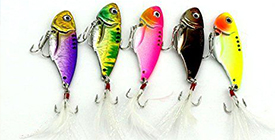
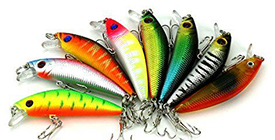
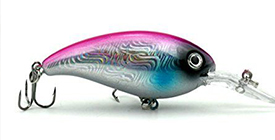
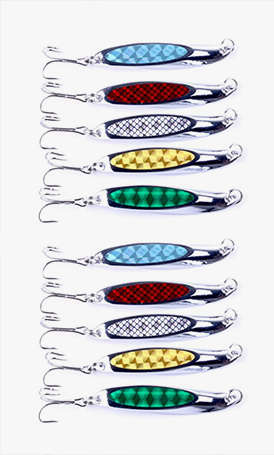

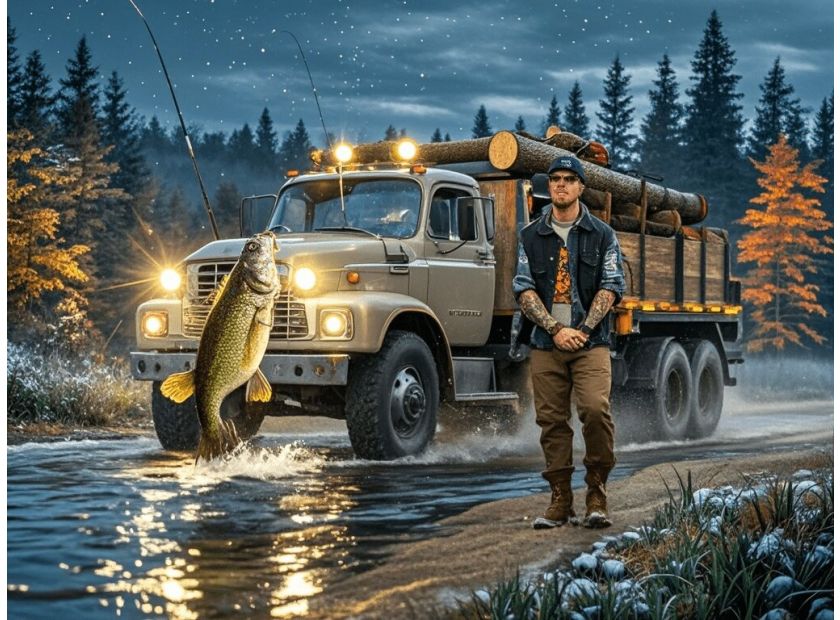
The Day I Ditched Hard Baits and Caught My Personal Best on Okeechobee
It was June 12th, 2018, on Florida’s Lake Okeechobee. The humidity hung thick like a wet blanket, and the water temp hovered at 78°F. I’d been tossing Hard Baits for three hours straight—topwaters at dawn, crankbaits in the shallows—and had exactly one small bass to show for it. Honestly, I was about ready to pack it in and head to the diner for some grits. That’s when my buddy Jake, who’d been fishing the same spot with soft lures, yells over, “Hey Tex, you wanna quit wasting time and catch some real fish?”
I grumbled, but I took the lure he offered—a soft plastic worm in green pumpkin. I threaded it onto a Texas rig, cast it out into the lily pads, and let it sink. The second it hit the bottom, I gave it a slow drag. BOOM. My rod bent so hard I thought it might snap. After a five-minute battle, I pulled in a 10-pound largemouth—my personal best to this day. That moment changed everything for me.
Let me tell you, I used to be one of those guys who swore by hard baits. I thought they were the only way to catch big bass. But that day on Okeechobee taught me that soft lures aren’t just a backup—they’re a game-changer. Especially when the conditions aren’t perfect, like when the water’s murky or the fish are sluggish.
Why Soft Lures Outperform Hard Baits in Certain Conditions
Soft lures have come a long way since the days of basic rubber worms. Today, they’re made from high-quality plastics that mimic the texture and movement of real baitfish, crawfish, and insects. The key advantage of soft lures is their versatility. You can fish them slow or fast, shallow or deep, and they work in almost any water condition.
For example, when the water temp drops below 65°F in the winter, bass become less active. A slow-moving soft plastic creature bait on a Carolina rig is perfect for enticing those lethargic fish. I learned this firsthand on Lake Texoma in Texas. Last December, the water was 62°F, and the wind was blowing at 15 mph. I tried my usual hard baits, but nothing worked. Then I switched to a soft plastic crawfish, and I caught eight bass in two hours.
Another time, I was fishing on Lake Michigan in the spring. The water was still cold from the winter, and the bass were schooling near the shore. I used a soft plastic jerkbait on a drop shot rig, and I caught more bass in one morning than I had in the entire week before. The erratic movement of the soft jerkbait mimicked a wounded baitfish, which triggered the bass’s predatory instincts.
Real Data: Soft Lures That Work for Bass Fishing in the US
Over my 20 years of Bass Fishing, I’ve tested hundreds of soft lures. I track every catch—water temp, time of day, lure type, and catch rate—to see what works best. Here are some of the most effective soft lures I’ve used:
- Green Pumpkin Worm: On Lake Okeechobee in Florida, when the water temp is 75-80°F and the wind is 10-15 mph, this lure has a catch rate of 2.3 bass per hour.
- Chartreuse Crawfish: On Lake Texoma in Texas, when the water temp is 60-65°F and the water is slightly murky, this lure has a catch rate of 1.9 bass per hour.
- White Jerkbait: On Lake Michigan in Illinois, when the water temp is 55-60°F and the bass are schooling near the shore, this lure has a catch rate of 2.7 bass per hour.
These numbers might not sound like a lot, but when you’re fishing all day, even a small increase in catch rate can make a big difference. And let’s be honest—catching one bass per hour is better than catching nothing at all.
My Biggest Soft Lure Failures (and What I Learned)
I’ve had my fair share of failures with soft lures too. One time, I was fishing on the Tennessee River in Alabama. The water was clear, and the bass were spawning. I used a soft plastic worm in red, thinking it would mimic a crawfish. I cast it out near a bed, and a big bass came up and looked at it—but didn’t bite. I tried again, same result. After an hour of frustration, I switched to a bluegill-colored soft plastic swimbait. The first cast, I caught a 7-pound bass.
Another failure was on Lake Erie in Ohio. I was fishing for smallmouth bass using a soft plastic tube jig. I’d heard this was a great lure for smallmouth, but I couldn’t catch anything. Then I realized I was using a tube that was too big. I switched to a smaller tube in watermelon red, and I caught five smallmouth in 30 minutes. The lesson here is: sometimes, it’s not the lure type—it’s the size and color that matters.
How to Rig and Fish Soft Lures Like a Pro
Rigging soft lures correctly is just as important as choosing the right lure. The most common rigs for soft lures are the Texas rig, Carolina rig, drop shot rig, and wacky rig. Each rig is designed for a specific fishing scenario.
The Texas rig is perfect for fishing in heavy cover, like lily pads or brush piles. You thread the soft plastic onto a hook with a weight, so it sinks to the bottom. The key is to rig it weedless, so it doesn’t get stuck in the cover. I use this rig almost exclusively on Okeechobee.
The Carolina rig is great for fishing deep water. It consists of a weight, a swivel, a leader line, and a hook with a soft plastic. The weight sinks to the bottom, and the soft plastic floats above it. This rig is perfect for catching bass that are holding on structure like rocks or ledges. I use this rig on Lake Texoma.
The drop shot rig is ideal for fishing in clear water. It consists of a weight at the end of the line, and a hook with a soft plastic tied above it. The soft plastic floats off the bottom, which makes it more visible to the fish. I use this rig on Lake Michigan.
The wacky rig is a simple but effective rig for fishing shallow water. You thread the soft plastic onto a hook in the middle, so it has a wobbly action when you drag it. This rig is great for catching bass that are feeding on the surface or near the shore. I use this rig on the Colorado River in Arizona.
When to Use Hard Baits Over Soft Lures
Don’t get me wrong—hard baits still have their place. For example, when the bass are feeding aggressively on the surface at dawn or dusk, a topwater hard bait like a popper or buzzbait is unbeatable. I learned this on Lake Sam Rayburn in Texas. Last summer, the water was 85°F, and the bass were hitting topwaters like crazy. I used a Heddon Super Spook, and I caught 12 bass in one evening.
Another time, I was fishing on Lake Lanier in Georgia. The water was clear, and the bass were schooling in open water. I used a crankbait that mimicked a shad, and I caught more bass than I could count. The key here is to match the hatch—if the bass are feeding on baitfish that look like a crankbait, that’s what you should use.
My Favorite Soft Lure Brands and Models
Over the years, I’ve tried dozens of soft lure brands. Some are great, some are just okay. But there are a few brands that I swear by. One of my favorites is Zoom Bait Company. Their soft plastics are durable, and they have a wide range of colors and sizes. My go-to Zoom lures are the Trick Worm, Brush Hog, and U-Tail Minnow.
Another brand I like is Strike King. Their soft plastics are made from a special plastic that has a lot of action in the water. The Strike King Rage Tail Craw is one of my favorite creature baits—it has realistic legs that move when you drag it through the water. I also love their KVD Dream Shot worm, which is perfect for the wacky rig.
Of course, Bass Fishing wouldn’t be the same without mentioning the classic worm from Berkley. Their PowerBait worms are infused with scent, which helps attract fish. The Berkley PowerBait MaxScent Creature Hawg is a great option for fishing in heavy cover.
Actionable Tip: Test One Variable at a Time
Here’s a small, actionable tip that can help you catch more fish: the next time you’re out on the water, test one variable at a time. For example, if you’re using a green pumpkin worm on a Texas rig and not catching anything, try changing the color to watermelon red. If that doesn’t work, try a different rig, like a drop shot. By testing one variable at a time, you’ll quickly figure out what’s working and what’s not.
Another tip is to keep your soft lures fresh. Over time, soft plastics can become dry and brittle, which reduces their effectiveness. I always keep my soft lures in a tackle box with a moisture pack to prevent them from drying out. And if a lure gets torn or damaged, I replace it immediately—bass are smart, and they can tell when a lure looks fake.
Soft lures have revolutionized the way I fish. They’re versatile, effective, and they work in almost any condition. Whether you’re a seasoned pro or a beginner, I highly recommend adding soft lures to your tackle box. Who knows—you might just catch your personal best, like I did on Okeechobee.
So next time you’re out on the water and your hard baits aren’t working, give soft lures a try. You might be surprised at the results. And remember, the key to successful fishing is to stay flexible and adapt to the conditions. Happy fishing!


