





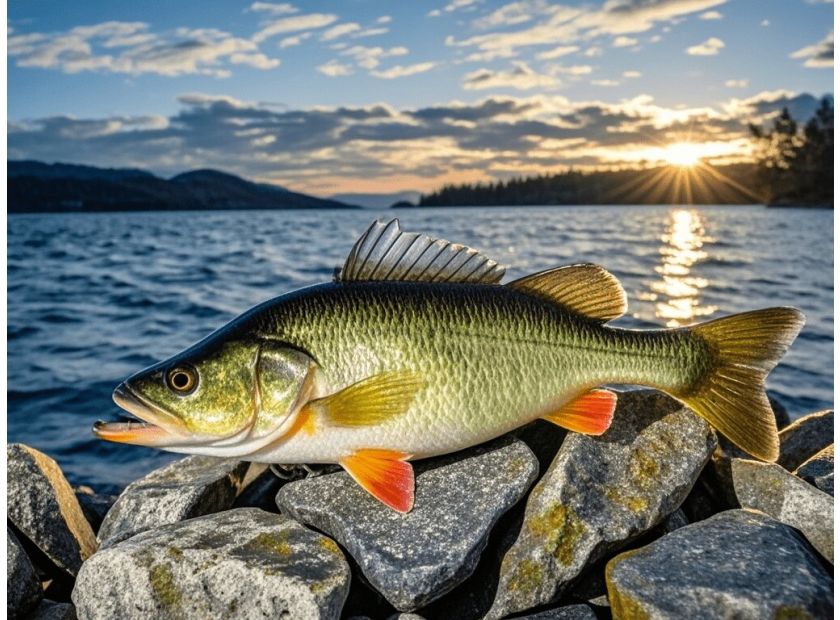
Last October, I was standing waist-deep in Lake Texoma, watching the sun dip below the Red River bluffs, painting the sky in burnt orange and deep purple. The air carried that crisp, cool Texas fall scent—just a hint of wood smoke from nearby campsites. Water temp was steady at 62°F, and I’d been throwing a beat-up Predator Fish Specials crankbait for three hours straight without a single bite. My buddy Jake had called it quits an hour earlier, muttering about the “fish being in a bad mood.” I was about to pack up too, ready to head back to the truck and drown my frustration in a cold beer. Then, I let the crankbait sink just a little deeper, reeling it in with a slow, twitching retrieve. And that’s when it happened—a huge, aggressive strike that nearly pulled me into the lake. I fought that bass for five solid minutes, finally hauling it onto the shore. It weighed in at 8.2 pounds, a personal best for Lake Texoma. That moment taught me something I’d never forget: choosing the right hard bait isn’t just about picking something from a tackle box—it’s about understanding how the fish are feeling that day.
Fishing with hard baits has been my passion for over two decades. I’ve cast them into the murky waters of Lake Okeechobee, the crystal-clear lakes of Michigan, and even the salty swells of the Gulf of Mexico off the coast of Texas. Over the years, I’ve learned that hard baits are one of the most versatile tools in a fisherman’s arsenal. From crankbaits that dive deep to topwater lures that explode on the surface, they can mimic everything from baitfish to crawfish. And when you match the right bait to the right conditions, the results can be absolutely incredible.
What Are Hard Baits, Anyway?
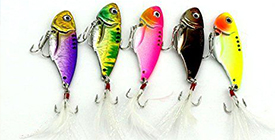
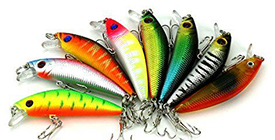
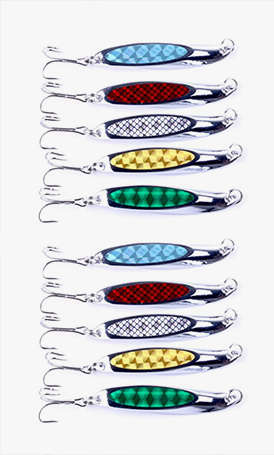
Hard baits are exactly what they sound like—fishing lures made from hard materials like plastic, wood, or metal. Unlike soft plastics, which are flexible and often require a hook to be rigged through them, hard baits are usually one solid piece with hooks already attached. They come in all shapes and sizes, each designed to target specific types of fish and fishing conditions. Some are built to dive deep into the water column, while others skitter along the surface. Some mimic injured baitfish, while others look like crawfish or frogs. The key to success with hard baits is understanding their different types and how to use them effectively.
One of the reasons I love hard baits so much is their durability. I’ve had lures that have been in my tackle box for 10 years and are still catching fish. They can handle the teeth of big bass, the slashing attacks of pike, and even the abrasive bottoms of rocky rivers. And unlike soft plastics, which can tear or wear out after a few uses, hard baits can last for years with just a little maintenance. A quick check of the hooks and a fresh coat of paint every now and then is all they need to stay in top condition.
The Different Types of Hard Baits and When to Use Them
When it comes to hard baits, there’s no “one-size-fits-all” option. Each type has its own unique characteristics and is best suited for specific fishing situations. Let’s break them down into the most common categories:
Crankbaits
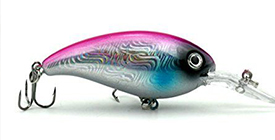
Crankbaits are my go-to hard baits for most situations. They’re designed to dive to a specific depth when retrieved, and they have a wide, wobbling action that mimics a baitfish swimming through the water. I’ve used them successfully on lakes like Lake Okeechobee, where the water is shallow and the bass are feeding on shad near the surface. On deeper lakes like Lake Michigan, I’ll switch to a crankbait that dives to 20 or 30 feet, targeting bass holding near submerged structures like reefs or drop-offs.
One of the keys to using crankbaits effectively is matching the depth of the bait to the depth of the water you’re fishing in. If the water is 10 feet deep, you don’t want a crankbait that dives to 20 feet—it will just get stuck in the mud or rocks. Instead, choose a crankbait with a diving depth of around 5 to 8 feet. And don’t forget about color—on cloudy days or in murky water, I’ll use bright colors like chartreuse or orange. On sunny days or in clear water, natural colors like silver or gold work better.
Topwater Lures
There’s nothing quite like the thrill of a topwater strike. The explosion of water on the surface, the sound of the fish attacking, and the fight that follows—it’s everything I love about fishing. Topwater lures are designed to float on the surface and create a disturbance that attracts fish. They come in all shapes and sizes, from poppers that make a popping sound when you twitch them to buzzbaits that create a loud, buzzing noise as they’re retrieved.
My favorite time to use topwater lures is early in the morning or late in the evening, when the water is calm and the fish are feeding near the surface. I’ve had incredible success with them on rivers like the Brazos River in Texas, where the current is slow and the water is clear. On these days, I’ll use a popper with a natural color like brown or green, casting it near overhanging trees or rocks where bass are likely to hide. The key to a successful topwater retrieve is to keep it slow and steady, with occasional twitches to create a disturbance.
Jerkbaits
Jerkbaits are another type of hard bait that I use regularly. They’re designed to mimic an injured baitfish, with a darting, erratic action. I’ve had the most success with jerkbaits in cold water conditions, when the fish are less active and more likely to strike at something that looks easy to catch. I’ll use them on lakes like Lake Texoma in the winter, when the water temp is around 50°F. On these days, I’ll cast the jerkbait out and let it sink to the bottom, then give it a series of short, sharp jerks to make it dart around. The key to using jerkbaits effectively is to keep the retrieve slow and erratic.
Swimbaits
Swimbaits are one of the newer types of hard baits on the market, but they’ve quickly become one of my favorites. They’re designed to mimic a real baitfish, with a realistic swimming action that’s almost impossible for fish to resist. I’ve used them successfully on lakes like Lake Okeechobee, where the bass are feeding on shad. On these days, I’ll use a swimbait that looks exactly like the shad in the water, casting it near weed beds or submerged structures where bass are likely to hide. The key to using swimbaits effectively is to keep the retrieve slow and steady, matching the speed of the bait to the speed of the shad.
How to Choose the Right Hard Bait for the Job
Choosing the right hard bait can be a daunting task, especially if you’re new to fishing. With so many different types, shapes, and sizes available, it’s easy to get overwhelmed. But don’t worry—I’m here to help. The key to choosing the right hard bait is to consider three main factors: the type of fish you’re targeting, the fishing conditions, and the time of day.
Let’s start with the type of fish. If you’re targeting bass, you’ll want to use a hard bait that mimics their favorite food—like shad, crawfish, or frogs. If you’re targeting pike or musky, you’ll want to use a larger hard bait with a realistic swimming action. And if you’re targeting saltwater fish like redfish or snook, you’ll want to use a hard bait that mimics baitfish like mullet or menhaden. Saltwater Systems can help you choose the right saltwater hard baits for your needs, with a wide selection of lures designed for different types of saltwater fishing.
Next, consider the fishing conditions. If the water is calm and clear, you’ll want to use a hard bait with a natural color and a subtle action. If the water is murky or choppy, you’ll want to use a bright color and a more aggressive action. And if the water is cold, you’ll want to use a hard bait with a slow, erratic action that mimics an injured baitfish.
My Favorite Hard Bait Techniques
Over the years, I’ve developed a few go-to techniques for fishing with hard baits. Let me share them with you:
Crankbait Technique: The “Stop-and-Go” Retrieve
One of my favorite techniques for fishing with crankbaits is the “stop-and-go” retrieve. It’s simple but incredibly effective. Here’s how it works: cast the crankbait out and let it sink to the desired depth, then reel it in with a steady retrieve for a few seconds. Then, stop the retrieve completely for a second or two, letting the bait sink a little deeper. Then, start reeling again with a steady retrieve. This technique mimics a baitfish that’s swimming along, then suddenly stops to rest. It’s a great way to attract bass that are feeding on shad or other baitfish.
I’ve used this technique successfully on lakes like Lake Okeechobee, where the water is shallow and the bass are feeding near the surface. On these days, I’ll use a crankbait with a diving depth of around 5 to 8 feet, casting it near weed beds or submerged structures. The “stop-and-go” retrieve creates a disturbance that attracts bass, and the sudden stop often triggers an aggressive strike.
Topwater Technique: The “Walk-the-Dog” Retrieve
The “walk-the-dog” retrieve is another technique that I use regularly with topwater lures. It’s a bit more advanced than the “stop-and-go” retrieve, but once you get the hang of it, it can be incredibly effective. Here’s how it works: cast the topwater lure out and let it settle on the surface, then use your wrist to twitch the rod tip back and forth, making the lure swim in a zig-zag pattern. This technique mimics a baitfish that’s darting around on the surface, trying to escape from a predator.
I’ve had incredible success with this technique on rivers like the Brazos River in Texas, where the current is slow and the water is clear. On these days, I’ll use a topwater lure with a natural color like brown or green, casting it near overhanging trees or rocks. The “walk-the-dog” retrieve creates a disturbance that attracts bass, and the zig-zag pattern often triggers an aggressive strike.
The Gear You Need for Hard Bait Fishing
Using the right gear is just as important as choosing the right hard bait. Here are a few things you’ll need:
- Rods: I recommend using a medium-heavy to heavy-action rod for most hard bait fishing. If you’re fishing with crankbaits or topwater lures, a medium-action rod is usually sufficient. If you’re fishing with jerkbaits or swimbaits, a heavy-action rod will give you more control over the bait and help you set the hook better.
- Reels: I prefer using a baitcasting reel for most hard bait fishing. Baitcasting reels give you more control over the bait, allowing you to cast it more accurately and retrieve it with more precision. If you’re new to fishing, you might want to start with a spinning reel, which is easier to use.
- Line: The type of line you use will depend on the type of hard bait you’re using. If you’re fishing with crankbaits or topwater lures, you’ll want to use a monofilament or fluorocarbon line with a test weight of around 10 to 15 pounds. If you’re fishing with jerkbaits or swimbaits, you’ll want to use a braided line with a test weight of around 20 to 30 pounds.
- Hooks: Most hard baits come with hooks already attached, but it’s important to check them regularly to make sure they’re sharp. A dull hook can mean the difference between catching a fish and losing it. If the hooks on your hard bait are dull, you can sharpen them with a hook sharpener or replace them with new hooks.
Common Mistakes to Avoid When Fishing with Hard Baits
Even the most experienced fishermen make mistakes from time to time. Here are a few common mistakes to avoid when fishing with hard baits:
- Using the Wrong Bait: One of the most common mistakes fishermen make is using the wrong hard bait for the conditions. If the water is cold, you don’t want to use a topwater lure—you’ll have more success with a jerkbait or a crankbait that dives deep. If the water is murky, you don’t want to use a natural color—you’ll want to use a bright color like chartreuse or orange.
- Retrieving the Bait Too Fast: Another common mistake is retrieving the hard bait too fast. Fish are less likely to strike at something that’s moving too quickly. Instead, keep the retrieve slow and steady, with occasional twitches to create a disturbance.
- Not Paying Attention to the Weather: The weather can have a huge impact on fishing. If it’s raining or the wind is blowing hard, the fish are less likely to be active. Instead, try fishing on a calm day when the sun is shining.
- Not Setting the Hook Properly: Setting the hook properly is one of the most important things you’ll learn as a fisherman. If you don’t set the hook properly, you’ll lose the fish. To set the hook, use a quick, sharp jerk of the rod tip as soon as you feel a bite.
Real-Life Fishing Stories with Hard Baits
Let me share a few more of my favorite fishing stories with hard baits. These stories will show you how effective hard baits can be when used correctly.
A few years ago, I was fishing on Lake Okeechobee in Florida. The water temp was around 75°F, and the sun was shining bright. I was using a Predator Fish Specials crankbait with a diving depth of around 10 feet, casting it near a large weed bed. On my third cast, I felt a sharp tug on the line. I set the hook and started reeling, and within a few minutes, I had a 7-pound bass on the shore. I was absolutely thrilled—it was one of the biggest bass I’d ever caught on Lake Okeechobee.
Another time, I was fishing on the Gulf of Mexico off the coast of Texas. The water was choppy, and the wind was blowing hard. I was using a Saltwater Systems swimbait with a natural color like silver, casting it near a submerged reef. On my fifth cast, I felt a strong tug on the line. I set the hook and started reeling, and within a few minutes, I had a 10-pound redfish on the boat. It was a beautiful fish with a bright red color, and I was so proud of myself.
Last spring, I was fishing on the Brazos River in Texas. The water temp was around 65°F, and the sun was just starting to rise. I was using a topwater popper with a natural color like brown, casting it near overhanging trees. On my second cast, I heard a loud explosion on the surface, and the line went tight. I set the hook and started reeling, and within a few minutes, I had a 5-pound bass on the shore. It was an incredible feeling, and I’ll never forget the sound of that strike.
Final Thoughts
Hard baits are one of the most versatile tools in a fisherman’s arsenal. From crankbaits that dive deep to topwater lures that explode on the surface, they can mimic everything from baitfish to crawfish. And when you match the right bait to the right conditions, the results can be absolutely incredible. Whether you’re a beginner or an experienced fisherman, I highly recommend adding hard baits to your tackle box.
So, what’s my secret? It’s simple—do your research, experiment with different types of hard baits, and don’t be afraid to fail. The more you fish, the more you’ll learn. And the more you learn, the more successful you’ll be. So grab your tackle box, head out to your favorite fishing spot, and see what you can catch with hard baits. You might be surprised at the results.
And don’t forget to check out Predator Fish Specials and Saltwater


