




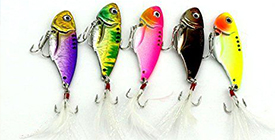
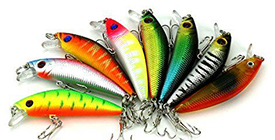
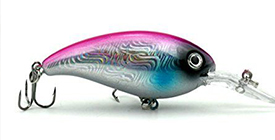
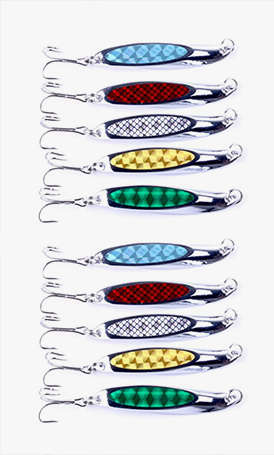

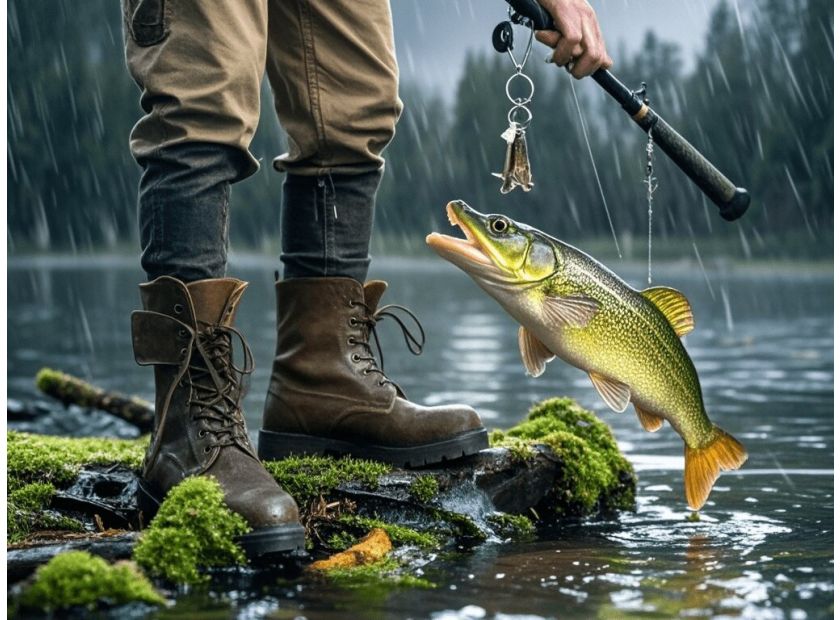
Honest to goodness, I’ll never forget that morning on Lake Okeechobee back in early March 2021. The sky was the softest pink you ever did see, and a light breeze barely stirred the surface of the water—perfect conditions for chasing those big largemouth bass that call the lake home. I’d been up before the sun, sipping strong black coffee from my beat-up stainless steel mug, as I prepped my tackle box for the day. The water temp that morning was holding steady at 68°F, which meant the bass were starting to wake up from their winter slumber and get active again. I reached for my trusted Frog Lures, lacing them through the thick strands of my fishing line with care, my calloused fingers moving quickly from years of practice.
Why Soft Plastics Are a Fisherman’s Best Friend in the US
Let me tell you, I’ve been fishing all over this great country for the last 20 years. From the icy cold depths of Lake Michigan in the early spring to the warm, brackish waters of the Texas Gulf Coast in the summer, I’ve tried just about every type of lure you can imagine—hard baits, spinnerbaits, jigs, you name it. But time and time again, I keep coming back to soft plastics. There’s just something about their versatility and natural feel that makes them irresistible to fish. They come in all shapes, sizes, and colors, from lively worms and grubs to lifelike shads and crawfish, which means you can mimic just about any prey item that’s swimming around in the water you’re fishing. And because they’re soft and flexible, they move with the current and the slightest twitch of your rod, creating a realistic action that even the most cautious fish can’t help but strike at.
Over the years, I’ve learned that different parts of the US require different soft plastics. For example, when I’m fishing for bass in Lake Texoma on a warm summer morning, I’ll reach for a soft plastic worm rigged Texas-style with a heavy weight, because the bass tend to be hiding in the thick aquatic vegetation that lines the lake’s shore. The worm’s natural movement through the grass is enough to trigger a strike. But when I’m fishing for walleye in Lake Erie in the fall, I’ll use a soft plastic shad rigged with a light jighead, because the walleye are feeding on small schools of shad that are swimming in the open water. The shad’s lifelike swimming action is perfect for fooling those hungry predators.
Chasing Bass on a Windy Afternoon at Lake Fork
Speaking of versatility, let me share another story with you. It was a warm summer afternoon in Texas, and I was fishing on Lake Fork with my buddy Jake. The wind was whipping across the lake, creating white caps that made it difficult to see anything more than a few feet in front of us. The water temp was 78°F, and the bass were probably hiding in the deep structure to get away from the rough surface conditions. We had been fishing for about two hours without a single bite, and I was starting to get a little frustrated. Jake suggested that we try switching to soft plastics, and I figured it was worth a shot. I tied on a soft plastic crawfish rigged with a heavy jighead, while Jake went with a soft plastic worm rigged Carolina-style.
We cast our lines out into the choppy water, letting the lures sink to the bottom before slowly dragging them across the rocky substrate. Within a few minutes, I felt a sharp tap on my line—followed by a powerful strike that nearly pulled my rod out of my hands. I set the hook hard, and after a few tense minutes of fighting, I pulled a beautiful 5-pound largemouth bass out of the water. Jake followed suit a little while later, catching a 4-pound bass of his own. We ended up catching a total of six bass that afternoon, all on soft plastics. That experience taught me that even in the roughest conditions, soft plastics can help you land a big catch.
Lessons Learned from a Failed Trip on the Mississippi River
Now, I know I’ve been talking about all the times I’ve succeeded with soft plastics, but I’d be lying if I said every trip was a winner. Let me share a failure story with you to keep things honest. It was a cool spring morning in Minnesota, and I was fishing on the Mississippi River near Minneapolis. The water temp was 55°F, and the current was moving fast. I had heard that the walleye were biting well in that area, so I decided to try my luck. I reached for my favorite soft plastic shad, rigged it with a light jighead, and cast it out into the current. I let the lure sink to the bottom before slowly dragging it across the riverbed, feeling for any bumps or taps that might indicate a bite.
I fished for hours that morning without a single nibble. The river was crowded with other anglers, many of whom were catching walleye left and right using hard baits like crankbaits and spoons. I was starting to get discouraged, wondering why my soft plastics weren’t working. After I called it quits for the day, I stopped by the local bait shop to ask the owner for some advice. He told me that on cold, fast-moving rivers like the Mississippi in the spring, hard baits are usually more effective because they create a lot of noise and vibration that can attract fish from a distance. The soft plastics I was using, on the other hand, were too subtle for the conditions. I learned a valuable lesson that day—always pay attention to the water temp, current speed, and weather conditions before choosing your lure.
Soft Plastics in Action in Saltwater Environments
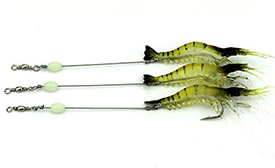
While I spend most of my time fishing in freshwater lakes and rivers across the US, I do love heading out to the Texas Gulf Coast from time to time to try my hand at saltwater fishing. And let me tell you, soft plastics work just as well in saltwater as they do in freshwater—if not better. The salty, brackish waters of the coast are home to a wide variety of fish, from redfish and snook to trout and flounder, and soft plastics are perfect for mimicking their favorite prey items like shrimp, crabs, and small baitfish.
One of my most memorable saltwater fishing trips was a few summers ago when I went out to Galveston Bay with my buddy Mike. The water temp was 82°F, and the wind was light, creating a calm, glass-like surface. We decided to use Saltwater Systems to help us find the best spots, and within a few minutes, the GPS was leading us to an area with a lot of submerged structure—perfect for attracting fish. Mike reached for a soft plastic shrimp rigged with a light jighead, while I went with a soft plastic crab rigged Texas-style to keep it from getting snagged on the structure.
We cast our lines out near the structure, letting the lures sink to the bottom before slowly dragging them across the sandy substrate. Within a few minutes, Mike felt a sharp tap on his line—followed by a powerful strike that bent his rod almost in half. He set the hook hard, and after a few tense minutes of fighting, he pulled a beautiful 30-inch redfish out of the water. I caught a nice 28-inch redfish a little while later, along with a few trout and flounder. We ended up catching a total of 12 fish that day, all on soft plastics. That trip reinforced my belief that soft plastics are a must-have in any saltwater angler’s tackle box.
Warm Water Soft Plastics for Bass on Lake Okeechobee
Another spot where soft plastics truly shine is back on Lake Okeechobee in Florida during the summer months. The lake is known for its thick, floating vegetation, which can make it difficult to fish with traditional hard baits without getting snagged. But soft plastics like Frog Lures are designed to float on top of the water, allowing you to fish them over the thick vegetation without getting stuck. On a particularly hot day last summer, I decided to give them a try.
It was mid-afternoon, and the sun was beating down on me like a hammer. The water temp was 92°F, and the air was so thick and humid that I could barely breathe. I cast my Frog Lures out into the thick lily pads that were floating on the surface, letting it sit for a few seconds before slowly reeling it in with a series of short twitches. It didn’t take long before I felt a massive strike—so powerful that it launched the frog into the air and sent water splashing all over me. I set the hook hard, and after a few minutes of fighting, I pulled a beautiful 7-pound largemouth bass out of the water. The frog had been so realistic that the bass didn’t even realize it was a fake until it was too late.
Honest to goodness, I fished for the rest of the afternoon using nothing but Frog Lures, catching a total of eight bass ranging from 3 to 7 pounds. It was one of the most productive fishing trips I’ve ever had on Lake Okeechobee, and it all happened because I chose the right soft plastic for the conditions. If you ever find yourself fishing in thick vegetation like lily pads or hydrilla, I highly recommend giving Frog Lures a try—you won’t be disappointed.
Soft Plastics That Every Angler Should Have in Their Tackle Box
Now that I’ve shared some of my favorite stories about using soft plastics across the US, let’s talk about some of the must-have types that every angler should have in their tackle box:
- Worms: Classic soft plastic worms are perfect for fishing in just about any freshwater environment, from lakes and rivers to ponds and streams. They’re available in all shapes, sizes, and colors, and they can be rigged in a variety of ways, including Texas-style, Carolina-style, and wacky-style.
- Grubs: Soft plastic grubs are great for fishing in both freshwater and saltwater environments. They’re small and compact, which makes them perfect for catching smaller fish like bluegill and crappie, but they can also be effective for catching larger fish like bass and walleye when rigged with a heavier jighead.
- Shads: Soft plastic shads are lifelike imitations of small baitfish, which makes them perfect for catching predatory fish like bass, walleye, and trout. They’re available in a wide range of colors and sizes, and they can be rigged with a jighead, spinnerbait, or crankbait.
- Crawfish: Soft plastic crawfish are perfect for fishing in freshwater environments where bass and other fish feed on crawfish. They’re available in a variety of colors and sizes, and they can be rigged with a jighead or Texas-style to keep them from getting snagged on rocks or vegetation.
Of course, this list is just a starting point. There are many other types of soft plastics available on the market today, each designed for specific fishing conditions and target species. The key is to experiment with different types and find the ones that work best for you in the waters you’re fishing. Over time, you’ll develop your own favorite soft plastics and rigging techniques that will help you land more fish.
Top Rigging Techniques for Soft Plastics
Now that we’ve covered the types of soft plastics you should have in your tackle box, let’s talk about some of the most popular rigging techniques:
- Texas Rig: The Texas rig is one of the most popular rigging techniques for soft plastics. It involves rigging a hook and weight through the head of the soft plastic, which makes it weedless and perfect for fishing in thick vegetation.
- Carolina Rig: The Carolina rig is another popular technique that’s great for fishing in deep water. It involves rigging a hook and weight with a leader line, which allows the soft plastic to move freely with the current.
- Jig Head Rig: The jig head rig is a simple but effective technique that involves rigging a soft plastic with a jighead. It’s perfect for fishing in both freshwater and saltwater environments, and it can be used to target a wide range of fish species.
- Wacky Rig: The wacky rig is a popular technique for fishing with soft plastic worms. It involves rigging the worm through the middle with a small hook, which creates a natural, wobbling action when it’s dragged through the water.
Again, this list is just a starting point. There are many other rigging techniques available, and the key is to experiment with different ones to find the ones that work best for you. Over time, you’ll develop your own favorite rigging techniques that will help you land more fish.
Final Thoughts on Soft Plastics
In my opinion, soft plastics are one of the most versatile and effective types of lures available to anglers today. They’re perfect for fishing in just about any freshwater or saltwater environment, and they can be rigged in a variety of ways to mimic just about any prey item that’s swimming around in the water you’re fishing. Whether you’re chasing bass in Lake Okeechobee, walleye in Lake Michigan, or redfish in the Texas Gulf Coast, soft plastics are a must-have in your tackle box.
Honest to goodness, I’ve been fishing for 20 years, and I still learn something new about soft plastics every time I go out on the water. They’re constantly evolving, with new shapes, sizes, colors, and rigging techniques being developed all the time. But one thing that will never change is their effectiveness at catching fish.
So, the next time you’re out on the water, whether it’s a calm morning on a local pond or a rough afternoon on the Gulf Coast, don’t be afraid to reach for your soft plastics. You never know what kind of catch you might land.
An Actionable Tip to Help You Catch More Fish
Now, as promised, here’s a small, actionable tip that will help you catch more fish with soft plastics:
Tip: When fishing with soft plastics, pay close attention to the water temp and adjust your retrieve speed accordingly. Fish are cold-blooded creatures, which means their metabolism slows down in cold water. This means that you should use a slower retrieve speed in cold water to give the fish enough time to strike at your lure. In warm water, on the other hand, fish are more active, so you should use a faster retrieve speed to trigger their predatory instincts. Try this tip the next time you’re out on the water, and you’ll be surprised at how much it increases your chances of landing a big catch.


