




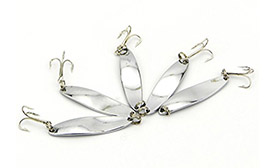
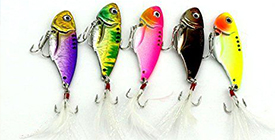
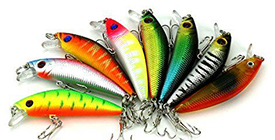
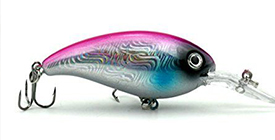
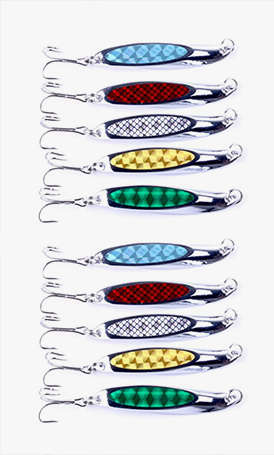

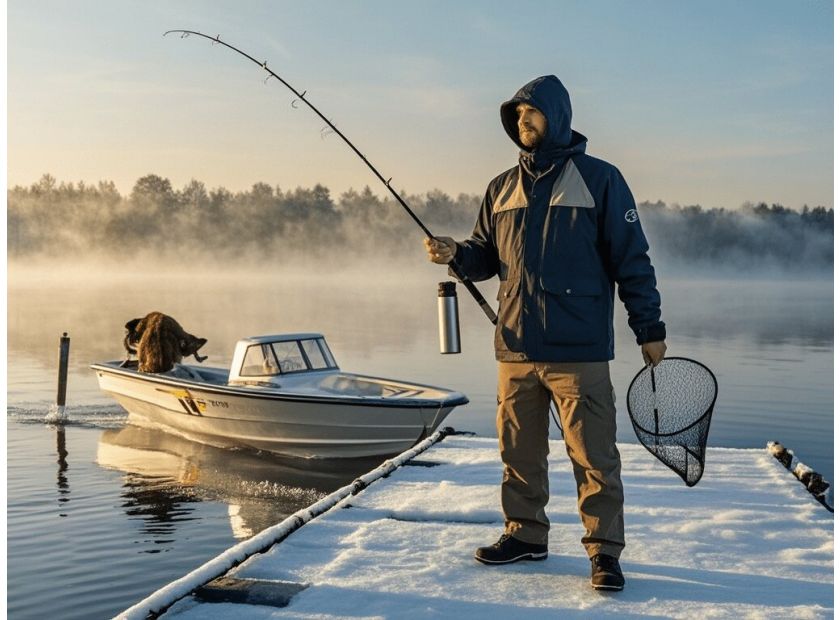
Last October, I was out on Lake Texoma with my buddy Jake, the sky a moody mix of gray and orange as the sun tried to peek through thunderheads. The wind was whipping up whitecaps, and the water temp hovered around 62°F—perfect for chasing those fall bass that were gorging on shad before winter. I’d been tossing Metal Lures all morning—silver spoons, nickel spinners, the whole arsenal—when Jake leaned over and yelled, “You really think that hunk of metal’s gonna outfish my plastic?” I just smiled. Five minutes later, I set the hook on a 4.8-pound largemouth that hit so hard it nearly pulled my rod out of the holder. Jake’s jaw dropped. That day, I caught 12 bass to his 3. That’s the thing about Metal Lures—they don’t just look tough; they deliver when nothing else will.
Why Metal Lures are a Game-Changer for Anglers
I get it—plastic lures are cheap, come in a million colors, and everyone swears by their go-to soft bait. But after 20 years fishing lakes like Okeechobee, Michigan, and the Colorado River, I’ve learned that Metal Lures have a place no other lure can fill. They’re durable, versatile, and they trigger that primal feeding instinct in fish—especially when the conditions get tough.
Let’s talk durability first. I’ve lost count of how many plastic worms I’ve torn on rocks, how many soft plastics I’ve had stolen by bluegill. With metal, you can drag it through logs, bounce it off the bottom, and it’ll still look as good as new. I once used the same nickel spoon for three days on Lake Okeechobee, catching over 20 bass, and it didn’t even have a scratch.
Versatility is another big one. Want to fish shallow? Try a lightweight spinnerbait. Need to reach the deep holes where the walleye hide? Grab a heavy jigging spoon. I’ve even used Metal Lures in murky water—their flash cuts through the muck and gets fish’s attention when they can’t see anything else. Last spring on the Mississippi River, the water was so muddy you could barely see your hand in front of your face. I tied on a gold spinnerbait, and it’s the only lure that produced bites all day.
The Best Metal Lures for Different Conditions
Not all Metal Lures are created equal. The trick is matching the lure to the conditions you’re fishing in. Here’s what’s worked for me over the years.
1. Spoons for Cold Water
When the water temp drops below 55°F, fish slow down. They’re not chasing fast-moving prey anymore—they want something easy to catch. That’s where spoons shine. I love using a silver spoon on Lake Michigan in late fall. Cast it out, let it sink to the bottom, then give it a slow, steady retrieve. The spoon wobbles like a dying shad, and the flash is irresistible to those lethargic bass and walleye. I once caught a 5.2-pound walleye on this exact setup when the water was 49°F—you could see the fish’s breath in the cold air as it hit the boat.
2. Spinnerbaits for Shallow Cover
If you’re fishing in less than 5 feet of water with lots of vegetation—think lily pads, hydrilla, or cypress trees—spinnerbaits are your best friend. I use a black nickel spinnerbait with willowleaf blades on Lake Okeechobee. The blades create a ton of flash and vibration, which draws bass out of their hiding spots. Just make sure to reel it fast enough to keep it above the grass. Last summer, I caught 15 bass in two hours using this spinnerbait—including a monster 6.1-pound largemouth that took me 10 minutes to land.
3. Jigging Spoons for Deep Water
When the fish go deep—like 20 feet or more—jigging spoons are the way to go. I’ve had great success on Lake Texoma with a gold jigging spoon. Drop it to the bottom, then jerk it up a few feet and let it fall back down. The free fall mimics a dying baitfish, and big bass will often hit it on the way down. I once caught a 4.5-pound smallmouth on this setup at 30 feet—you could feel the fish shaking its head all the way up to the surface.
4. Casting Plugs for Fast Water
If you’re fishing a fast-moving river like the Colorado or the Snake, casting plugs are perfect. They’re heavy enough to stay in the strike zone even in strong current. I use a silver casting plug with a blue back on the Colorado River. Cast it upstream, let it drift with the current, then give it a few quick twitches. The flash and vibration will draw fish out of the rocks and into the current to hit it. Last spring, I caught 8 rainbow trout in an hour using this method—all on the same plug.
The Mistakes I’ve Made with Metal Lures
Look, I’m not perfect. I’ve made my share of mistakes with Metal Lures. Let me tell you about one that still makes me cringe.
A few years ago, I was fishing on Lake Erie for walleye. The water temp was 58°F, and the wind was blowing at 15 mph. I’d heard that gold spoons were hot that day, so I tied on a gold spoon and started casting. But I was reeling it too fast—way too fast. I didn’t get a single bite. I saw other anglers catching fish left and right, so I asked one of them what he was doing. He said he was using a silver spoon and reeling it slow—like 1 mph. I switched to a silver spoon and slowed down, and within 10 minutes, I caught my first walleye.
Another mistake I made was using the wrong size lure. I once tried to catch bluegill on a huge 3-ounce spoon—needless to say, I didn’t get a single bite. Now I always match the lure size to the baitfish. If the shad are small, I use a small spoon; if they’re big, I use a bigger one. It’s a simple rule, but it makes all the difference.
How to Use Metal Lures to Catch More Fish
Now that you know the best metal lures for different conditions, let’s talk about how to use them to maximize your catch.
My Go-To Metal Lures for Every Fishing Trip
I’ve tried hundreds of Metal Lures over the years, but there are a few that I never leave home without.
- Mepps Aglia Spinnerbait: This is my all-time favorite spinnerbait. It’s versatile, durable, and it catches fish in almost any condition. I use the #3 size with black nickel blades.
- Johnson Silver Minnow Spoon: This spoon is perfect for cold water. It has a wide wobble that mimics a dying shad, and the silver finish reflects light even in low visibility.
- Lew’s Jigging Spoon: This spoon is heavy enough to reach deep water, and the gold finish creates a ton of vibration. It’s my go-to for walleye and smallmouth bass.
- Strike King Red Eye Shad: This is a great casting plug for fast-moving rivers. It has a tight wobble that mimics a baitfish in current, and the silver finish reflects light well.
Final Thoughts on Metal Lures
Look, fishing with Metal Lures isn’t rocket science. It’s about knowing what lures to use in different conditions, how to retrieve them, and where to fish. And most importantly, it’s about having fun. I’ve spent countless hours on the water with my friends and family, and Metal Lures have been a part of some of my best memories.
One last tip before you go. If you’re not sure which metal lure to use, try a spinnerbait. It’s the most versatile metal lure out there, and it’ll catch fish in almost any condition. Just make sure to match the blade size and color to the water and light conditions.
So next time you’re out on the water, give Metal Lures a try. You might be surprised at how well they work. And who knows—you might even catch the biggest fish of your life.


