






Alright, let’s dive into the exciting world of squid jigging – a sport that’s been around for centuries but still captivates anglers with its unique blend of skill, strategy, and a dash of luck. I’m here to share my personal experiences and insights to help you become a squid jigging pro.
The Charm of Squid Jigging
Squid jigging isn’t just a pastime; it’s an art form. Picture this: you’re out on a calm bay at night, the water reflecting the moonlight like a million diamonds, and the gentle hum of your boat’s engine is the only sound. Suddenly, your rod bends, and you feel a subtle yet determined pull – that’s a squid taking the bait!
What Are Squid Jigs?
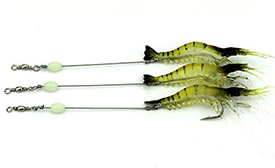
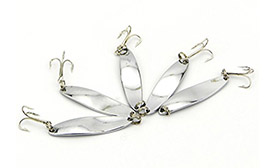
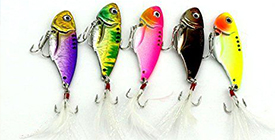
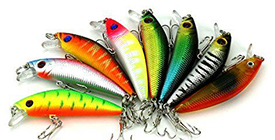
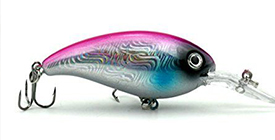
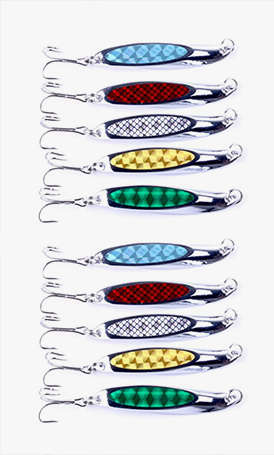
Squid jigs, also known as egi in Japanese, are specialized lures designed to mimic the appearance and movement of small prey that squid feed on, such as shrimp or small fish. They come in various shapes, sizes, and colors, each tailored to different conditions and species of squid. The key features of a squid jig include a weighted body, a series of sharp hooks (usually three or four), and sometimes a glow-in-the-dark coating to attract squid in low-light conditions.
My First Squid Jigging Adventure
I still remember my first squid jigging trip like it was yesterday. It was a warm summer evening in Galveston Bay, Texas. The air was thick with the scent of saltwater, and the sound of seagulls filled the sky. My fishing buddy, Jake, had convinced me to try squid jigging instead of our usual bass fishing.
We launched our boat just as the sun was setting, and by the time we reached our spot near the jetties, it was dark. Jake handed me a squid jig – a bright green one with a glowing strip. “This one’s a winner,” he said with a grin.
Lessons Learned From My First Catch
That first catch taught me a lot about squid jigging. For one, patience is key. Squid are cautious creatures, and it takes time to lure them in. I also learned that the right equipment is crucial. Jake had prepared us well with high-quality squid jigs, and it made all the difference.
Another important lesson was to pay attention to the conditions. On that particular night, the water was calm, and the moon was bright. These conditions are ideal for squid jigging, as they make it easier for the squid to spot the lure. If the water had been rough or the moon had been hidden behind clouds, we might not have had such a successful trip.
Essential Equipment for Squid Jigging
Now that I’ve shared my first squid jigging story, let’s talk about the essential equipment you’ll need to get started.
Choosing the Right Squid Jig
The most important piece of equipment for squid jigging is, of course, the squid jig itself. There are hundreds of different models available, so it can be overwhelming to choose the right one. Here are a few things to consider:
- Size: Squid jigs come in various sizes, typically ranging from 2.5 to 5 inches. The size you choose will depend on the species of squid you’re targeting and the conditions. In general, smaller jigs are better for shallow water and smaller squid, while larger jigs are better for deeper water and bigger squid.
- Color: The color of your squid jig is also important. Squid are attracted to bright colors, especially in low-light conditions. Some popular colors include green, red, pink, and blue. I’ve had great success with green and red jigs, but it’s always a good idea to bring a variety of colors to see what works best on any given day.
- Material: Squid jigs are usually made from a combination of plastic, rubber, and metal. Some jigs have a soft, rubbery body that mimics the texture of real prey, while others have a hard, plastic body with a reflective surface to attract squid.
Other Essential Equipment
In addition to a squid jig, you’ll need the following:
- A light tackle fishing rod: Squid jigs are light, so you’ll need a rod with a light tip to detect the subtle bites. A spinning rod with a medium-light power and a fast action is ideal.
- A spinning reel: A small spinning reel with a smooth drag system is perfect for squid jigging. Look for one with a high gear ratio to reel in your catch quickly.
- Fishing line: Use a light monofilament or fluorocarbon line with a breaking strength of 4 to 8 pounds. Squid have sharp beaks, so it’s important to use a strong line that can withstand their bites.
- A leader: Attach a 12 to 20 pound fluorocarbon leader to your main line. This will help prevent the squid’s beaks from cutting through your line.
- A flashlight: Squid are more active at night, so you’ll need a flashlight to see what you’re doing. A headlamp is ideal because it frees up your hands.
- A net: A small, soft net is perfect for catching squid. Be careful not to damage their tentacles or skin.
Effective Squid Jigging Techniques
Now that you have the right equipment, it’s time to learn the techniques that will help you catch more squid.
The Basic Technique
The basic squid jigging technique is relatively simple, but it takes practice to master. Here’s how to do it:
- Cast your jig into the water and let it sink to the bottom. You’ll know it’s hit the bottom when your line goes slack.
- Pull your rod up in short, sharp jerks. This mimics the movement of a small prey trying to escape from a predator.
- After each jerk, let the jig sink back down to the bottom. Repeat this process until you feel a bite.
- When you feel a bite, reel in your line quickly to set the hooks. Squid have a hard beak, so you need to make sure the hooks are securely embedded.
Advanced Techniques
Once you’ve mastered the basic technique, you can try some advanced techniques to increase your chances of catching squid. Here are a few:
- Slow Jigging: This technique is used in deeper water. Instead of pulling your rod up in short jerks, you pull it up slowly and steadily, then let it sink back down. This mimics the movement of a dying or injured prey, which is very attractive to squid.
- Twitching: This technique involves twitching your rod tip back and forth while reeling in. This creates a more erratic movement that can trigger a squid’s predatory instincts.
- Drift Fishing: If the water is moving, you can try drift fishing. Let your boat drift with the current, and cast your jig into the water. Let it sink to the bottom, then pull it up in short jerks. This allows you to cover a larger area and increase your chances of finding squid.
Tips for Success
Here are a few tips to help you become a squid jigging pro:
- Use a glow-in-the-dark squid jig: Squid are attracted to light, especially in low-light conditions. A glow-in-the-dark jig will make it easier for them to spot your lure.
- Cast near structure: Squid like to hide in rocks, reefs, and other underwater structures. Cast your jig near these areas to increase your chances of finding squid.
- Be patient: Squid are cautious creatures, and it takes time to lure them in. Don’t give up if you don’t get a bite right away.
- Pay attention to the weather: Squid are more active in calm, warm water. Avoid fishing on days with strong winds or cold water.
- Clean your squid jigs regularly: Squid jigs can get covered in slime and debris, which can make them less effective. Clean them with warm water and soap after each use.
Must-Visit Squid Jigging Spots in the US
Now that you know how to squid jig, let’s take a look at some of the best spots in the US to put your skills to the test.
California
California is home to some of the best squid jigging spots in the US. The waters off the coast of Los Angeles, San Diego, and Santa Barbara are teeming with squid, especially during the summer months. Some popular spots include:
- Long Beach Harbor: This harbor is a popular spot for squid jigging, especially at night. The water is calm, and there are plenty of rocks and reefs where squid like to hide.
- Newport Bay: Newport Bay is another great spot for squid jigging. The water is shallow, and there are plenty of eelgrass beds where squid feed.
- Monterey Bay: Monterey Bay is home to a large population of Humboldt squid, which can grow up to 6 feet in length. This is a great spot for experienced anglers looking for a challenge.
Washington
Washington is another great state for squid jigging. The waters off the coast of Seattle, Tacoma, and Olympia are home to a variety of squid species, including the giant Pacific squid. Some popular spots include:
- Elliott Bay: Elliott Bay is a popular spot for squid jigging, especially during the fall and winter months. The water is calm, and there are plenty of piers and docks where you can fish.
- Case Inlet: Case Inlet is a large inlet located in the Puget Sound. The waters here are home to a variety of squid species, including the Pacific flying squid.
- Port Angeles: Port Angeles is located on the Olympic Peninsula and is home to a large population of Humboldt squid. This is a great spot for experienced anglers.
Texas
Texas is known for its excellent bass fishing, but it also has some great squid jigging spots. The waters off the coast of Galveston, Corpus Christi, and Port Aransas are teeming with squid, especially during the summer and fall months. Some popular spots include:
- Galveston Bay: Galveston Bay is a large estuary located in the Gulf of Mexico. The waters here are home to a variety of squid species, including the southern calamari. This is a great spot for beginners.
- Corpus Christi Bay: Corpus Christi Bay is another great spot for squid jigging. The waters here are shallow, and there are plenty of seagrass beds where squid feed.
- Port Aransas: Port Aransas is located on Mustang Island and is home to a large population of Humboldt squid. This is a great spot for experienced anglers.
Final Thoughts
Squid jigging is a rewarding and exciting sport that anyone can enjoy. With the right equipment, techniques, and a little patience, you’ll be reeling in squid like a pro in no time. So, grab your fishing gear, head to your favorite spot, and give it a try – you won’t be disappointed!
And if you’re looking to upgrade your fishing gear, be sure to check out Penceil Vib Lures and Soft Plastics – they offer a wide range of high-quality fishing lures that are perfect for squid jigging and other types of fishing.
Remember, squid jigging is all about having fun and enjoying the outdoors. So, don’t worry too much about catching a lot of squid – just relax, soak in the beautiful scenery, and enjoy the experience. Who knows, you might even catch the biggest squid of your life!


