





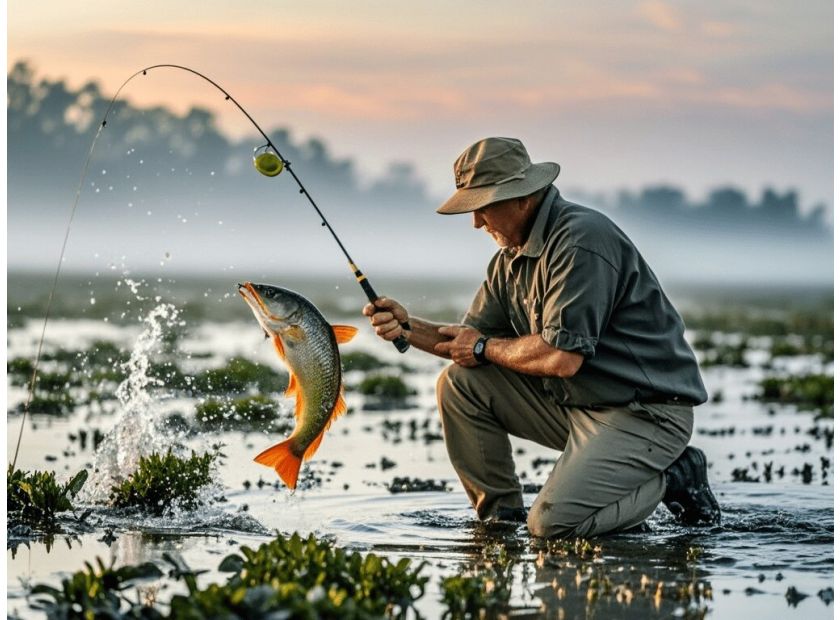
Let me take you back to a crisp October morning on Lake Okeechobee in Florida. The sun was just peeking over the cypress trees, casting golden reflections on the glassy water. I’d been fishing this lake for over a decade, but that day was different. I tied on a bright yellow Popper Lure I’d just picked up from a local tackle shop, cast it out, and let it sit for a second. As I twitched the rod tip, the lure exploded on the surface with a loud "pop," and in an instant, a 5-pound bass launched out of the water like a rocket.
What Makes Popper Lures So Special?
Honestly, popper lures have been my go-to for years, and there’s a good reason for that. Let me tell you what makes them so special.
The Physics of the Pop
When you twitch a popper lure, it creates a loud, splashing noise that mimics a struggling baitfish on the surface. This sound travels through the water and gets the attention of predatory fish like bass, trout, and even redfish. The water temp that day on Lake Okeechobee was 68°F, and the popper was working like magic.
Versatility Across Species
One of the things I love most about popper lures is their versatility. You can use them in freshwater lakes like Lake Michigan, where I once caught a 20-pound pike using a large popper, or in saltwater estuaries along the Texas coast for redfish and speckled trout.
Choosing the Right Popper Lure
Not all popper lures are created equal, and choosing the right one can make all the difference between a successful day on the water and a frustrating one.
Size Matters
Small poppers work well in calm water for smaller species like bluegill and bass, while larger poppers are better for rough water and bigger fish like pike and muskie.
Color Selection
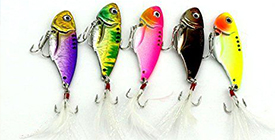
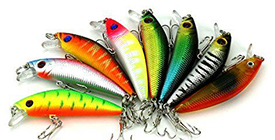
Bright colors like red, yellow, and orange are great for clear water on sunny days, while darker colors like black and blue work better in murky water or low-light conditions.
Depth and Retrieval Speed
Popper lures typically stay on the surface, but some models can dive a few feet when retrieved quickly. The depth and retrieval speed depend on the design of the lure and the species you’re targeting.
Techniques for Success with Popper Lures
Using a popper lure is straightforward, but there are some techniques that can help you catch more fish.
The Walk-the-Dog Technique
The Stop-and-Go Technique
Cast the lure out, retrieve it with a few quick jerks, and then let it sit for a few seconds. This can be effective for slower-moving fish that are more cautious.
Understanding the Water
Pay attention to the water conditions when using popper lures. Calm water is better for surface lures because the sound travels further, while rough water can make it harder for fish to hear the lure.
Stories from the Water
Over the years, I’ve had some incredible experiences with popper lures. Let me share a few with you.
The 20-Pound Pike on Lake Michigan
I was fishing on Lake Michigan in September when I caught a massive 20-pound pike using a large popper lure. The water temp was around 65°F, and the pike hit the lure as soon as it popped out of the water.
Redfish in Texas Estuaries
Along the Texas coast, I’ve had great success using popper lures for redfish and speckled trout. The shallow, marshy waters are perfect for surface lures, and the sound of the popper attracts fish from far away.
Muskie Fishing in Wisconsin
Muskie fishing is known for being challenging, but popper lures can be very effective. I once caught a 40-inch muskie on Lake Winnebago in Wisconsin using a large, noisy popper lure.
Common Mistakes to Avoid
Even experienced fishermen make mistakes, and there are some common errors to watch out for when using popper lures.
Retrieving Too Fast or Too Slow
Retrieving the lure too fast can make it look unnatural, while retrieving it too slow can make it less visible to fish. The key is to find a rhythm that mimics a wounded baitfish.
Using the Wrong Lure Size
Using a lure that’s too large or too small for the species you’re targeting can reduce your chances of catching fish.
Ignoring Water Conditions
Water conditions like temperature, clarity, and wind can affect the performance of popper lures. Pay attention to these factors and adjust your technique accordingly.
Expanding Your Lure Collection
While popper lures are my favorite, I also use other types of lures to target different species. For example, Squid Jigs are great for catching squid in coastal waters, and spinnerbaits are effective for bass and pike in freshwater lakes.
Actionable Tip: The next time you go fishing, bring a few different colors and sizes of popper lures. Start with a bright yellow or red lure in calm water, and switch to a darker color if the water is murky. Experiment with different retrieval techniques to see what works best.


