




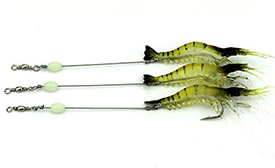
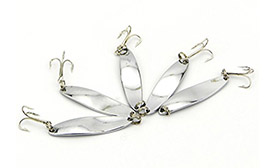

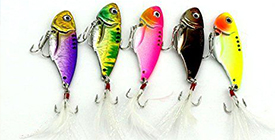
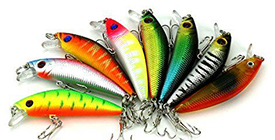
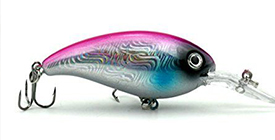
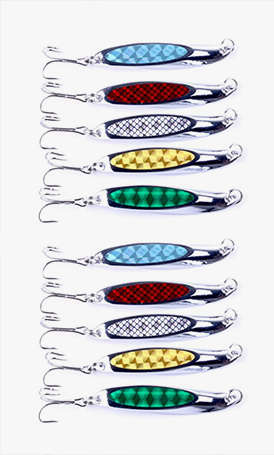

It was late June on Lake Okeechobee, Florida. The humidity hung thick like a wet blanket, and the sun blazed high enough to make the water shimmer like liquid gold. I’d been out since dawn, casting every Soft Plastics and Metal Lures in my tackle box, but the bass were just staring at them—no bites, no follows, nothing. I was about to call it a day, frustrated and sweaty, when I reached for the last lure I hadn’t tried: a beat-up red crank lure with a chipped bill that I’d had since my first fishing trip to Lake Texoma back in Texas.
The Power of Crank Lures in Different Water Temps
I remember checking the water temp that morning—68°F. It was cool enough that the bass were sluggish, but not cold enough that they’d retreat to deep holes. Crank lures, I’ve learned over 20 years, are magic in this in-between temp. Unlike Metal Lures, which drop fast and might scare off lazy bass, or Soft Plastics, which need slow, twitchy movements that can feel like a chore, crank lures do the work for you. Just cast and reel, and the bill dives to the perfect depth, bouncing off rocks and logs that bass love to hide under.
About ten minutes after I tied on that beat-up crank, I felt a sharp tug that almost pulled the rod out of my hands. I set the hook hard, and a 5-pound largemouth bass erupted from the water, shaking its head like a mad bull. After that, I caught three more bass in the next hour—all on the same crank lure. That day taught me something I’ll never forget: when other lures fail, crank lures are the go-to for turning a slow day into a great one.
Understanding Crank Lure Depths for Every Lake
One of the biggest mistakes new anglers make with crank lures is not matching the lure’s depth to where the bass are hiding. Let me tell you—this is make-or-break. On Lake Michigan, for example, I once fished for smallmouth bass in 30 feet of water with a shallow-diving crank. I cast for hours and didn’t get a single bite. A fellow angler saw me struggling and lent me a deep-diving crank that went down to 25 feet. Within five minutes, I caught a 3.5-pound smallmouth that hit the lure as it bounced off a submerged rock pile.
Most crank lures have the diving depth printed on the package, but real-world depths can vary. If you’re fishing in clear water, you might need a deeper lure because bass will stay further from the shore. In murky water, shallow-diving crank lures work better because bass rely on sight and vibrations to find food. Always adjust your crank lure depth based on the lake’s conditions and where the fish are feeding that day.
Crank Lures vs. Other Lures: When to Choose What
Honestly, I love both Soft Plastics and Metal Lures—each has its time and place. Metal Lures like spoons are great for fast-moving water in rivers like the Colorado River in Arizona, where you need to cover a lot of ground quickly. Soft Plastics like worms are perfect for slow, precise fishing in weedy areas of Lake Okeechobee, where bass are holding tight to cover.
But when the bass are active but not aggressive—like in 68°F water—crank lures are unbeatable. They combine the speed of Metal Lures with the lifelike action of Soft Plastics, making them irresistible to bass that are too lazy to chase fast-moving lures but too hungry to ignore a slow, wobbling crank. If you’re ever unsure which lure to use, start with a crank—it’s a safe bet.
Crank Lure Colors: Matching the Hatch for Success
Color choice is another big thing with crank lures. I’ve seen anglers use bright pink cranks in muddy water and wonder why they’re not catching anything. The trick is to match the color of the lure to the color of the baitfish in the lake. For example, on Lake Texoma, the bass feed on shad, so silver or white crank lures work best. On Lake Okeechobee, the bass love bluegill, so crank lures with green and yellow patterns are the way to go.
I once made the mistake of using a red crank lure on a lake where the baitfish were all silver. I fished for two hours and didn’t get a bite. When I switched to a silver crank, I caught four bass in the next 30 minutes. It’s a simple rule, but it makes a huge difference. Always take a look at the baitfish in the lake before you choose your crank lure color.
How to Fish Crank Lures for Maximum Effect
Let me tell you—the way you reel in a crank lure matters just as much as the lure itself. I used to just cast and reel at a steady speed, and while that worked sometimes, I was missing out on a lot of bites. Now, I vary my retrieve—sometimes fast, sometimes slow, sometimes with short pauses. This mimics the erratic movement of injured baitfish, which bass can’t resist.
Another tip: always bounce your crank lure off obstacles. On Lake Michigan, I’ll cast my crank towards a rocky shoreline and reel it in so that it hits every rock and log in its path. The bass lie in wait near these obstacles, ready to pounce on any prey that gets scared out of hiding. The bounce of the crank lure against a rock sends vibrations through the water that bass can feel from miles away.
Crank Lure Failures and What I Learned from Them
Not every day with a crank lure is a success. I once fished for walleye on Lake Erie with a deep-diving crank that I thought was perfect. The water temp was 70°F, and the wind was blowing hard, creating big waves. I cast for four hours and didn’t get a single bite. I was so frustrated that I almost threw the lure overboard.
Later that day, I talked to a local angler who told me that in rough water, walleye stay in shallow water near the shore, not in the deep holes where I was fishing. If I had used a shallow-diving crank instead, I probably would have caught some fish. That failure taught me that no matter how good a lure is, you have to use it in the right conditions.
Why LENPABY’s Crank Lures Stand Out from the Rest
Over the years, I’ve tried countless crank lures from different brands. Some are great, some are okay, and some are a waste of money. But LENPABY’s crank lures—they’re in a league of their own. The attention to detail is incredible. The bill is made from a durable material that doesn’t chip or break, even when you bounce it off rocks all day. The paint job is vibrant and long-lasting, so the lure still looks like new after dozens of fish hits.
Another thing I love about LENPABY’s crank lures is the depth. I’ve tested them in lakes all over the US, and they consistently dive to the depth printed on the package. That’s not something you can say about every brand. And the action? It’s smooth and lifelike, exactly what bass are looking for.
The Perfect Crank Lure Setup for Bass Fishing
To get the most out of your crank lures, you need the right setup. I prefer a medium-heavy rod with a fast action—this gives me enough power to set the hook hard and reel in big bass, but it’s also flexible enough to let the lure work its magic. For the reel, I use a baitcasting reel with a high gear ratio, which makes it easy to reel in the lure quickly if I need to cover a lot of ground.
As for line, I use 10- to 12-pound monofilament. Monofilament has some stretch, which helps prevent the line from breaking when a bass hits hard. It also floats, which helps keep the lure at the right depth. If you’re fishing in clear water, you might want to use fluorocarbon line, which is almost invisible in water.
Crank Lures for Other Species Beyond Bass
While I mostly fish for bass, crank lures work great for other species too. On Lake Michigan, I’ve caught smallmouth bass, perch, and even northern pike with crank lures. On the Colorado River in Arizona, I once caught a 2-pound catfish that hit my crank lure as I was reeling it in near a submerged log.
For perch, I use small, shallow-diving crank lures with bright colors—they love orange and yellow. For northern pike, I use large, deep-diving crank lures with sharp treble hooks. The key is to adjust the lure size and color based on the species you’re targeting.
The Importance of Maintenance for Crank Lures
Crank lures can take a beating—bouncing off rocks, getting chewed on by fish, being dragged through weeds. That’s why it’s important to take care of them. After every fishing trip, I clean my crank lures with warm water and a soft brush to remove dirt and algae. I also check the treble hooks—if they’re dull or bent, I replace them. A sharp hook is crucial for setting the hook hard and keeping the fish on the line.
I once lost a huge bass because my crank lure’s hook was dull. The bass hit the lure hard, but the hook didn’t penetrate deep enough, and it got away. Now, I always carry extra treble hooks in my tackle box and replace them after every few fishing trips.
Let me give you one last actionable tip to make your crank lure fishing even better: Always carry a variety of crank lures in different depths and colors. You never know what the bass will be feeding on that day, and having options means you can quickly switch to a lure that works. Pack a mix of shallow-diving, medium-diving, and deep-diving cranks in colors that match the baitfish in the lake you’re fishing. This simple tip will turn more slow days into great days on the water.


