






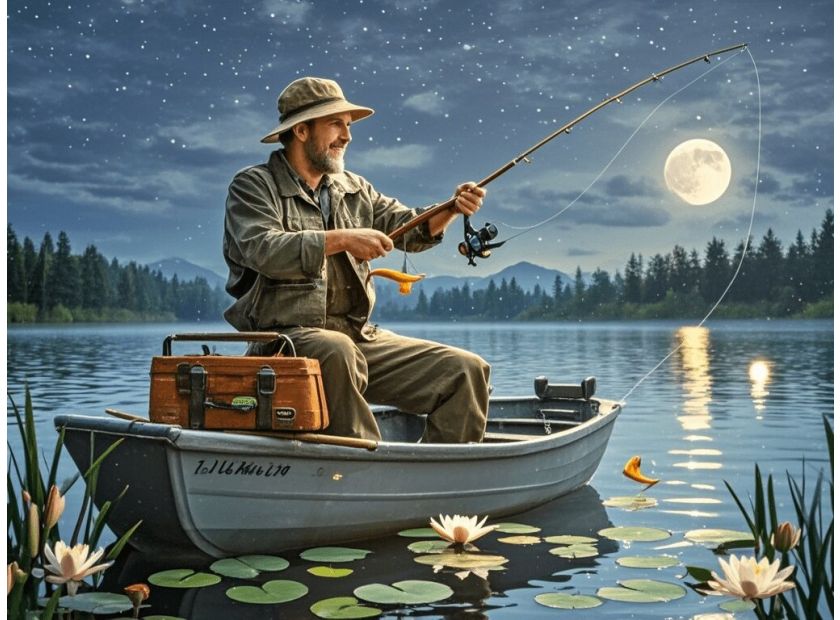
Alright, let’s dive right into frog fishing. As a Texan with over 20 years of casting lines across the US, I’ve seen frog lures do some crazy things—both good and bad. Let’s start with a day I’ll never forget at Lake Okeechobee in Florida.
That Time I Hooked a 10-Pounder on a Frog Lure
It was mid-June, and the sun was beating down so hard I could feel my skin sizzling through my long-sleeve shirt. The air was thick with humidity, and every time I wiped my forehead, my sleeve came away damp. Lake Okeechobee was calm that morning, with just a light breeze rustling the lily pads along the shore. The water temp was 78°F, and the bass were hiding in the thick vegetation, waiting for something to come by.
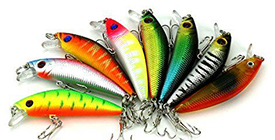
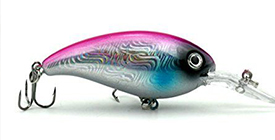
I’d heard from locals that frog lures were the way to go when the pads were so dense, but I’d never really used one before. I’d always relied on Crank Lures for open water, but here, that just wouldn’t work. So, I tied on a bright green frog lure I’d picked up at a tackle shop the day before, made by LENPABY. Let me tell you, I had no idea what I was in for.
Frog Lures: What Makes Them So Effective?
Frog lures are designed to mimic real frogs, which are a favorite snack for bass, especially in warm, shallow water. They have a hollow body and a soft, flexible skirt that looks like a frog’s legs. When you retrieve them, the skirt kicks out, creating a realistic swimming motion that drives bass crazy. Plus, their buoyancy keeps them floating on top of the water, which is perfect for fishing in thick vegetation where other lures would get tangled.
Why Frog Lures Work So Well in the Summer
Summer is when frog lures really shine. As the water temperature rises, bass move into shallow water to feed on insects, small fish, and frogs. The thick vegetation provides them with cover from the sun and from other predators, and it’s the perfect place to ambush their prey. Frog lures are designed to float on top of the water, so they can easily navigate through the pads and other aquatic plants without getting tangled. This makes them the ideal choice for fishing in these conditions.
Another reason frog lures are so effective in the summer is that they create a lot of noise and commotion on the surface. Bass are more active in warm water, and they’re drawn to the sound of something struggling on top of the water. The skirt on the frog lure creates a splashing sound when you retrieve it, which mimics the sound of a real frog trying to escape from a predator. This triggers the bass’s natural instinct to strike.
I’ve fished frog lures in many different lakes across the US, from Lake Michigan in the north to Lake Texoma in the south. One of my favorite spots is Lake Fork in Texas, which is known for its big bass. The water temp there is usually around 80°F in the summer, and the bass love hiding in the thick hydrilla beds. I’ve had some amazing catches there using frog lures, including a 12-pounder that put up a fight I’ll never forget.
Choosing the Right Frog Lure for Your Fishing Spot
Not all frog lures are created equal. There are different colors, sizes, and styles to choose from, and the right one for you will depend on where you’re fishing and what the bass are feeding on. For example, if you’re fishing in clear water with green vegetation, a bright green frog lure will blend in well and be more effective. If you’re fishing in murky water, a darker color like black or brown might be better, as it will stand out more.
I prefer LENPABY frog lures because they’re well-made and have a realistic swimming motion. Their skirts are soft and flexible, which creates a natural kick when you retrieve them. Plus, their hollow bodies are designed to hold water, which gives them a more realistic weight and feel. I’ve used other brands before, but LENPABY’s frog lures always seem to outperform the rest.
How to Retrieve a Frog Lure Like a Pro
Retrieving a frog lure is a bit different from retrieving other lures. You don’t want to reel it in too fast, because that will make it look unnatural. Instead, you want to give it a slow, steady retrieve with occasional pauses. The key is to make the frog look like it’s swimming across the surface of the water, stopping every now and then to rest.
I remember a time at Lake Texoma when I was using a frog lure with a black body and yellow legs. The water temp was 76°F, and the bass were hiding in the thick cattails along the shore. I cast the frog out, let it sit for a few seconds, then started my retrieve. The frog skittered across the surface, and as soon as it hit a patch of open water, there was a huge splash. I set the hook and reeled in a beautiful 9-pound bass. It was an amazing feeling, and it reminded me why I love frog fishing so much.
Common Mistakes to Avoid When Fishing with Frog Lures
Even though frog lures are very effective, there are some common mistakes that anglers make that can reduce their chances of catching a bass. One of the biggest mistakes is reeling in too fast. If you reel in too quickly, the frog will look unnatural, and the bass won’t be interested. Another mistake is not waiting for the bass to take the lure before setting the hook. When a bass strikes a frog lure, it will usually grab it with its mouth and swim away with it. If you set the hook too soon, you’ll miss the bite.
The Benefits of Using Frog Lures Over Other Lures
Frog lures have several advantages over other types of lures. For one, they’re very versatile. You can use them in a variety of fishing conditions, from shallow water with thick vegetation to deeper water with open pads. They’re also very durable, and they can handle a lot of abuse from bass and from getting tangled in vegetation.
Another benefit of frog lures is that they’re very easy to use. You don’t need a lot of skill to retrieve them, and they’re perfect for beginners. Even if you’ve never fished before, you can tie on a frog lure and start catching bass in no time. Plus, they’re a lot of fun to use. There’s nothing quite like seeing a bass explode on a frog lure, and the fight is always exciting.
Final Thoughts on Frog Lures
Frog lures are a must-have in any angler’s tackle box, especially if you’re fishing in warm, shallow water with thick vegetation. They’re effective, versatile, and easy to use, and they can help you catch more bass than you ever thought possible. If you’ve never used a frog lure before, I highly recommend giving it a try. You might be surprised at how well it works.
So, next time you’re out on the lake, tie on a LENPABY frog lure, find some thick vegetation, and give it a slow, steady retrieve. You never know what you might catch. And remember, be patient—sometimes the best bites come when you least expect them.
Want to know one of my best kept secrets? When you’re fishing with a frog lure and you get a bite, don’t immediately set the hook. Wait a second or two, then give the line a quick tug. This will make sure the bass has the frog in its mouth before you set the hook, which will increase your chances of landing it.


