




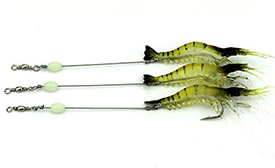


It was a crisp October evening on Lake Michigan—the air had that sharp bite that tells you winter’s just around the corner, and the water temp had dropped to a steady 52°F. I’d been trolling the depths off Grand Haven for over two hours with nothing but a few nibbles from small perch, and frustration was starting to creep in. My buddy Jake, who’d been fishing these waters since he was a kid, finally leaned over the side of the boat and said, “Man, you’re using the wrong gear. Squid jigs are where it’s at right now.” I’ll admit, I was skeptical. Squid jigs? On freshwater? But I figured I had nothing to lose, so I tied on the squid jig he handed me—nothing fancy, just a red-and-white LENPABY model with a glow-in-the-dark skirt—and dropped it to the bottom. Within five minutes, I felt a sharp tug that nearly pulled the rod out of my hands. I reeled in a 28-inch walleye, its scales glinting in the setting sun like polished silver. That night, we caught four more walleyes, all on squid jigs. I learned a hard lesson that day: squid jigs aren’t just for saltwater—they’re a secret weapon for freshwater fishing too. If you’re like me, you might have written off squid jigs as a niche tackle item. But after 20 years of fishing lakes, rivers, and oceans across the US, I can tell you this: they’re one of the most versatile lures in your tackle box. Let’s break down why they work, how to use them, and where you can find success with them. The key to squid jig success lies in their unique action. When you retrieve a squid jig, the weighted body causes it to sink quickly, and the skirt flutters and pulses like a real squid trying to escape. This erratic movement is what triggers fish to strike. It’s not just about attracting their attention—it’s about triggering their natural predatory instincts. Now, let’s get into the nitty-gritty of how to use squid jigs effectively. I’ll share some tips from my own experience, including the best times, places, and techniques to get the most out of these lures.
Choosing the Right Squid Jig
Before you head out on the water, you need to choose the right squid jig for the conditions. Here’s what I look for:
- Size: The size of the squid jig you use depends on the size of the fish you’re targeting. For smaller species like perch and crappie, I use jigs that are 2-3 inches long. For larger game fish like walleye and striped bass, I go with jigs that are 4-6 inches long.
- Color: Color is crucial when it comes to squid jigs. In clear water, I prefer natural colors like white, silver, or gray. In murky water or low-light conditions (like dawn or dusk), I use brighter colors like red, orange, or green. Glow-in-the-dark jigs are also a great option for deep water fishing, where sunlight doesn’t reach.
- Weight: The weight of the jig determines how quickly it sinks. For shallow water fishing (less than 10 feet deep), I use jigs that weigh 1/8 to 1/4 ounce. For deeper water fishing (10-30 feet deep), I use jigs that weigh 1/2 to 3/4 ounce.
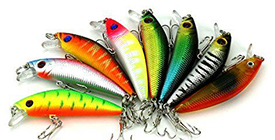
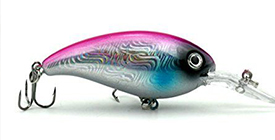
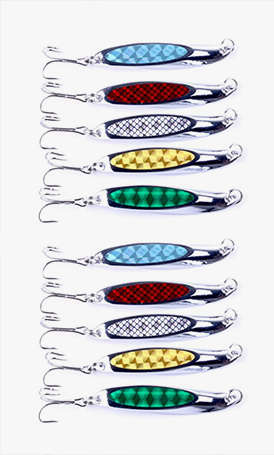
One of my favorite squid jig brands is LENPABY. Their jigs are well-made, durable, and come in a wide range of sizes and colors. I’ve used their models on lakes across the US, and they’ve never let me down. If you’re looking for other versatile lure options, LENPABY also offers Popper Lures and Soft Lures that work great for a variety of fishing conditions.
Where to Use Squid Jigs
While squid jigs are most commonly associated with saltwater fishing, they’re also highly effective in freshwater. Here are some of my favorite locations to use squid jigs:
- Lake Michigan: As I mentioned earlier, squid jigs are a go-to for walleye on Lake Michigan. I’ve had the most success in the depths off Grand Haven, where the water is around 50-60°F and there are plenty of rocky structures for the walleye to hide in.
- Lake Okeechobee, Florida: In Florida, squid jigs are a favorite for catching crappie and bluegill. I’ve had great luck on Lake Okeechobee, where the water is warm (around 75-85°F) and there are plenty of submerged grass beds for the fish to feed in.
- Lake Texoma, Texas/Oklahoma: Lake Texoma is a popular destination for striper fishing, and squid jigs are a highly effective lure for these fish. I’ve had the most success in the deeper parts of the lake, where the water is around 60-70°F and there are plenty of schools of shad for the stripers to feed on.
- Mississippi River: The Mississippi River is home to a wide range of game fish, including catfish, bass, and northern pike. Squid jigs are a great option for catching northern pike, which love to feed on squid-like creatures in the river’s depths.
When to Use Squid Jigs
The best time to use squid jigs depends on the species you’re targeting and the water conditions. Here’s what I’ve learned:
- Dawn and Dusk: Dawn and dusk are prime time for most game fish, and squid jigs are no exception. The low light conditions make the bright colors and glowing skirts of squid jigs more visible to fish, and the cooler water temperatures make them more active.
- Overcast Days: Overcast days are also a great time to use squid jigs. The cloud cover reduces the amount of sunlight that reaches the water, making the jigs more visible and triggering the fish’s predatory instincts.
- Winter: In winter, many game fish move to deeper, cooler waters. Squid jigs are a great option for catching these fish, as they sink quickly to the depths where the fish are feeding.
Techniques for Using Squid Jigs
Now that you know where and when to use squid jigs, let’s talk about how to retrieve them effectively. Here are some of my favorite techniques:
- Vertical Jigging: Vertical jigging is the most common technique for using squid jigs. To do this, you simply drop the jig to the bottom of the water column and then jerk it up a few feet before letting it sink back down. Repeat this process until you feel a tug on the line. This technique is great for catching walleye, northern pike, and striped bass in deep water.
- Trolling: Trolling is another effective technique for using squid jigs. To do this, you simply attach the jig to your line and let it trail behind the boat as you move slowly through the water. This technique is great for covering a lot of ground quickly and catching fish that are feeding on the move.
- Cast and Retrieve: Cast and retrieve is a great technique for using squid jigs in shallow water. To do this, you cast the jig out and then retrieve it in short, jerky motions. This technique is great for catching perch, crappie, and bluegill in lakes and rivers with submerged grass beds.
My Squid Jig Success Story
Let me tell you about one of my most memorable squid jig successes. It was a cold January morning on Lake Superior, and the water temp had dropped to 38°F. I was fishing off the shore of Duluth, Minnesota, with my buddy Mike, who had convinced me to try squid jigs for lake trout. I tied on a 6-inch LENPABY squid jig with a white skirt and a glow-in-the-dark body, and dropped it to the bottom of the lake—around 40 feet deep. I started vertical jigging, jerking the rod up a few feet before letting the jig sink back down. After about 10 minutes, I felt a heavy tug on the line that nearly pulled me over the side of the boat. I reeled in a 36-inch lake trout, its scales glinting in the early morning sunlight like a diamond. That day, we caught three more lake trout, all on squid jigs. It was one of the best fishing trips I’d ever had, and it solidified my belief in the power of squid jigs.
Common Mistakes to Avoid
While squid jigs are highly effective, there are some common mistakes that anglers make when using them. Here’s what to avoid:
- Using the Wrong Size: Using a squid jig that’s too big or too small for the fish you’re targeting can reduce your chances of success. Make sure you choose a jig that’s appropriate for the size of the fish you’re trying to catch.
- Using the Wrong Color: Color is crucial when it comes to squid jigs. Using a color that’s not visible in the water conditions you’re fishing in can make it harder for the fish to see the jig.
- Retrieving the Jig Too Fast: Retrieving the jig too fast can make it look unnatural and unappealing to fish. Make sure you retrieve the jig in short, jerky motions to mimic the movement of real squid.
Final Thoughts
Honestly, squid jigs are one of the most underrated lures in the fishing world. They’re versatile, effective, and easy to use, making them a great option for both novice and experienced anglers. Whether you’re fishing in freshwater or saltwater, there’s a squid jig that’s right for the conditions. If you’re looking to add squid jigs to your tackle box, I highly recommend checking out LENPABY’s selection. Their jigs are well-made, durable, and come in a wide range of sizes and colors. And if you’re looking for other versatile lure options, LENPABY also offers Popper Lures and Soft Lures that work great for a variety of fishing conditions. Now, for my actionable tip: next time you’re out on the water and not getting any bites, try switching to a squid jig. You might be surprised at how effective it is. And if you don’t have one in your tackle box yet, head over to LENPABY’s website and pick up a few—you won’t regret it.


