





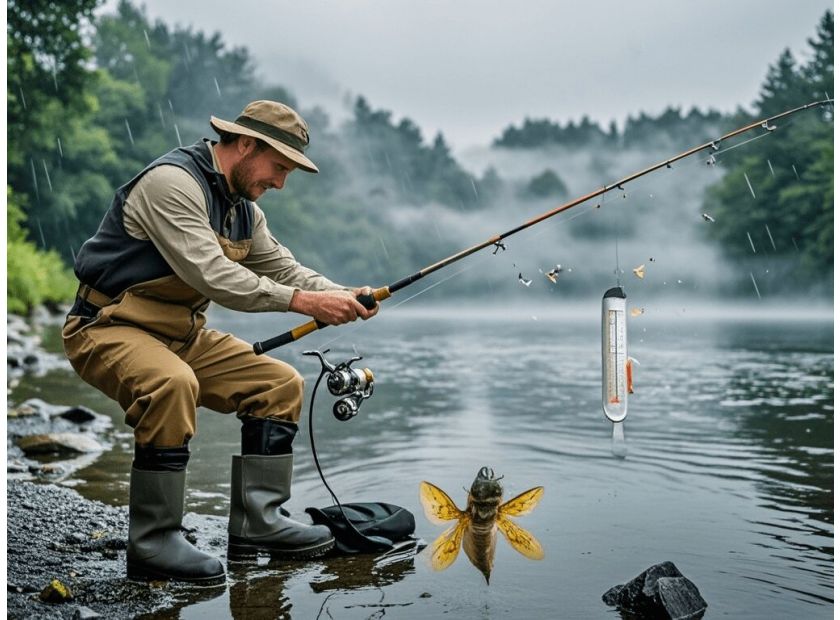
Let me tell you about the day I almost quit fishing for bass. It was a sweltering July morning on Lake Okeechobee in Florida. The humidity was so thick you could almost drink it, and the sun was already beating down hard at 7 a.m. The air temp was pushing 90°F, and the water temp was a steamy 82°F. I’d been casting every lure in my tackle box for three hours straight—plastic worms, spinnerbaits, crankbaits—and I hadn’t even had a nibble. I was hot, frustrated, and ready to pack it up and head for the nearest diner for some sweet tea and fried catfish.
That little lure made the most amazing sound—like a frog plopping into the water. And before I could even react, I felt a massive jolt. The rod bent almost in half, and the line started screaming off my reel. I fought that bass for what seemed like an eternity, my arms burning, my heart pounding. When I finally got it into the boat, it was a 5-pound largemouth—one of the biggest I’d ever caught on Lake Okeechobee. That day changed everything for me. I went from being a frustrated angler ready to quit to being hooked on popper lures. And let me tell you, over the past 20 years, they’ve become one of my most trusted tools for catching bass all across the US.
What Makes Popper Lures So Special?
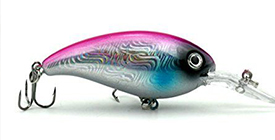
So, what exactly is a popper lure, and why does it work so well? Well, poppers are a type of topwater lure that get their name from the popping sound they make when you jerk them across the surface. They have a concave or sloped face that displaces water violently when pulled, creating both sound and visual commotion. This mimics a wounded or struggling baitfish, which drives bass absolutely crazy. In fact, Bass Fishing enthusiasts across the country swear by them, especially in warm water conditions.
I remember another time on Lake Texoma, which straddles the border of Texas and Oklahoma. It was a crisp October evening, and the sun was just starting to set. The air temp had dropped to around 65°F, and the water temp was a comfortable 68°F. The wind had died down, and the surface of the lake was like glass. I was fishing near a rocky shoreline, and I decided to try a white popper with a black back. I cast it out, let it sit for a few seconds, then gave it a gentle twitch.
The sound that little lure made was like music to my ears. It was a soft, subtle pop that cut through the quiet of the evening. And within seconds, I had a strike. It was a 4-pound smallmouth that put up an incredible fight. That fish hit so hard I almost lost my grip on the rod. After that, I caught three more bass in the next 20 minutes—all on the same popper. It was one of those magical fishing moments that you never forget.
When to Use Popper Lures
Now, let me share with you the best times and conditions to use poppers for maximum success. In my experience, poppers work best when the water is warm—usually between 60°F and 85°F. Bass are more active in warm water, and they’re more likely to be feeding on the surface. This is especially true during the early morning and late evening hours, when the sun is low and the water is cooler. The golden hour, just before sunset and just after sunrise, is prime time for popper fishing.
I’ve had great luck using poppers in calm to moderate wind conditions. When the water is too choppy, the sound of the popper gets lost in the waves. But when it’s calm or has a slight ripple, that popping sound carries across the surface and attracts bass from far away. I also like to use poppers near structure—things like docks, fallen trees, lily pads, and rocky shorelines. Bass love to hide in these areas, waiting for unsuspecting prey to swim by. The sound and commotion of a popper is the perfect way to draw them out of their hiding spots.
How to Fish with Poppers
Another technique that works well is the “walk-the-dog” retrieve. This involves twitching the rod tip back and forth while reeling in slowly, which makes the popper zigzag across the surface. This mimics a wounded baitfish that’s trying to swim away but can’t. Bass find this incredibly tempting, and they’ll often strike with ferocity. I’ve used this technique with great success on Lake Michigan, where the bass are known for their aggressive feeding habits.
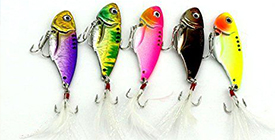
I also like to use poppers in conjunction with other lures. For example, if I’m not having any luck with a popper, I’ll switch to a Penceil Vib Lures to cover more water. The combination of a topwater popper and a vibration lure can be deadly. The popper attracts the bass to the surface, and if they don’t strike, the vibration lure will often pick them up as it sinks.
My Favorite Popper Lures of All Time
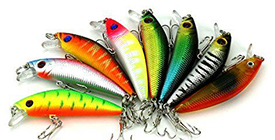
Over the past 20 years, I’ve tried just about every popper lure on the market. Some have been duds, but others have become my go-to favorites. Here are a few that I swear by:
- Heddon Super Spook: This is a classic popper that’s been around for decades. It’s available in a variety of colors and sizes, and it produces a loud, aggressive pop that attracts bass from long distances. I’ve caught some of my biggest bass on Lake Okeechobee using this lure.
- Rebel Pop-R: This is a smaller, more subtle popper that’s perfect for calm water conditions. It produces a soft, gentle pop that’s irresistible to bass. I’ve had great luck with this lure on Lake Texoma.
- Arbogast Jitterbug: This is a unique popper that has a side-to-side swimming action. It produces a distinctive buzzing sound that drives bass crazy. I’ve used this lure successfully on the Mississippi River.
- Zara Spook: This is another classic popper that’s been around for years. It has a long, slender body and produces a loud, popping sound. I’ve caught bass up to 6 pounds on this lure in Lake Michigan.
Failures and Lessons Learned
Now, I know I’ve been talking a lot about my successes, but I want to share some failures too. Fishing isn’t always easy, and even the most experienced anglers have bad days. I remember one time on Lake Erie, which borders Ohio, Pennsylvania, and New York. It was a hot August afternoon, and the air temp was 95°F. The water temp was a scorching 86°F. I’d been casting a red and white popper for over an hour, and I hadn’t had a single strike.
I was starting to get frustrated, and I was about to switch to a different lure. But then I decided to try a different technique. Instead of using a fast, erratic retrieve, I slowed it down. I cast the popper out, let it sit for 10 seconds, then gave it a very gentle twitch. The sound was much softer, almost a whisper. And within seconds, I had a strike. It was a 3-pound walleye—something I wasn’t expecting at all. That day taught me that sometimes you just have to slow down and be patient. What works one day might not work the next, and you have to be willing to adapt.
The Best Fishing Spots for Poppers
Let me share with you some of the best places I’ve found to use poppers across the US. One of my favorite spots is the Florida Everglades. The glades are home to thousands of bass, and they love topwater lures like poppers. The lily pads and cypress trees provide the perfect hiding spots for bass, and the warm water conditions are ideal for popper fishing. I’ve caught bass up to 7 pounds in the Everglades.
Another great spot is the Texas Hill Country. The rivers and lakes in this area are filled with bass, and they’re very receptive to poppers. I’ve had great luck fishing near the dams and spillways, where the water is flowing. The movement of the water creates turbulence, which makes it easier for bass to hide and wait for prey. The Guadalupe River and Lake Travis are two of my favorite spots in the Hill Country.
I also like to fish for bass in the Great Lakes region. Lake Michigan, Lake Erie, and Lake Huron are all great places to use poppers. The bass in these lakes are aggressive, and they’re always looking for a tasty meal. I’ve caught bass up to 8 pounds in Lake Michigan using a Zara Spook. The rocky shorelines and deep water drop-offs are perfect for popper fishing.
Tips for Choosing the Right Popper
Size is also important. If you’re fishing for small bass, use a small popper—around 2-3 inches long. If you’re fishing for big bass, use a larger popper—up to 5 inches long. I’ve found that bass in warm water conditions are more likely to strike a larger popper. But don’t be afraid to experiment—sometimes a small popper will work better than a large one.
Closing Thoughts
But fishing isn’t just about catching bass—it’s about connecting with nature, spending time with friends, and creating memories that will last a lifetime. That’s why I love fishing so much. It’s a way to escape from the hustle and bustle of everyday life and just enjoy the beauty of the great outdoors.
Actionable Tip: Next time you go fishing, try this little trick. Before you start casting, take a few minutes to observe your surroundings. Look for signs of bass activity—things like jumping fish, ripples on the surface, and birds diving into the water. These are all signs that bass are feeding on the surface. Once you’ve identified a good spot, tie on a popper and start fishing. Use the techniques I shared with you—pop-and-pause, walk-the-dog, etc.—and be patient. You might be surprised at what you catch.


