





Metal Lures: A 20-Year Texas Fisherman’s Guide to Landing Big Catches
Let me take you back to a crisp October morning on Lake Okeechobee. I was out in my old bass boat, the cool wind cutting through my jacket, water temp hovering around 68°F. I’d been fishing here for years, but that day something felt different. I’d brought along a new Frog Lures I’d picked up, but after an hour of casting with no luck, I was starting to feel frustrated. The sky was overcast, and the fish just weren’t biting like I’d expected.
That’s when I decided to switch gears. I reached into my tackle box and pulled out an old standby—a silver spoon metal lure. I cast it out near the lily pads, let it sink for a few seconds, and gave it a sharp jerk. Instantly, I felt a heavy thud on the line. A 5-pound bass erupted from the water, and the fight was on. That moment taught me something I’d never forget: sometimes, you don’t need the flashiest new lure—you need a metal lure that’s been tested by time.
Why Metal Lures Are a Fisherman’s Best Friend
Metal lures might not look as fancy as some of the new soft plastics or frog lures, but let me tell you—they’re a workhorse. They’ve been around for decades, and there’s a reason for that. For starters, they’re incredibly versatile. You can fish them in shallow water, deep water, clear water, or murky water. They work for bass, trout, walleye, pike, and even saltwater species like redfish and snook.
Another big advantage of metal lures is their durability. I’ve lost count of how many times a big fish has attacked my spoon lure, but those lures just keep on going. They’re not as fragile as some of the plastic or wooden lures out there, which makes them perfect for fishing in tough conditions. Plus, they’re easy to maintain. A quick wipe with a cloth after each use, and they’re good to go.
The Best Times to Use Metal Lures
One of my favorite things about metal lures is that they work well year-round. But there are certain times when they really shine. Let’s break it down:
Spring: Pre-Spawn and Spawn Periods
In the spring, when the water starts to warm up, fish are getting ready to spawn. They’re actively feeding to build up energy, and metal lures are perfect for this. I’ve had great success on Lake Texoma in Oklahoma using a golden spinnerbait during the pre-spawn period. The water temp was around 60°F, and I was fishing near the rocky shoreline. The spinnerbait’s flash and vibration drew in bass from all directions.
During the spawn, fish are a bit more finicky. I’ve found that a small silver spoon works well here. I cast it near the spawning beds, let it sink slowly, and give it a gentle twitch. This mimics the movement of a minnow, which is a favorite food for spawning fish.
Summer: Hot Days and Deep Water
Summer can be tough. The water gets hot, and fish tend to go deep to find cooler water. That’s when I turn to jigging spoons. I’ve had great success on Lake Michigan in Illinois using a heavy lead jigging spoon. I cast it out to the deep water near the drop-offs, let it sink to the bottom, and then jig it up and down. The spoon’s flutter and flash drive walleye and northern pike crazy.
On those super-hot days, I’ll also use a metal blade bait in shallow water. The vibration from the blade can draw in fish even when the water’s almost too warm for them to be active. I’ve had success with this on Lake Erie in Ohio, fishing near the docks and bridge pilings.
Fall: Feeding Frenzy
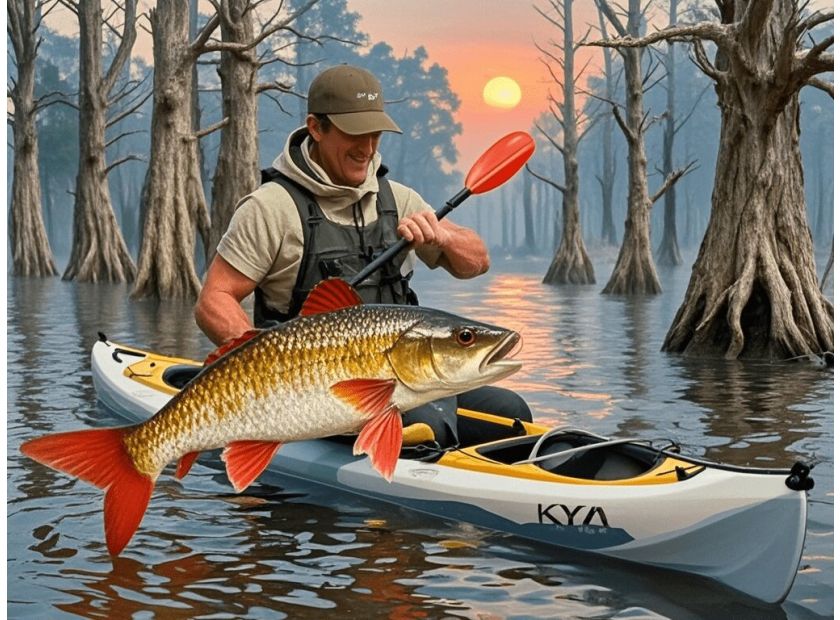
Fall is my favorite time to fish with metal lures. The water starts to cool down, and fish are gorging themselves before winter. I’ve had incredible success on the Mississippi River in Louisiana using a large silver spoon for redfish. The water temp was around 72°F, and I was fishing near the river mouths. I’d cast the spoon out, let it sink for a few seconds, and then reel it in fast. The spoon’s movement mimics a fleeing mullet, and redfish attack it with vengeance.
Winter: Slow and Steady
Winter fishing can be tough, but metal lures can still produce results. Fish are less active, so you need a lure that’s slow and subtle. I’ve had success on the Tennessee River in Alabama using a small lead jigging spoon. I’ll fish it in deep water, letting it sink all the way to the bottom and then jigging it slowly up and down. This mimics the movement of a dying minnow, which is a easy meal for inactive fish.
My Favorite Metal Lures and How to Fish Them
Over the years, I’ve tried just about every metal lure out there. Here are a few of my favorites:
1. Spoon Lures
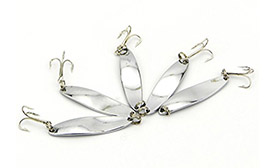
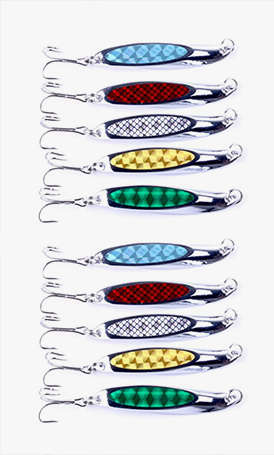
Spoon lures are classic. They come in all sizes and colors, but my go-to is the silver spoon for clear water and the gold spoon for murky water. When fishing for bass, I’ll cast the spoon out near the lily pads or rocky shoreline, let it sink for a few seconds, and give it a sharp jerk. This creates a fluttering movement that drives bass crazy. For pike, I’ll use a larger spoon and reel it in fast—pike love to chase down fast-moving prey.
My only failure with spoon lures was on the Colorado River in Arizona. I was using a gold spoon for largemouth bass, but the fish just weren’t biting. I later realized the water was too clear—on clear days, it’s best to use a silver spoon or even a chrome spoon for a more realistic flash.
2. Spinnerbaits
Spinnerbaits are another versatile metal lure. They have a rotating blade that creates flash and vibration, which draws in fish from far away. I like to use a gold spinnerbait in murky water and a silver spinnerbait in clear water. The key with spinnerbaits is to vary your retrieve speed. Sometimes, a fast retrieve works, and other times, a slow retrieve is better. I’ve had great success on Lake Mead in Nevada using a blue-colored spinnerbait during the evening hours.
3. Jigging Spoons
Jigging spoons are designed for deep water fishing. They’re heavy, so they sink fast, and their unique shape creates a fluttering movement when you jig them up and down. I’ve had incredible success on Lake Superior in Wisconsin using a lead jigging spoon for walleye. The trick here is to let the spoon sink all the way to the bottom and then jig it up 6 to 12 inches before letting it fall back down. Walleye love to attack the spoon as it falls.
4. Blade Baits
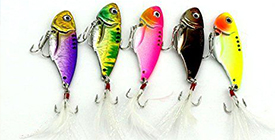
Blade baits are a newer type of metal lure, but they’re already a staple in my tackle box. They have a thin metal body with a curved shape that creates intense vibration when you retrieve them. I’ve had great success on the Ohio River in West Virginia using a nickel blade bait for smallmouth bass. The vibration from the blade can draw in fish even when the water’s almost too cold to be active.
Comparing Metal Lures to Other Lure Types
I love all types of lures, but there’s something special about metal lures. Here’s how they stack up against some of the other popular lure types:
Metal Lures vs. Soft Plastics
Soft plastics are great for their lifelike movement and versatility, but they’re not as durable as metal lures. I’ve had bass tear through a soft plastic lure in just a few minutes, which is frustrating when you’re out on the water. Metal lures, on the other hand, can last for years. Plus, metal lures are better for fishing in tough conditions—like when you’re fishing around sharp rocks or submerged trees. Soft plastics are more likely to get snagged and torn apart in these conditions.
Metal Lures vs. Frog Lures
Frog Lures are great for fishing in shallow water, especially near lily pads and other vegetation. They create a realistic frog-like movement that can draw in big bass. But in my experience, metal lures are better for fishing in deeper water and for covering more ground quickly. If you’re fishing a large lake, a metal lure like a spoon or spinnerbait allows you to cover more area and find where the fish are hiding.
Top Tips for Fishing with Metal Lures
Now that you know why metal lures are so great, let’s talk about how to fish them effectively. Here are some tips I’ve picked up over the years:
- Match the lure size to the prey: If you’re fishing for small trout, use a small silver spoon. If you’re fishing for large pike or musky, use a large gold spoon.
- Vary your retrieve speed: Sometimes, a fast retrieve works, and other times, a slow retrieve is better. Don’t be afraid to experiment until you find what works.
- Use the right line: For most metal lures, I prefer monofilament line in the 8 to 12-pound test range. It’s strong enough to handle big fish, but still has enough stretch to help you set the hook.
- Pay attention to water clarity: In clear water, use a silver or chrome lure for a more realistic flash. In murky water, use a gold or painted lure for better visibility.
- Keep your lure sharp: A dull hook can mean the difference between catching a fish and losing one. Make sure to check your hooks regularly and sharpen them if needed.
One failure I’ve had with metal lures was on the Columbia River in Washington. I was using a large silver spoon for salmon, but the fish just weren’t biting. I later realized I was using too heavy of a line. The 15-pound test line I was using was too thick and not as sensitive as I needed it to be. When I switched to 10-pound test line, I started getting bites almost immediately.
An Actionable Tip to Improve Your Metal Lure Fishing
Here’s a simple tip that can help you catch more fish with metal lures: let the lure sink before you start reeling. A lot of fishermen make the mistake of starting to reel as soon as the lure hits the water, but this can be a big mistake. Depending on the type of fish you’re targeting, you might need to let the lure sink for 3 to 10 seconds before you start reeling. This allows the lure to reach the correct depth and mimic the movement of natural prey.
For example, when fishing for bass in shallow water, let the spoon sink for 3 seconds before you start reeling. This will place the lure at the same depth as the bass are hiding. When fishing for walleye in deep water, let the jigging spoon sink all the way to the bottom before you start jigging. This will mimic the movement of a dying minnow, which is a favorite food for walleye.
So, next time you’re out on the water with a metal lure, remember to let it sink before you start reeling. You might be surprised at how much more effective this simple tip is.
Metal lures have been around for decades, and there’s a reason for that. They’re versatile, durable, and effective for catching a wide variety of fish. From spoon lures to spinnerbaits to jigging spoons, there’s a metal lure for every fishing situation. Whether you’re fishing in shallow water for bass or deep water for walleye, a metal lure can help you land that big catch.
So, the next time you’re out on the water, don’t forget to pack your tackle box with a few metal lures. You never know when they might come in handy. And if you’re looking for more fishing tips, be sure to check out my other articles on Frog Lures and Soft Plastics.


