






Hey buddy, pull up a chair and let’s talk fishing. It was late September on Lake Okeechobee, Florida—you know that big, shallow lake that’s basically a fisherman’s playground if you know where to look. The sun was just peeking over the cypress trees, painting the sky a mix of orange and pink, and the air smelled like damp earth and morning dew. I’d been out there since 4 AM, sipping on black coffee and watching the water for any signs of life. The wind was calm, just a gentle breeze that rippled the surface, and the water temp was a perfect 68°F—prime time for bass.
Why Soft Plastics Changed the Game for Me
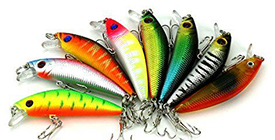
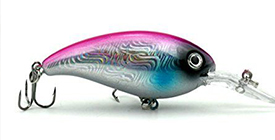
I’ve been fishing for 20 years, from the lakes of Michigan to the rivers of Texas, and let me tell you—nothing has revolutionized bass fishing quite like soft plastics. When I first started out, I relied almost exclusively on Hard Baits like crankbaits and spinnerbaits. They worked, don’t get me wrong, but there were days when the bass were just too finicky to bite anything with a loud rattle or flashy finish. That’s when I discovered soft plastics, and my catch rate shot through the roof.
Soft plastics are incredibly versatile. You can rig them in so many ways—Texas rig, Carolina rig, drop shot, wacky rig—that you can adapt to whatever the bass are doing that day. On that September morning in Okeechobee, I tied on a 4-inch Senko in green pumpkin with black flake, rigged it wacky style. Within 10 minutes of casting near a patch of hydrilla, I felt that familiar thud on the line. I set the hook and reeled in a 3-pound largemouth that fought like a tank. It was the first of many that day.
Understanding Soft Plastics: From Worms to Craws
Soft plastics come in all shapes and sizes, each designed to mimic a specific prey item that bass love. Here are some of the most popular types and when to use them:
- Worms: These are the classic soft plastics. They come in lengths from 4 to 10 inches and colors ranging from natural greens and browns to bright pinks and blues. Rig them Texas style for fishing in heavy cover or wacky style for open water.
- Craws: Crawfish imitations are perfect for fishing around rocks or logs, where crawfish live. The claws on these lures create a lot of movement in the water, which attracts bass.
- Swimbaits: These soft plastics mimic small fish. They have a tail that creates a realistic swimming action when retrieved. Use them to target active bass near the surface or in mid-water.
- Grubs: Grubs are small, curly-tailed lures that are great for catching bass, crappie, and panfish. They work well on a jig head or as a trailer on a spinnerbait.
- Frogs: Hollow-body frogs are designed to float on the surface and mimic a frog jumping across the water. They’re perfect for fishing in lily pads and other thick vegetation.
One of my favorite soft plastics to use is the LENPABY 5-inch worm in watermelon red with black flake. I’ve caught bass on this lure in almost every lake I’ve fished, from Lake Texoma in Texas to Lake Erie in Ohio. The color is so realistic that bass can’t resist it, and the soft texture feels just like a real worm in their mouths.
Rigging Soft Plastics: Tips and Tricks
Knowing how to rig soft plastics correctly is just as important as choosing the right lure. Here are a few rigging techniques that I use almost every time I go fishing:
Texas Rig
The Texas rig is one of the most popular rigging techniques for soft plastics, and for good reason. It’s weedless, which means you can fish it in heavy cover without getting snagged. To tie a Texas rig, thread a bullet-shaped weight onto your line, followed by a glass bead. Then tie on a hook (I prefer a 3/0 offset worm hook for most soft plastics) and insert the point of the hook into the head of the lure. Push the hook through the body of the lure until it comes out the other side, then turn it around and insert the point back into the body of the lure. This hides the hook point and makes the lure weedless.
Carolina Rig
The Carolina rig is similar to the Texas rig, but it has a longer leader. This allows the lure to move more freely in the water, which makes it more attractive to bass. To tie a Carolina rig, thread a bullet-shaped weight onto your line, followed by a glass bead and a swivel. Then tie a 18-24 inch leader to the swivel and tie on your hook and lure. This rig works great for fishing in deep water or around structure like rocks and logs.
Drop Shot Rig
The drop shot rig is a finesse technique that works great when the bass are inactive. To tie a drop shot rig, tie a hook to your line using a Palomar knot, leaving 6-12 inches of tag end. Then tie a weight to the tag end. The hook should be above the weight, which allows the lure to float off the bottom. Use this rig with small soft plastics like grubs or worms to target bass in clear water.
Wacky Rig
The wacky rig is simple but effective. To tie a wacky rig, take a soft plastic worm and hook it through the middle. This creates a unique falling action that bass find irresistible. Use this rig in open water or near structure like docks and bridges. I’ve had some of my best days on the water using a wacky rig with a LENPABY Senko.
When to Use Soft Plastics Over Hard Baits
Don’t get me wrong—Crank Lures and other hard baits still have their place. But there are times when soft plastics are the way to go. Here are a few scenarios where I reach for soft plastics first:
Real Data: Where and When Soft Plastics Work Best
Over the years, I’ve kept detailed logs of my fishing trips—what lures I used, where I fished, what the water temp was, and how many fish I caught. This data has helped me figure out when and where soft plastics work best. Here are a few examples:
In Lake Michigan, I’ve had the most success with soft plastics in the spring and fall. During these times, the water temp is between 50 and 65°F, and the bass are moving into shallower water to spawn or feed. I like to use a 4-inch worm in green pumpkin rigged Texas style near rocky areas or along the shoreline. In one trip in May, I caught 12 bass in just 2 hours using this setup.
In Lake Texoma, Texas, I’ve had great success with soft plastics in the summer. The water temp can get as high as 85°F, and the bass tend to go deep to find cooler water. I use a Carolina rig with a 5-inch worm in watermelon red to target bass around rocky points and drop-offs. In July of last year, I caught a 5-pound largemouth using this rig.
In the Florida Everglades, I’ve found that soft plastics work best in the early morning and late evening. The water temp is between 75 and 80°F, and the bass are active near the surface. I use a frog imitation soft plastic rigged on a weedless hook to target bass in lily pads and other vegetation. In August, I caught 8 bass in just 30 minutes using this setup.
Failures and Lessons Learned
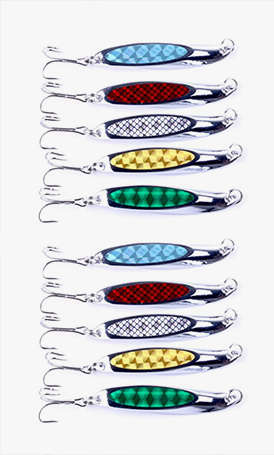
I’ve had my fair share of failures with soft plastics too. One time, I was fishing on Lake Travis in Texas, and the water temp was 72°F. I tried every soft plastic in my tackle box—worms, craws, swimbaits—but I couldn’t get a single bite. Frustrated, I decided to switch to a Hard Baits like a spinnerbait, and I caught 5 bass in the next hour. That day taught me that it’s important to be flexible and switch up your lures if what you’re using isn’t working.
Another time, I was fishing on Lake Okeechobee and I was using a wacky rig with a green pumpkin Senko. I had caught a few bass already, but then the wind picked up and the water got choppy. I continued to use the same rig, but I couldn’t get any more bites. I realized that the choppy water was making it hard for the bass to see the wacky rig, so I switched to a Texas rig with a darker-colored lure. The bass started biting again almost immediately. That day taught me that it’s important to adjust your rigging and lure color based on the conditions.
One of the biggest mistakes I see new anglers make is using the wrong size hook. If the hook is too small, the bass can easily throw it, and if it’s too big, it can make the lure look unnatural. I always make sure to use a hook that’s the right size for the lure I’m using. For example, I use a 3/0 hook for a 5-inch worm and a 1/0 hook for a 3-inch grub.
Final Thoughts on Soft Plastics
After 20 years of fishing, I can honestly say that soft plastics are one of the most effective tools in my tackle box. They’re versatile, affordable, and easy to use, which makes them perfect for both beginners and experienced anglers alike. Whether I’m fishing in the clear lakes of Michigan or the murky swamps of Florida, I always make sure to have a selection of soft plastics on hand.
So the next time you’re out on the water and the Hard Baits aren’t working, give soft plastics a try. You might be surprised at how well they work. And remember—fishing is all about trial and error, so don’t be afraid to experiment with different rigging techniques and lure colors until you find what works for you.
Here’s a small actionable tip for you: Next time you go fishing, tie on a wacky rig with a green pumpkin Senko and fish it near docks or bridges. This is a proven setup that works in almost every lake in the US. I guarantee you’ll catch more bass than you ever thought possible.


