






That Okeechobee Swamp Session That Changed Everything
Let me take you back to a muggy June morning on Lake Okeechobee, Florida. The sun was still low, painting the sky in burnt orange, and the air hung thick with the smell of swamp mud and sawgrass. My buddy Jake and I had been fishing here for three days straight, and honestly, we were getting skunked pretty bad. Water temp was sitting at 82°F, the bass were deep in the hydrilla beds, and nothing we tried—worms, spinnerbaits, even those fancy soft plastics everyone raves about—was getting a bite.
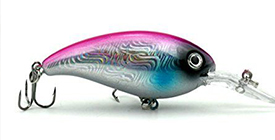
I was about to call it a morning and head to the dock for coffee when Jake pulled out this beat-up Crank Lure from his tackle box. It was dented, had a few chips in the paint, and the hooks were so rusted I didn’t think they’d hold a minnow, let alone a bass. “Give this a try,” he said, grinning like he knew something I didn’t. “It’s saved my skin more times than I can count.”
Why Hard Baits Deserve a Spot in Every Angler’s Tackle Box
Look, I know what a lot of guys say about hard baits. “They’re too expensive.” “They get snagged too easy.” “Soft plastics are just more effective.” And sure, I get it—soft plastics have their place. But let me tell you, when it comes to covering water fast and triggering those aggressive strikes from big bass, hard baits are in a league of their own.
Take that Okeechobee trip, for example. We’d been flipping soft plastics into the hydrilla beds for hours, and the bass were ignoring us. But that crank lure? It was diving down to where the bass were holding, bouncing off the bottom, and creating just enough commotion to make those fish strike. And that’s the beauty of hard baits—they can get into spots that soft plastics just can’t reach, and they mimic the natural movement of baitfish in a way that triggers that primal predatory instinct in bass.
Another reason I love hard baits is their versatility. Whether you’re fishing shallow flats on Lake Michigan, deep drop-offs on Lake Texoma, or brackish estuaries along the Texas coast, there’s a hard bait out there that’ll work. From shallow-running Crank Lures to deep-diving plugs, topwater poppers to jerkbaits, hard baits can cover almost every depth and water condition you’ll encounter as an angler.
My Go-To Hard Baits for Every Fishing Situation
Topwater Poppers for Early Morning and Late Evening
When the sun is low and the bass are feeding on the surface, there’s nothing more exciting than throwing a topwater popper. I remember one evening on Lake Texoma, just before sunset, when the wind died down and the water was as calm as glass. I tied on a white popper, cast it out towards a patch of lily pads, and started popping it slowly. The first cast, nothing. The second cast, nothing. On the third cast, a bass exploded out of the water and took the popper right off the surface. It was a 4-pound smallmouth, and the fight was incredible.
Topwater poppers work best when the water temp is between 65°F and 75°F, and the bass are feeding on insects or small baitfish near the surface. I like to use them in the early morning or late evening, when the light is low and the bass are more active. And if you’re fishing in a lake with a lot of structure—like lily pads or fallen trees—topwater poppers can be a great way to trigger strikes from bass that are hiding in the shade.
Crank Lures for Covering Water Fast
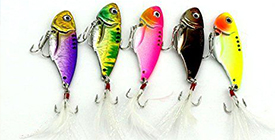
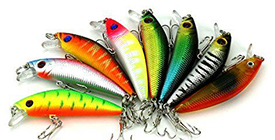
When I need to cover a lot of water quickly and find where the bass are holding, I reach for a crank lure. I used one of these bad boys on that Okeechobee trip, and it saved our entire trip. Crank lures are designed to dive down to a specific depth and stay there, which means you can cover a lot of ground in a short amount of time.
One of my favorite places to use crank lures is Lake Michigan, where the bass are often holding near drop-offs and rock piles. Water temp is usually around 68°F in the summer, and the bass are feeding on alewives and shad. I’ll cast the crank lure out towards a drop-off, let it sink to the bottom, then reel it in with a steady, medium speed. The crank lure bounces off the rocks and creates a lot of vibration, which attracts the bass and triggers them to strike.
Another great thing about crank lures is that they’re incredibly durable. I’ve been using the same set of Crank Lures for years, and they still catch fish like they’re brand new. They don’t get torn up like soft plastics, and they can withstand a lot of abuse from big bass.
Jerkbaits for Cold Water Fishing
When the water gets cold—like 55°F or lower—bass become a lot less active. They’re still feeding, but they’re not willing to chase after fast-moving baits. That’s where jerkbaits come in. Jerkbaits are designed to be fished slow and erratic, which mimics the movement of a wounded baitfish. This is exactly what bass are looking for in cold water.
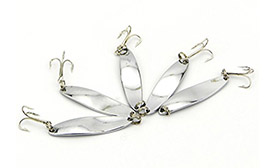
I remember one January morning on the Trinity River in Texas, when the water temp was 52°F and the air was so cold my hands were numb. I tied on a silver jerkbait, cast it out towards a deep pool, and started jerking it slowly. The first few casts, nothing. But on the fifth cast, I felt a subtle tap, set the hook, and hauled in a 3-pound bass that was so lethargic it didn’t even fight back. That day, I caught six more bass—all on that same jerkbait.
Jerkbaits work best in clear water, where the bass can see the bait from a distance. I like to use them in the winter and early spring, when the bass are holding in deep pools or near submerged rocks. And if you’re fishing in a lake with a lot of structure—like docks or fallen trees—jerkbaits can be a great way to trigger strikes from bass that are hiding in the shade.
The One Time I Screwed Up with Hard Baits (and What I Learned)
Look, I’m not perfect. I’ve made my fair share of mistakes with hard baits over the years. One of the biggest ones happened on Lake Lanier, Georgia, a few years ago. I was fishing in a cove with a lot of submerged trees, and I was using a deep-diving crank lure. I cast it out towards a tree, let it sink to the bottom, and started reeling in fast. The next thing I knew, my line went tight, and I thought I had a monster bass.
I set the hook, and instead of a bass, I hauled in a huge piece of tree bark. The crank lure was completely tangled in the bark, and when I tried to pull it free, the line snapped. I lost not only the crank lure but also my favorite fishing rod. I was so mad I almost threw my tackle box in the lake.
But that mistake taught me a valuable lesson: you can’t just cast a hard bait anywhere and expect to catch fish. You have to be strategic. You have to pay attention to the structure of the lake, the water temp, and the behavior of the bass. And if you’re fishing in an area with a lot of submerged trees or rocks, you have to be careful not to cast too close to them. Otherwise, you’ll end up losing your bait (and maybe your rod) like I did.
How to Choose the Right Hard Bait for Your Fishing Trip
With so many different hard baits on the market, it can be overwhelming trying to choose the right one. But don’t worry—I’ve got you covered. Here are a few things to keep in mind when selecting a hard bait:
- Water Temp: As I mentioned earlier, water temp plays a big role in how bass behave. In warm water (75°F and above), bass are more active and will chase after fast-moving baits like crank lures and topwater poppers. In cold water (55°F and below), they’re less active and prefer slow-moving baits like jerkbaits.
- Water Clarity: Clear water means bass can see your bait from a distance, so you’ll want to use baits with natural colors like silver or green. In murky water, bass rely more on their sense of touch and vibration, so you’ll want to use baits with bright colors like red or chartreuse.
- Structure: If you’re fishing in an area with a lot of structure—like submerged trees, rocks, or docks—you’ll want to use baits that are less likely to get snagged. Crank lures with rounded heads are great for bouncing off rocks, while jerkbaits with narrow bodies are perfect for fishing around trees.
- Baitfish: The type of baitfish in the lake will also influence your choice of hard bait. If the bass are feeding on shad, you’ll want to use a shad-shaped crank lure or jerkbait. If they’re feeding on bluegill, you’ll want to use a bait with a bluegill pattern.
My Favorite Hard Bait Techniques That Always Work
Now that you know how to choose the right hard bait, let’s talk about how to fish them. Here are a few of my favorite techniques that always seem to work:
- The Steady Retrieve: This is the most basic technique for fishing hard baits. Simply cast the bait out, let it sink to the desired depth, then reel it in with a steady, medium speed. This works great for crank lures and topwater poppers.
- The Bounce Retrieve: This technique is great for fishing around rocks or submerged trees. Cast the bait out, let it sink to the bottom, then reel it in with a slow, steady speed. Every few feet, let the bait bounce off the bottom. The vibration from the bounce will attract the bass and trigger them to strike.
Hard Baits: Not Just for Bass
While I’ve been talking a lot about bass, hard baits aren’t just for them. They work great for a variety of other fish species too. For example, if you’re fishing in the Gulf of Mexico, you can use a topwater popper to catch redfish or trout. If you’re fishing in the Pacific Northwest, you can use a crank lure to catch salmon or steelhead. And if you’re fishing in a Saltwater Systems, you can use a jerkbait to catch snapper or grouper.
One time, I was fishing off the coast of Texas in the Gulf of Mexico, and I was using a silver topwater popper. I cast it out towards a school of mullet, and within seconds, a redfish exploded out of the water and took the popper right off the surface. The fight was incredible—redfish are known for their strength and agility—and after a few minutes, I hauled it in. That day, I caught three more redfish—all on that same topwater popper.
The Importance of Maintaining Your Hard Baits
Look, hard baits are an investment. A good crank lure or jerkbait can cost anywhere from $10 to $30, so you want to make sure you take care of them. Here are a few tips for maintaining your hard baits:
- Check the Hooks: After every fishing trip, check the hooks on your hard baits for rust or damage. If they’re rusted, replace them. If they’re dull, sharpen them with a hook sharpener.
- Clean the Bait: After every use, rinse your hard baits in fresh water to remove any salt or dirt. This will prevent them from rusting and keep them looking like new.
- Store Them Properly: Store your hard baits in a tackle box with dividers to prevent them from getting tangled or scratched. You can also use silica gel packets to absorb moisture and prevent rust.
- Replace Worn Parts: If the split rings or treble hooks on your hard baits are worn out, replace them. Worn parts can cause your bait to spin incorrectly or fall off your line.
Final Thoughts: Why Hard Baits Are Here to Stay
After 20 years of fishing across the US, I can honestly say that hard baits are one of the most effective tools in an angler’s tackle box. They’re versatile, durable, and can trigger strikes from big bass in almost any water condition. And while soft plastics have their place, there’s nothing quite like the feeling of setting the hook on a big bass that’s taken a hard bait right off the surface.
So if you’re looking to up your fishing game, I suggest you give hard baits a try. Start with a few basic ones—like a crank lure, a topwater popper, and a jerkbait—and experiment with different techniques. You might be surprised at how well they work.
Actionable Tip: Test Your Hard Baits for Depth Before You Fish
Before you head out on your next fishing trip, take a few minutes to test your hard baits for depth. Tie the bait onto your line, and let it sink to the bottom of a swimming pool or a bucket of water. Count how long it takes for the bait to sink to the bottom. This will give you a good idea of how deep the bait will dive in real water, and it’ll help you choose the right bait for the fishing conditions.


