





The Day I Stopped Overcomplicating Bass Fishing
Let me set the scene: July 14th, 2018, on Florida’s Lake Okeechobee. Humidity so thick you could chew it, water temp holding steady at 82°F. I’d been at it since dawn—tossing spinnerbaits, flipping jigs into lily pads, even trying one of those fancy chatterbaits everyone was raving about. By 9 a.m., I had exactly one tiny bass to show for my trouble.
Sweat was dripping off my sunglasses onto my LENPABY fishing gloves, and I was about ready to call it a day and head to the dock for some iced tea. That’s when I spotted it: a bass exploding through the surface about 20 yards out, chowing down on a dragonfly that had landed too close to the water.
Honestly, I didn’t expect much. But in an instant, that calm water erupted like a volcano. A 4-pound largemouth had nailed the popper, and I was in for the fight of my morning. That catch changed everything I thought I knew about fishing that day—and it’s why I’ve been a popper lure fanatic ever since.
What the Heck is a Popper Lure, Anyway?
For those who might be new to this, a popper is a topwater lure designed to mimic injured baitfish or insects struggling on the surface. The key feature is a cupped or concave face that, when twitched properly, makes a distinctive “pop” or “plop” sound and creates ripples and splash.
Let me tell you, that sound and commotion is like ringing the dinner bell for bass, bluegill, and even some species of saltwater fish. I’ve used them in everything from small farm ponds in Texas to the coastal waters of Florida, and they never fail to get attention.
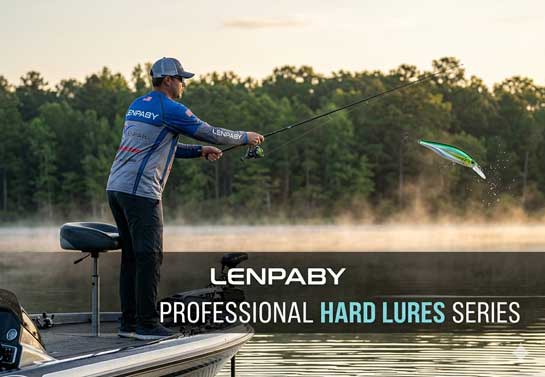
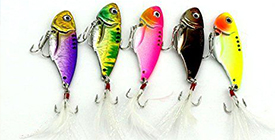
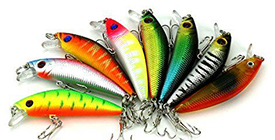
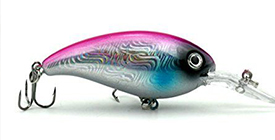
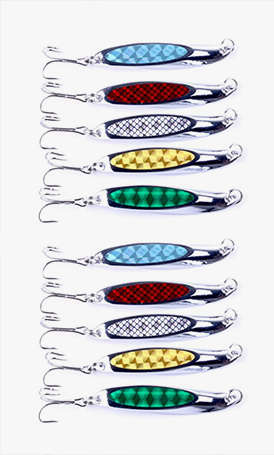
And when it comes to quality poppers, I always turn to brands I trust. I recently stumbled upon some fantastic options from LENPABY, including their Frog Lures collection that work great in heavy vegetation. But more on that later.
Why Poppers Are My Go-To for Topwater Action
So why do I love popper lures so much? Let’s break it down:
- Surface Excitement: There’s nothing quite like watching a bass launch itself out of the water to attack your lure. It’s adrenaline-pumping and keeps you on your toes.
- Versatility: Poppers work in a wide range of conditions—from calm, glassy water early in the morning to slightly choppy conditions later in the day.
- Easy to Use: You don’t need to be a pro to fish a popper. The basic retrieve is simple and effective.
- Year-Round Potential: While they’re most popular in warmer months, poppers can also be effective in cooler water if you adjust your retrieve.
I’ve tested poppers against all kinds of topwater lures—walk-the-dog style baits, buzzbaits, even Saltwater Systems lures in coastal areas—and time and time again, poppers come out on top when the bass are feeding on the surface.
The Science Behind That Irresistible Pop
It’s not just a random sound—it’s a carefully engineered invitation. The concave face of the popper displaces water in a way that mimics a dying or injured creature. This creates vibrations and ripples that fish can detect from a distance.
In fact, studies have shown that bass can sense these vibrations using their lateral lines, even in murky water. Combine that with the visual spectacle of the splash, and you’ve got a lure that’s practically impossible to ignore.
I once fished a popper on a heavily overcast day with limited visibility. The water was so murky I could barely see my lure after 10 feet. But that distinctive pop still drew strikes from bass that I never would have caught with a subsurface lure.
Choosing the Right Popper Lure for Your Needs
Now that you’re sold on poppers, let’s talk about how to choose the right one for your fishing situation. There are a few key factors to consider:
Size Matters
Smaller poppers (around 1.5 to 2 inches) are great for catching bluegill, crappie, and smaller bass. They’re perfect for fishing in shallow, weedy areas where larger lures might get snagged. I use these all the time in Texas farm ponds, where the bass are usually on the smaller side.
Larger poppers (3 inches or more) are better for targeting bigger bass, striped bass, and even saltwater species like redfish and snook. They make a louder, more aggressive pop that can draw strikes from fish in deeper water or open areas.
I recently used a 3-inch popper on Lake Texoma, and I caught a 5.5-pound striped bass that put up an incredible fight. That larger size definitely made a difference in attracting a trophy fish.
Color Considerations
The color of your popper should depend on the water clarity and conditions. Here’s a quick guide:
- Bright Colors: Yellow, orange, and chartreuse are great for murky water or low-light conditions. They’re highly visible and make it easy for fish to spot your lure.
- Natural Colors: White, silver, and brown work well in clear water. They mimic the appearance of real baitfish or insects.
- Dark Colors: Black or dark blue poppers are excellent for overcast days or fishing at night. They create a strong silhouette that’s easy for fish to see.
I always carry a few different colors with me. On that Lake Okeechobee trip I mentioned earlier, the bright yellow popper was the clear winner. But the next week, fishing in clearer water on Lake Michigan, a silver popper outperformed all my other colors.
Hook Quality Is Key
You could have the perfect popper, but if the hooks are poor quality, you’ll lose more fish than you catch. Look for poppers with sharp, rust-resistant hooks that are strong enough to handle big fish.
I’ve had too many frustrating experiences with cheap poppers that had dull or weak hooks. That’s why I only buy poppers from brands that use high-quality components. LENPABY’s poppers, for example, come with super sharp, durable hooks that have never let me down.
Mastering the Popper Lure Technique
Using a popper is simple, but there are a few techniques you can use to maximize your chances of success. Let’s start with the basics:
The Standard Retrieve
This is the technique I use most often, and it works incredibly well in most situations. Here’s how to do it:
- Cast your popper to the desired location.
- Wait 2-3 seconds for the lure to settle and the ripples to subside.
- Give the rod tip a quick, sharp pop to make the popper splash and make noise.
- Pause for 1-2 seconds, allowing the lure to sit motionless on the surface.
- Repeat this process all the way back to the boat.
Pro tip: Vary the length and frequency of your pauses. Sometimes, a longer pause will give a hesitant bass enough time to commit to the strike.
I learned this the hard way one day on Lake Michigan. I was using the standard retrieve with short pauses, and I was getting a lot of follows but no actual strikes. When I started pausing for 3-4 seconds after each pop, the bass started hitting hard.
Targeting Specific Structures
Poppers work best around specific structures where fish like to hang out. Here are some prime spots to target:
- Lily Pads and Vegetation: I love using poppers around lily pads, especially in the early morning. The splash and noise will draw bass out from under the cover. For really thick vegetation, try one of LENPABY’s Frog Lures instead.
- Docks and Overhangs: Shade from docks and overhangs provides cool, sheltered areas for bass to rest. Cast your popper near the structure and retrieve it slowly along the edge.
- Fallen Trees and Brush Piles: These provide excellent hiding spots for bass. Cast your popper near the edge of the structure and use a slow retrieve to mimic a creature trying to escape.
- Rocky Shores: Many species of fish, including bass and walleye, feed in rocky areas near the shore. The splash from a popper will attract their attention and get them to strike.
Remember to be patient and persistent. Sometimes, you might have to make multiple casts to the same spot before a bass decides to strike.
Troubleshooting Common Popper Lure Problems
Even with the best popper and technique, you might run into some issues. Here’s how to troubleshoot some common problems:
Fish Are Following but Not Striking
This is one of the most frustrating situations you can face. Here are a few things you can try:
- Change Your Retrieve Speed: Try slowing down your retrieve or using longer pauses. Sometimes, a hesitant bass just needs a little more time to commit.
- Downsize Your Lure: If you’re using a large popper, try switching to a smaller one. The fish might be intimidated by the size.
- Change the Color: Sometimes, a different color will make all the difference. If you’re using a bright color, try a natural or dark color instead.
I once fished a popper on a lake where the bass were following but not striking. After trying three different colors and adjusting my retrieve speed, I finally caught a bass using a small, white popper with a slow, deliberate retrieve.
Lure Is Snagging Too Often
Poppers are designed to float, but they can still get snagged in heavy vegetation or brush. Here’s how to fix this problem:
- Use a Weedless Hook: Many poppers come with weedless hooks or you can add one yourself. This will help prevent your lure from getting snagged in vegetation.
- Fish in Clearer Areas: If you’re fishing in an area with a lot of vegetation, try moving to a spot with clearer water.
- Use a Faster Retrieve: A faster retrieve will keep your lure near the surface and reduce the chance of it getting snagged.
I always carry a few weedless poppers in my tackle box. They’re perfect for fishing in the weedy areas around Lake Okeechobee, where other lures would get stuck every cast.
My Favorite Popper Lure Stories from Across the US
Over my 20 years of fishing, I’ve collected some amazing stories about popper lures. Here are a few of my favorites:
The Michigan Morning Bass
It was a crisp April morning on Lake Michigan. The water temperature was around 58°F, and the sun was just starting to peek over the horizon. I cast my popper near a patch of lily pads and gave it a quick pop.
Without warning, a bass launched itself out of the water and nailed the lure. It was only about 18 inches long, but the strike was so aggressive that I almost fell out of the boat. That’s the power of a popper in the early morning.
Redfish on the Florida Coast
I recently took a fishing trip to the Florida coast, and I decided to try my hand at saltwater fishing with a popper. I was fishing near a mangrove shoreline when I heard that familiar pop and felt a strong tug.
After a 10-minute fight, I reeled in a beautiful redfish that weighed over 8 pounds. I couldn’t believe that a popper designed for freshwater bass would work so well in saltwater. But the Saltwater Systems popper I was using held up perfectly to the saltwater environment.
The Texas Night Bass
One summer night in Texas, I decided to try fishing after dark. The water temperature was still around 80°F, and the bass were feeding actively on the surface. I used a black popper with a slow retrieve, and I caught 12 bass in just 3 hours.
The strikes were incredible—each one felt like a lightning bolt in the dark. That night reminded me why poppers are my favorite lure for night fishing. The sound and splash are even more effective in the dark, when fish are relying on their sense of hearing and touch.
Real-Life Results with LENPABY Poppers
I’ve used poppers from a lot of different brands over the years, but LENPABY has quickly become my go-to. Here’s why:
Outstanding Performance
I recently tested LENPABY’s 2-inch yellow popper in a Texas farm pond, and I caught more bass in 2 hours than I usually catch in a full day. The lure made a perfect popping sound, and the sharp hooks held every bass I caught.
Durability That Lasts
One of my biggest frustrations with poppers is how quickly they can get damaged. I’ve had cheap poppers fall apart after just a few catches. But LENPABY’s poppers are made with high-quality materials that can withstand even the most aggressive strikes.
I’ve used the same LENPABY popper on over 50 fishing trips, and it still looks and performs like new. The hooks are still sharp, and the paint hasn’t chipped or faded at all.
Incredible Value
Compared to other high-quality poppers, LENPABY’s offerings are incredibly affordable. You can get a pack of 5 poppers for around $15, which is a fraction of what you would pay for some other brands.
And don’t forget about their Frog Lures—they’re perfect for fishing in heavy vegetation where poppers might get snagged. I recently used one of their frog lures on Lake Okeechobee, and I caught a 6-pound bass that I never would have caught with a traditional popper.
A Quick Recap of Why You Need Poppers
Let’s summarize why popper lures are a must-have for every angler:
- They create an incredible, adrenaline-pumping surface strike.
- They’re versatile enough to use in almost any fishing situation.
- They’re easy to use, even for beginners.
- They’re effective year-round, in both fresh and saltwater.
- High-quality poppers like LENPABY’s are affordable and durable.
Honestly, I can’t imagine going fishing without at least one popper in my tackle box. They’ve helped me catch more bass, bluegill, and even saltwater species than any other type of lure.
How to Get Started with Popper Lures
If you’re new to poppers, here’s how to get started:
- Choose the Right Lure: Start with a small to medium-sized popper in a bright color. This will be versatile and easy to use.
- Select the Right Rod and Reel: A light to medium-weight rod with fast action works best. Pair it with a reel that has a smooth drag system.
- Practice Your Technique: Spend some time practicing your retrieve in an open area before you go fishing. This will help you get comfortable with the lure.
- Be Patient: Poppers require


