





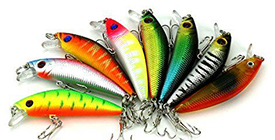
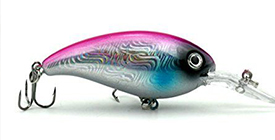
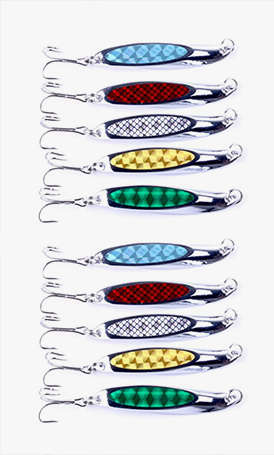

Alright, buddy. Let me start this by telling you a story about the most frustrating—and eventually the most rewarding—squid fishing trip of my 20 years on the water. It was a crisp October morning on Lake Michigan, near the shore of Manitowoc, Wisconsin. The air temp hovered around 52°F, and the lake water was sitting at a cool 58°F. The wind was steady at about 10 mph from the northwest, making little whitecaps dance across the surface. I’d driven 12 hours from my home in Texas just to chase these elusive critters, and I was sure this was going to be the day I’d bring home a cooler full of squid.
I spent the first two hours casting every lure in my tackle box—from jigs to spoons, even tried a random spinner I’d picked up at a gas station the night before. Nothing. Not a single nibble. I was starting to doubt my decision to make the trip. That’s when I spotted an old guy in a beat-up aluminum boat a hundred yards or so away. He was hauling squid in like it was his job, which, for all I knew, it was. I motored over, keeping a respectful distance, and called out to him.
“Hey there! Any chance you’d share what you’re using?” I yelled over the wind.
He smiled and held up a squid jig—nothing fancy, just a simple plastic body with glow-in-the-dark features. “This little guy’s been my secret weapon for 25 years,” he said. “Glow-in-the-dark is a must this time of year. The water’s getting dark, and squid can’t resist that glow.”
I thanked him, motored back to my spot, and pulled out the only squid jig I had in my tackle box—a cheap one I’d bought on a whim years ago and forgot about. I cast it out, let it sink to about 20 feet, and started a slow, steady retrieve with a few twitches every now and then. Within five minutes, I felt a soft tug—followed by a much stronger one. I reeled in my first squid of the trip, and from that point on, the bite was on. By the time I called it a day at dusk, I had over 30 squid in my cooler. That old guy and his simple tip had turned my worst fishing trip into my best.
What’s a Squid Jig, and Why Should You Care?
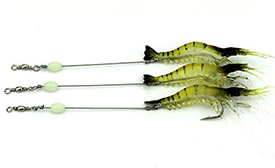
Now, you might be thinking, “What’s the big deal about a squid jig? Can’t I just use a regular lure?” Well, honestly, you could try. But squid are a unique target. They use their tentacles to grab prey, not their mouths, so the way they interact with lures is different from how fish do. A squid jig is specifically designed to mimic a small shrimp or other crustacean that squid love to eat. It’s got a plastic or silicone body, often with glow-in-the-dark features, and a hook that’s shaped to fit into a squid’s tentacles.
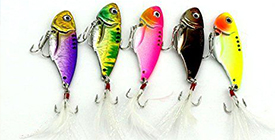
I’ve used Penceil Vib Lures for bass fishing in Texas, and those little vibes have put more fish in my boat than any other lure. But when it comes to squid, they just don’t cut it. The shape, color, and movement are all wrong. Squid jigs are specifically designed for squid, and if you want to catch them consistently, you need to have the right tool for the job.
Glow-in-the-Dark Features: A Must for Low-Light Conditions
One thing that I’ve learned over the years is that squid jigs with glow-in-the-dark features are a game-changer, especially in low-light conditions. Whether it’s early morning, late evening, or the water is dark and murky (like it was on that trip to Lake Michigan), squid are attracted to light. The glow from the jig acts as a beacon, drawing them in from far away.
Another great time to use glow-in-the-dark squid jigs is when you’re fishing in deeper waters, like the 60-70 feet depths of Lake Okeechobee in Florida. The water gets so dark down there that even the strongest sunlight can’t penetrate. A glow-in-the-dark jig will stand out like a neon sign in a dark alley, making it impossible for squid to miss.
Action: Slow, Steady, and a Little Twitchy
Once you’ve got the right squid jig, the next thing you need to master is the retrieve. Squid jigs are meant to be retrieved slowly and steadily, with occasional twitches or pauses to mimic a wounded or dying prey. I’ve tried fast, erratic retrieves, and let me tell you—they don’t work. The first time I tried that, I ended up tangling my line more times than I can count, and didn’t catch a single squid.
The key is to let the jig sink to the right depth first. Depending on the time of year and the location, squid can be anywhere from 10 to 70 feet deep. Once it’s at the right depth, start a slow retrieve with your rod tip pointing down. Every 10 or 15 feet, give the rod a quick twitch to make the jig dart to the side, then let it pause for a second or two before continuing the retrieve. This movement is what triggers a squid’s feeding instinct.
Finding the Right Depth with a Depth Finder
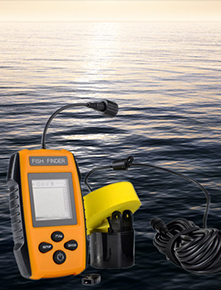
Speaking of depth, investing in a good depth finder can make a huge difference in your squid fishing success. I’ve been using the same Garmin STRIKER Vivid 7cv for the past three years, and it’s been a game-changer. It shows me exactly where the squid are, so I don’t have to waste time guessing. I just drop my jig to that depth and start retrieving. It’s saved me so much time and frustration, and made my fishing trips much more productive.
Even if you don’t have a fancy depth finder, you can still find the right depth by experimenting. Try casting your jig out, letting it sink for a few seconds, and then retrieving. If you don’t get a bite after a few casts, let it sink a little deeper next time. Keep doing this until you find the depth where the squid are hiding.
Targeting Squid at the Right Time of Year
Squid fishing isn’t just a year-round activity. There are certain times of year when squid are more active and more likely to bite. In most parts of the country, squid fishing is best in the fall and winter months, when the water temperature is between 50 and 60°F. That’s when squid are spawning, and they’re looking for easy prey.
In Texas, my home state, squid fishing is best from October to December in places like Lake Texoma and the Galveston Bay area. The water temperature during those months hovers around 55°F, which is perfect for squid. I’ve had some of my best days on the water during these months, including a trip to Lake Texoma where I caught over 50 squid in just four hours.
The Best Time of Day to Catch Squid
Now, even if you’re fishing during the right month, you still need to fish at the right time of day. Squid are nocturnal creatures, meaning they’re most active at night and during low-light conditions. The best times to catch them are early in the morning, just before sunrise, or late in the evening, just after sunset. I’ve also had good luck fishing during cloudy days, when the light penetration in the water is low.
Another great time to catch squid is during high tide. The water is deeper and calmer, which makes it easier for squid to move around and look for food. I’ve had some of my best trips to the Delaware River during high tide, catching squid in the shallow waters near the shore. The water was only about 15 feet deep, and the bite was on from sunrise to about 10 a.m.
Cleaning and Preparing Your Catch
Here’s a step-by-step guide to cleaning a squid:
- Grab the head and gently pull it away from the body. This will usually pull out the internal organs as well.
- Use your finger or a spoon to scrape away any remaining internal organs from the body.
- Remove the transparent quill (or gladius) from inside the body by gently pulling it out from the front of the body.
- Rinse the body thoroughly under cold water to remove any remaining ink or debris.
- Next, clean the head. Cut off the eyes and beak, and discard them.
- Rinse the head thoroughly under cold water.
Now, you might be wondering what to do with all that ink you see inside the squid. Well, don’t throw it away! Squid ink is actually a delicacy in many parts of the world, and can be used to make ink pasta, sauces, and even soups. Just make sure you don’t get it on your hands or clothes—it’s very hard to wash off!
Cooking Delicious Squid: From Frying to Grilling
Once your squid is cleaned, the possibilities are endless. Squid can be fried, grilled, sautéed, or even served raw in sushi or sashimi. My personal favorite is fried squid with a side of marinara sauce. Here’s a simple recipe that I’ve been using for years:
- Ingredients:
- 1 pound cleaned squid, cut into rings
- 1 cup all-purpose flour
- 1 teaspoon salt
- 1 teaspoon black pepper
- 1 teaspoon paprika
- 1 egg, beaten
- 1 cup bread crumbs
- Vegetable oil for frying
- Marinara sauce for dipping
- Instructions:
- In a shallow dish, mix together the flour, salt, pepper, and paprika.
- In another shallow dish, beat the egg.
- In a third shallow dish, add the bread crumbs.
- Dredge each squid ring in the flour mixture, then dip it in the egg, and finally coat it in the bread crumbs.
- Heat the vegetable oil in a large skillet over medium-high heat.
- Fry the squid rings for 2-3 minutes on each side, or until they’re golden brown and crispy.
- Remove the squid rings from the skillet and place them on a paper towel-lined plate to drain any excess oil.
- Serve hot with marinara sauce for dipping.
This recipe is so simple and delicious, and it’s always a hit with my family and friends. I’ve even made it for potlucks, and everyone asks me for the recipe.
Another great way to cook squid is to grill it. Just brush the squid with olive oil, season with salt and pepper, and grill it over medium heat for 2-3 minutes on each side. Serve it with a squeeze of lemon juice and some fresh herbs, like basil or oregano. It’s a healthy and flavorful way to enjoy squid.
My Favorite Squid Jigs and Why I Love Them
Over the years, I’ve tried almost every squid jig on the market, and I’ve found that there are a few brands and models that stand out from the rest. Here are my top three favorites:
1. Yo-Zuri Squid Jig F117 – Glow-in-the-Dark with Feathers
This is hands down my favorite squid jig of all time. It has a glow-in-the-dark plastic body, a metal hook, and a soft plastic skirt that mimics the movement of a shrimp. The glow-in-the-dark features make it perfect for low-light conditions, and the soft plastic skirt adds a lot of vibration to the lure, which helps attract squid from far away.
I’ve used this jig in Lake Okeechobee in Florida, and caught over 20 squid in a single morning with it. The glow was so bright that even in the dark water, I could see it when it was a few feet away from the boat.
2. LINGUILE Squid Jig 20g – Unique Shape and Design
This squid jig is a little more expensive than the Yo-Zuri, but it’s worth every penny. It has a unique shape that’s designed to mimic the movement of a small fish, and it’s painted in a bright, neon color that’s almost impossible for squid to resist. I’ve used this jig in the Galveston Bay area in Texas during a cloudy day, and caught 40 squid in about three hours.
The bright neon color made it easy to see in the water, even when it was 20 or 30 feet deep. And the unique shape caused it to dart in all directions when I twitch my rod, which triggered a feeding frenzy among the squid.
3. Mustad DuraSteel Squid Jig – Affordable and Reliable
If you’re just getting into squid fishing and don’t want to spend a lot of money, this squid jig is a great option. It’s a basic glow-in-the-dark jig with a plastic body and a metal hook. I’ve used this jig in Lake Texoma in Texas, and caught 15 squid in a single evening. It’s not the fanciest squid jig on the market, but it gets the job done.
One thing to keep in mind, though—this jig is a little lighter than the other two I mentioned, so it might not sink as fast. If you’re fishing in deeper waters, you might want to use a heavier jig or add a small weight to your line.
Choosing the Right Squid Jig for Your Needs
With so many options on the market, choosing the right squid jig can be overwhelming. The key is to consider your fishing style and your local conditions. Here are some factors to consider when choosing a squid jig:
Fishing Style and Technique
Your fishing style will also play a role in which squid jig you should choose. If you’re someone who likes to cast and retrieve, you might want to choose a lighter jig with a smaller size and a plastic skirt. If you’re someone who likes to troll, you might want to choose a heavier jig with a metal hook and a larger body.
Glow-in-the-Dark vs. Neon Colors
Both glow-in-the-dark and neon colors are effective for catching squid, but which one you should choose depends on your local conditions. If you’re fishing in low-light conditions, like early morning or late evening, glow-in-the-dark is a must. If you’re fishing in clear water with a lot of sunlight, a neon color might be more effective, as it’s easier to see.
Another thing to keep in mind is that some squid jigs are painted in a combination of glow-in-the-dark and neon colors. This is a great option if you’re not sure which color to choose, as it covers all bases.
Body Type and Hook Design
For example, if you’re targeting small squid, you might want to use a jig with a plastic hook, as it’s less likely to injure the squid. If you’re targeting larger squid, you might want to use a jig with


