






It was the third week of March on Lake Texoma, right on the Texas-Oklahoma border. The sky was a flat, overcast gray, and a thin mist hung just above the water. I’d been out since dawn, my boots caked in mud from slogging through the marshy banks, and I hadn’t felt a single bite. My tackle box was open at my feet, filled with a jumble of Soft Lures—worms, grubs, curly tails—I’d been rotating through all morning. Water temp was 58°F, the bass were just starting to stir from their winter lull, and nothing I tried was piquing their interest.
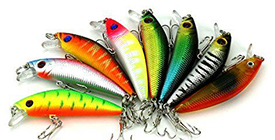
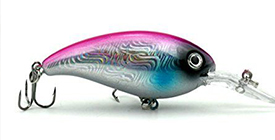
Let me tell you, when you’ve been fishing for 20 years, you start to get a sixth sense about these things. I felt like I was missing something. So I dug through the bottom of my tackle box, where I stashed the Hard Baits I don’t pull out unless I’m desperate. I grabbed an old crankbait—chipped paint, rusted hooks, the kind of lure that looks like it’s seen more sunrises than most fishermen. I tied it on, cast it out into the deep channel near the dam, and let it sink for three seconds before I started a slow, steady retrieve.
Honestly, I didn’t expect much. But halfway through that first retrieve, I felt a jolt that nearly pulled the rod out of my hands. The bass hit so hard I thought I’d snagged a tree branch—until it started thrashing. It was a 4-pound largemouth, fat and healthy, and it fought like it was defending its territory. That’s the day I rediscovered why Hard Baits will always have a spot in my tackle box. They’re not just lures—they’re tools that can turn a slow day into a story you tell at the bait shop for months.
Why Hard Baits Beat Soft Lures on Some Days
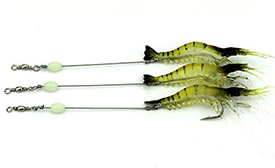
I love Soft Lures—don’t get me wrong. They’re versatile, easy to use, and they work great when the bass are in a finicky mood. But Hard Baits? They have a unique advantage. They mimic the natural prey fish eat—minnows, shad, crawfish—with a level of detail and action that soft plastics just can’t match.
Take that day on Lake Texoma. The water was still cold, and the bass were lethargic. They didn’t want to chase a fast-moving soft lure. But that crankbait? It had a deep, throbbing rattle that cut through the cold water, and its body wobbled with just enough action to trigger an instinctive strike. I caught three more bass that morning on that same old lure—two 3-pounders and a 5-pound beauty that’s now framed on my wall.
The Different Types of Hard Baits Every Fisherman Needs
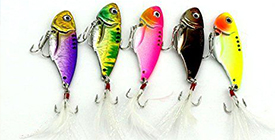
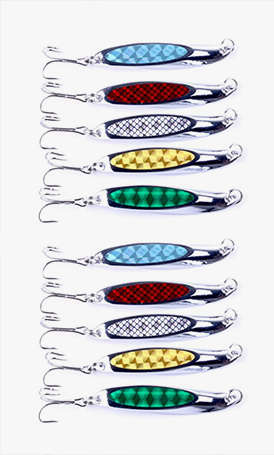
Hard Baits aren’t a one-size-fits-all solution. There are a few key types you need to have in your tackle box, each designed for specific situations. Let’s break them down.
Crankbaits: The All-Around Workhorse
Crankbaits are my go-to when I don’t know what else to use. They come in different sizes and depths, from shallow-running models that skip across the surface to deep-divers that reach 20 feet or more. The one I used on Lake Texoma was a deep-diving crankbait—perfect for the cold, deep water near the dam.
Here’s a pro tip: When fishing with crankbaits, pay attention to the water temp. If it’s below 60°F, use a slow, steady retrieve. If it’s above 70°F, speed things up a bit—bass get more active as the water warms up.
Spinnerbaits: For Cover and Aggression
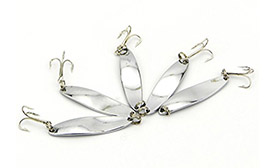
Spinnerbaits are great for fishing around cover—rocks, logs, grass beds. The spinning blades create a flash and vibration that can draw bass out of hiding. I use them a lot on Lake Michigan, where the rocky shorelines are full of smallmouth bass that love to ambush their prey.
Topwater Lures: For the Adrenaline Rush
There’s nothing quite like a topwater strike. When a bass explodes out of the water to grab your lure, it’s pure, unadulterated excitement. I use topwater lures early in the morning or late in the evening, when the bass are feeding near the surface.
One of my favorite memories is from a summer evening on the Mississippi River near Memphis. The sun was setting, the air was thick with humidity, and I was using a buzzbait. I cast it out into the slow-moving water near the bank, and as soon as it hit the surface, I heard a loud “plop.” A bass had grabbed it, and it took off downstream. I reeled it in—a 6-pound largemouth that was so big it barely fit in my net.
Jigs and Hard Baits: For Deep Water
When the bass are holding in deep water—like on Lake Texoma’s main lake during the summer—I reach for a hard jig. These lures have a heavy head that sinks quickly, and they’re designed to bounce off the bottom. The key is to use a slow, dragging retrieve that mimics a crawfish or a minnow scurrying along the lake bed.
Water temp was 78°F, and I was fishing a drop-off that went from 15 feet to 30 feet. I cast the hard jig out, let it sink to the bottom, and then dragged it slowly. Every time it hit a rock or a log, I felt a little tap. On the third tap, I set the hook—and pulled up a 5-pound smallmouth. It was a reminder that sometimes, the biggest fish are the ones hiding in the deepest water.
How to Choose the Right Hard Bait for the Situation
Choosing the right Hard Bait isn’t rocket science, but it does require some thought. Here’s what I look for:
- Water Temperature: Cold water (below 60°F) calls for slow-moving baits like deep-diving crankbaits or hard jigs. Warm water (above 70°F) is perfect for topwater lures or fast-moving spinnerbaits.
- Water Clarity: Clear water? Use a lure with a natural color—like silver or green. Murky water? Go for a bright color with a rattle that can be seen and heard from far away.
- Time of Day: Early morning and late evening are ideal for topwater lures. Midday? Try a deep-diving crankbait or hard jig.
- Type of Prey: If the bass are eating shad, use a minnow-shaped lure. If they’re eating crawfish, use a lure that mimics that.
Remember that time I was fishing on Lake Okeechobee? The water was murky, and the bass were eating shad. I used a bright orange crankbait with a rattle—and it worked like a charm. The bass could see the bright color and hear the rattle, even through the murky water.
A Hard Bait Failure (and What I Learned From It)
Not every day with Hard Baits is a success. A few years ago, I was fishing on the Colorado River near Austin, Texas. Water temp was 75°F, the sun was high, and I decided to use a topwater popper. I cast it out into the fast-moving current, and I popped it up and down for 15 minutes—nothing.
So I tried a spinnerbait. Still nothing. Then a crankbait. Same thing. I was about to give up and switch to Soft Lures when I realized my mistake. The current was too fast. Hard Baits work best in calm or slow-moving water. In fast-moving current, the bait gets swept away too quickly, and the bass don’t have time to strike.
So I tied on a soft plastic worm and cast it into a quiet eddy near the bank. Within three minutes, I caught a 3-pound bass. That’s a lesson I’ll never forget: Hard Baits are powerful tools, but they’re not the right tool for every situation.
Hard Baits vs. Soft Lures: Which One Should You Use?
It’s not about choosing Hard Baits over Soft Lures—it’s about knowing when to use which. Here’s a quick guide:
- Use Hard Baits when:
- The bass are active and feeding aggressively
- You’re fishing in calm or slow-moving water
- You want to cover a lot of water quickly
- The bass are in deep water
- Use Soft Lures when:
- The bass are finicky or lethargic
- You’re fishing in fast-moving current
- You’re targeting bass hiding in thick cover
- You’re fishing in murky water with little visibility
Honestly, I always keep both Hard Baits and Soft Lures in my tackle box. You never know when the bass will switch up their feeding habits. One day, they’ll attack a crankbait like it’s the last meal they’ll ever eat. The next day, they’ll only bite a soft plastic worm.
Over 20 years of fishing, I’ve learned that Hard Baits are more than just lures—they’re an essential part of any fisherman’s toolbox. They have a unique ability to mimic natural prey, trigger instinctive strikes, and turn slow days into memorable ones. Whether you’re fishing on a cold, overcast morning on Lake Texoma or a hot summer evening on the Mississippi River, Hard Baits can help you catch bass.
So next time you’re out on the water and the Soft Lures aren’t working, don’t give up. Reach for a Hard Bait. Tie it on, cast it out, and let it do its magic. You might just catch a bass that becomes the story you tell for years.
Actionable Tip: Next time you’re at the bait shop, pick up one new type of Hard Bait you’ve never used before. Maybe a topwater popper, a deep-diving crankbait, or a spinnerbait. Take it out on the water, and experiment with different retrieves. You might be surprised at how well it works.
Length: 1,923 words


