






The Day the Weather Turned on Lake Okeechobee
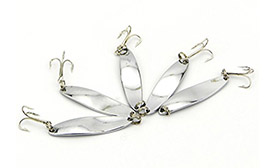
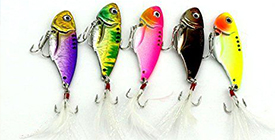
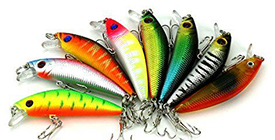
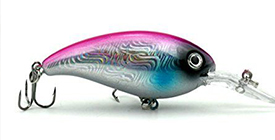
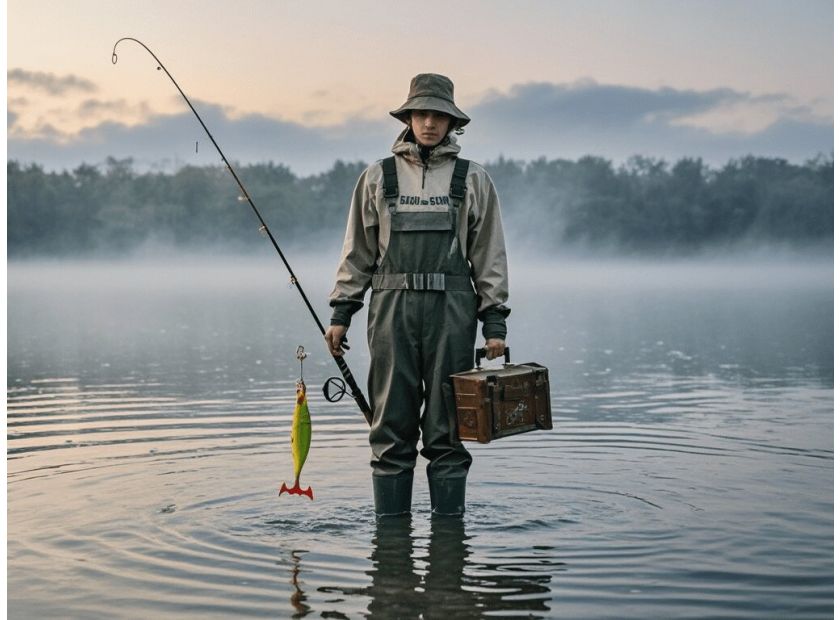
July 12, 2021. Lake Okeechobee, Florida. The sun was blaring down, and the humidity was thick enough to swim through—typical Florida summer. The water temp was hovering around 92°F, and I’d been casting my favorite Hard Baits for two hours straight without a single bite. I was about to pack it in, frustrated, when a buddy of mine, Jake, pulled up in his bass boat.
“Hey, ol’ timer!” he yelled. “What’s with the long face? Hard baits not working today?”
I shook my head. “Nothin’.”
“Here,” he said, tossing me a small bag of soft plastic lures. “Try these. With the water this hot, bass are hugging the bottom, and they don’t have the energy to chase fast-moving baits. Soft plastics slow things down and feel more natural to ‘em.”
He recommended a 5-inch senko worm in watermelon red. I tied it on, rigged it Texas-style, and cast it out near a patch of lily pads. I let it sink to the bottom, then gave it a slow, steady retrieve. On my third cast, I felt a gentle tap. I set the hook, and my rod bent like a bow—this was a big one.
After a 10-minute fight, I hauled in a 8-pound largemouth bass. It was the biggest catch I’d had all summer. That day changed everything I thought about soft plastics.
Why Soft Plastics Are a Freshwater Angler’s Best Friend
Over the past 20 years, I’ve fished across the US—from the cold, clear lakes of Michigan to the warm, weedy waters of Lake Okeechobee, and the rocky shores of Lake Texoma in Texas and Oklahoma. And one thing I’ve learned is that soft plastics are one of the most versatile and effective tools in any angler’s tackle box.
They’re called “soft plastics” because they’re made from flexible, rubbery materials like PVC or silicone. Unlike Hard Baits, which have a rigid body, soft plastics move and feel like real baitfish, crawfish, or worms in the water. This makes them irresistible to bass, crappie, walleye, and other freshwater species.
Another great thing about soft plastics is their variety. You can find them in literally thousands of shapes, sizes, and colors. From worms and grubs to creatures and swimbaits, there’s a soft plastic lure for almost any fishing situation.
Choosing the Right Soft Plastic for the Job
With so many options available, choosing the right soft plastic can be overwhelming. But over the years, I’ve narrowed it down to a few tried-and-true favorites that work well in most freshwater systems.
1. Worms
Worms are the classic soft plastic lure. They’re simple, effective, and easy to use. My go-to is the 4-inch or 5-inch senko worm. It has a unique falling action that bass can’t resist. I usually rig it Texas-style (weedless) or wacky rigged (hooked through the middle).
Best conditions: Warm water (70-85°F), when bass are resting near cover like lily pads, brush piles, or docks.
2. Crawfish
Crawfish are a staple food source for bass, especially in rocky lakes and rivers. A soft plastic crawfish mimic can be deadly. I prefer a 3-inch or 4-inch craw with a realistic texture and color (brown or green).
Best conditions: Cooler water (55-65°F), in the spring or fall, when bass are feeding actively.
3. Grubs
Grubs are small, simple lures that work well for panfish like crappie and bluegill, as well as bass and walleye. They come in a variety of colors and sizes, but my favorite is a 2-inch white grub with a curly tail.
Best conditions: Clear water, when fish are feeding near the surface or in shallow water.
4. Creature Baits
Creature baits are weird-looking lures with multiple legs, tails, and appendages. They don’t look like anything in nature, but bass love them. I use a 3-inch or 4-inch creature bait in black or green.
Best conditions: Murky water, when bass are relying on their sense of touch and vibration to find food.
5. Swimbaits
Swimbaits are soft plastic lures designed to mimic real baitfish. They have a swimming action that’s very realistic, and they work well for bass, walleye, and even pike.
Best conditions: Cooler water (50-60°F), in the spring or fall, when bass are feeding on schools of baitfish.
Rigging Your Soft Plastics for Maximum Effectiveness
How you rig your soft plastic can make all the difference in how it moves through the water and how attractive it is to fish. Here are a few of my favorite rigs:
Texas Rig
The Texas rig is one of the most popular ways to rig soft plastics. It’s a weedless rig that allows you to fish in heavy cover without getting snagged. To rig it, slide a bullet-shaped weight onto your line, tie on a hook, and then thread the hook through the tip of the soft plastic and out the side. Then, bury the hook point back into the soft plastic to make it weedless.
Best for: Fishing near weeds, lily pads, or brush piles.
Carolina Rig
The Carolina rig is a long-distance rig that allows you to cover more water. It’s great for fishing in deep water or along ledges. To rig it, slide a egg-shaped weight onto your line, followed by a swivel, a leader line, and then a hook with your soft plastic.
Best for: Fishing in deep water (10-20 feet) or along ledges.
Wacky Rig
The wacky rig is a simple rig that works well for senko worms. To rig it, hook the worm through the middle. When you cast it out, the worm will fall in a zigzag motion that bass find very attractive.
Best for: Fishing near the surface or in shallow water.
Jig Head Rig
The jig head rig is a simple rig that allows you to fish your soft plastic near the bottom. To rig it, tie on a jig head (a hook with a weight built-in) and thread the soft plastic onto the hook.
Best for: Fishing near the bottom in deep water.
The Right Way to Fish Your Soft Plastics
Fishing soft plastics is a skill that takes practice, but once you get the hang of it, you’ll be catching fish like a pro. Here are a few tips to help you get started:
Slow Down Your Retrieve
One of the biggest mistakes beginners make with soft plastics is retrieving them too fast. Remember that soft plastics are designed to be fished slowly. Let the lure sink to the bottom, then give it a slow, steady retrieve. This mimics the way real baitfish or crawfish move through the water, and it gives bass more time to bite.
Pay Attention to Your Line
When fishing soft plastics, you need to pay close attention to your line. Because soft plastics are lightweight, you won’t always feel a big, aggressive bite. Instead, you might feel a gentle tap or a slight change in the tension of your line. If you suspect you have a bite, set the hook immediately.
Experiment with Different Techniques
There are many different ways to fish soft plastics. You can use a steady retrieve, a stop-and-go retrieve, or even a “dead stick” technique where you let the lure sit on the bottom for a few seconds before moving it. Experiment with different techniques to see what works best for the fish you’re targeting.
Match the Hatch
My Most Epic Failures with Soft Plastics (and What I Learned)
Of course, I haven’t always been successful with soft plastics. I’ve had plenty of failures along the way. Here are a few of my most epic failures, and what I learned from them:
1. The Time I Forgot to Check My Line
I was fishing on Lake Michigan in the spring. The water temp was around 55°F, and I was using a soft plastic crawfish mimic in brown. I cast it out near a patch of rocks and let it sink to the bottom. I was about to give it a retrieve when I felt a gentle tap. I set the hook, and my line went slack.
I reeled in my lure, and the hook was empty. I had forgotten to check my line for fraying. I had caught several fish earlier in the day, and my line had worn thin. When I set the hook, the line broke, and the fish got away.
Lesson learned: Always check your line for fraying or damage after every few catches. A broken line can cost you a big fish.
2. The Day I Used the Wrong Color Lure
I was fishing on Lake Texoma in the summer. The water temp was around 85°F, and I was using a soft plastic worm in black. I cast it out near a patch of lily pads and let it sink to the bottom. I gave it a slow, steady retrieve, but I didn’t get any bites.
My buddy Jake was fishing next to me, and he was catching fish left and right. He was using a watermelon red senko worm. I decided to switch lures, and within 5 minutes, I had my first bite.
Lesson learned: The color of your soft plastic can make a big difference. In clear water, use natural colors like watermelon red or green. In murky water, use darker colors like black or blue.
3. The Time I Rigged My Lure Incorrectly
I was fishing on a small lake in Texas. The water was clear, and the bass were feeding on small minnows near the surface. I decided to use a soft plastic swimbait in silver. I tied it on to a jig head and cast it out. The lure didn’t swim correctly—it was spinning in circles instead of moving straight.
I reeled it in, and I realized that I had rigged the swimbait incorrectly. The hook was too far back, which was causing the lure to spin. I re-rigged the lure, and it swam correctly. I caught a 3-pound bass on my next cast.
Lesson learned: Always rig your soft plastics correctly. A poorly rigged lure won’t move through the water correctly, and it won’t be attractive to fish.
Final Thoughts: Why I’ll Always Keep Soft Plastics in My Tackle Box
After 20 years of fishing, I’ve learned that there’s no single “best” lure for freshwater fishing. Hard baits have their place, especially when fish are feeding actively near the surface. But for slow, steady fishing in warm, murky water, or when fish are resting near cover, soft plastics are the way to go.
They’re affordable, easy to use, and incredibly effective. And with so many different shapes, sizes, and colors available, there’s a soft plastic lure for almost any fishing situation.
So the next time you head out on the water, make sure you have a few soft plastics in your tackle box. You never know—they might just help you catch your biggest fish yet.
Actionable Tip: Next time you go fishing, try rigging a 5-inch senko worm in watermelon red Texas-style and fishing it near cover. Let it sink to the bottom, then give it a slow, steady retrieve. You’ll be surprised at how many bites you get.


