




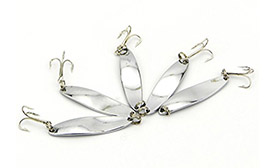
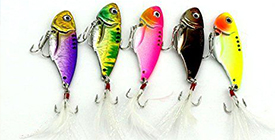
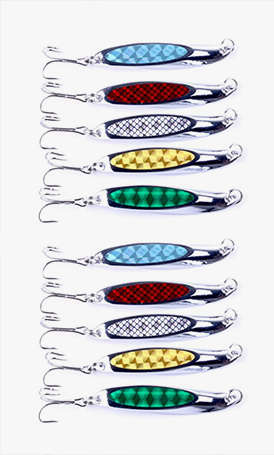

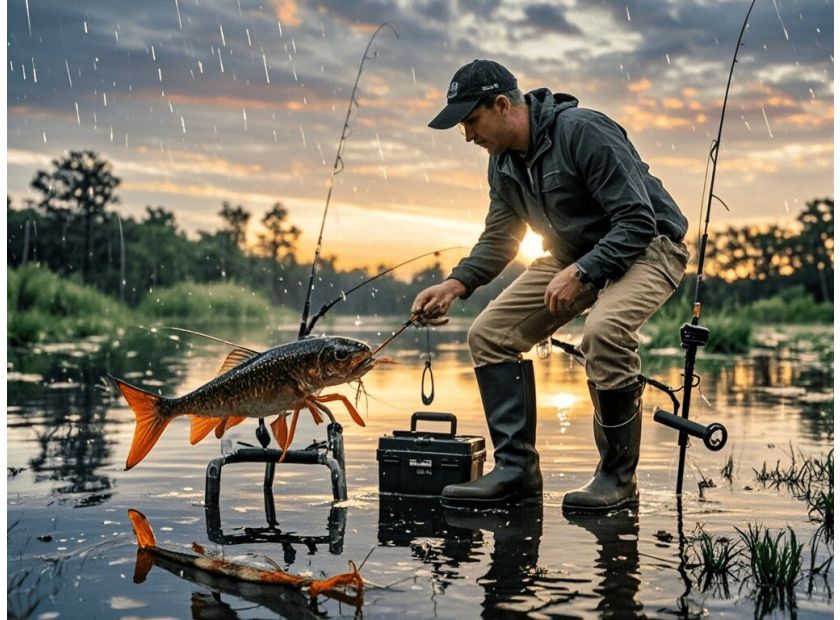
Last October, I rolled out of my truck at Lake Texoma just as the sun was peeking over the Oklahoma border. The air had that crisp, cool bite that only fall in Texas brings—probably around 55°F, and the water temp was hovering right at 68°F. I’d been fishing here for years, chasing bass, but this trip? I was after something a little bigger: striper. My buddy had been raving about how well Metal Lures were working, so I decided to give ’em a shot. I grabbed my favorite rod—a heavy-action baitcaster with 20-pound braided line—and tied on a silver spoon from LENPABY. Honestly, I didn’t expect much. I’d always been a die-hard fan of plastic worms and crankbaits, and metal lures seemed too simple to be effective. But let me tell you, that morning changed everything.
The Unassuming Power of Metal Lures
As I cast out the silver spoon, I let it sink for a few seconds before starting a steady retrieve. Within minutes, I felt a sharp tug that nearly ripped the rod out of my hands. The fish fought hard, running back and forth across the water, and after a five-minute battle, I hauled in a 20-pound striper. I couldn’t believe my luck. I spent the next three hours catching striper after striper, all on that same Metal Lure. The sun had warmed up the air to about 72°F by then, and the water temp had climbed to 70°F, but the lures were still working like a charm.
I realized that metal lures aren’t just simple—they’re versatile. They can be used in a variety of fishing scenarios, from shallow lakes to deep rivers. The key is to choose the right type of metal lure for the conditions. For example, on sunny days, a silver or chrome lure will reflect light and attract fish from a distance. On cloudy days, a gold or copper lure will stand out more. I’ve also had great success with metal lures in murky water, where their vibration and movement help fish find them.
Why I Switched to LENPABY Metal Lures
After that trip to Lake Texoma, I started doing some research on metal lures. I tried a few different brands, but none of them held up like LENPABY’s. The hooks are incredibly sharp and durable—even after catching dozens of fish, they didn’t dull. The lures themselves are made from high-quality metal that doesn’t rust or corrode, even after being submerged in saltwater. I’ve taken them fishing in the Gulf of Mexico for redfish and speckled trout, and they’ve performed just as well as they did on Lake Texoma.
Another thing I love about LENPABY Metal Lures is their design. They have a unique shape that creates a lot of vibration in the water, which attracts fish. The spoons have a wide wobble that mimics a wounded baitfish, and the spinners have a fast spin that creates a flash of light. I’ve found that these lures work well for a variety of fish species, including bass, striper, walleye, pike, and even panfish.
The Importance of Water Temperature and Time of Day
One of the biggest lessons I’ve learned over the years is that water temperature and time of day have a huge impact on fishing. For example, in the spring, when the water temp is around 50-60°F, bass are more active in the early morning and late afternoon. They’re also more likely to bite slow-moving lures, like jigs or plastic worms. But when the water temp climbs to 70°F or higher, bass become more active during the day and will chase faster-moving lures, like Popper Lures or metal spoons.
Last summer, I went fishing on Lake Okeechobee in Florida. The water temp was around 85°F, and the sun was beating down. I started out with a plastic worm, but I didn’t get a single bite. Then I switched to a gold Metal Lure from LENPABY and started retrieving it fast. Within minutes, I caught a 10-pound bass. The fast retrieve created a lot of vibration and flash, which attracted the bass in the warm water.
Failures and Lessons Learned
Of course, not every fishing trip is a success. Last winter, I went fishing on Lake Michigan for walleye. The water temp was around 40°F, and the weather was cold and snowy. I tried using a metal spoon, but I didn’t get any bites. I was frustrated and ready to give up, but then I remembered that walleye are more active in deep water during the winter. I switched to a heavier metal jig from LENPABY and fished it at 30-40 feet. Within an hour, I caught a 5-pound walleye. The lesson here is that you have to be willing to experiment with different lures and techniques. What works in one condition might not work in another.
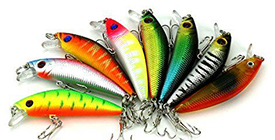
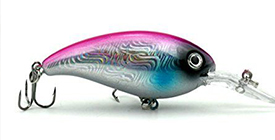
I’ve also had failures with Popper Lures. Last spring, I went fishing on the Brazos River in Texas for bass. The water temp was around 55°F, and it was a cloudy day. I tried using a popper lure, but I didn’t get any bites. Then I switched to a plastic worm, and I caught three bass in 30 minutes. The popper lure was too fast-moving for the cold water, and the bass weren’t active enough to chase it.
Tips for Using Metal Lures
Here are some tips I’ve learned over the years for using metal lures:
- Choose the right size and color: The size and color of the lure should match the baitfish in the area. For example, if you’re fishing for bass in a lake with small minnows, use a small silver or gold lure. If you’re fishing for striper in a river with large shad, use a larger chrome lure.
- Experiment with retrieve speed: Depending on the water temp and time of day, you may need to retrieve the lure fast or slow. For example, in warm water, a fast retrieve will attract more fish. In cold water, a slow retrieve will be more effective.
- Use the right equipment: Metal lures are heavier than plastic lures, so you’ll need a heavier rod and reel. A heavy-action baitcaster with 20-30-pound braided line is ideal for most fishing scenarios.
- Maintain your lures: Metal lures can rust or corrode over time, so it’s important to clean them after each use. I use a mild soap and water to clean my lures, and I dry them thoroughly before storing them.
Final Thoughts
Overall, I’ve been incredibly impressed with LENPABY Metal Lures. They’re versatile, durable, and effective for a variety of fish species. Whether you’re fishing for bass, striper, walleye, or pike, these lures are sure to get the job done. The key is to choose the right type of lure for the conditions and to experiment with different techniques. With a little practice, you’ll be catching fish like a pro in no time.
Before I wrap up, here’s a small, actionable tip for you: The next time you go fishing, try using a Metal Lure in a new location. Take note of the water temp, time of day, and weather conditions, and see which size and color works best. You might be surprised at the results.


