






The Day I Tamed the Monster of Lake Okeechobee
August 2019. Lake Okeechobee, Florida. The sun was baking the aluminum hull of my 18-foot bass boat like a sheet pan in a 400°F oven. Humidity thick enough to chew hung in the air, and my old trucker hat was soaked through with sweat that dripped into my eyes every time I leaned over the gunwale. I’d been tossing soft plastics all morning—worms, creature baits, swimbaits—and all I had to show for it was a single scrawny 12-inch bass that looked like it’d been skipping meals.
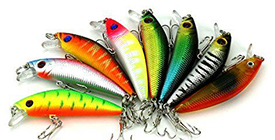
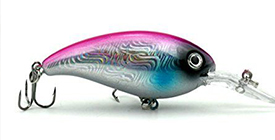
Honestly, I was about to call it a day and head back to the ramp for a cold beer when my buddy Jake, who’d driven down from Georgia to fish with me, yelled from the stern. “Hey, try that new Crank Lure I grabbed from LENPABY last week. Water temp’s hitting 82°F—these thing are designed for hot, shallow bass.”
I didn’t hold out much hope, but I’d spent too many days on Okeechobee to ignore Jake’s advice. He’d caught a 10-pounder here last year on a bait I’d never even heard of. I tied on the LENPABY crank—this shiny chartreuse and white number with a deep diving lip—and cast it toward a patch of lily pads about 50 yards out.
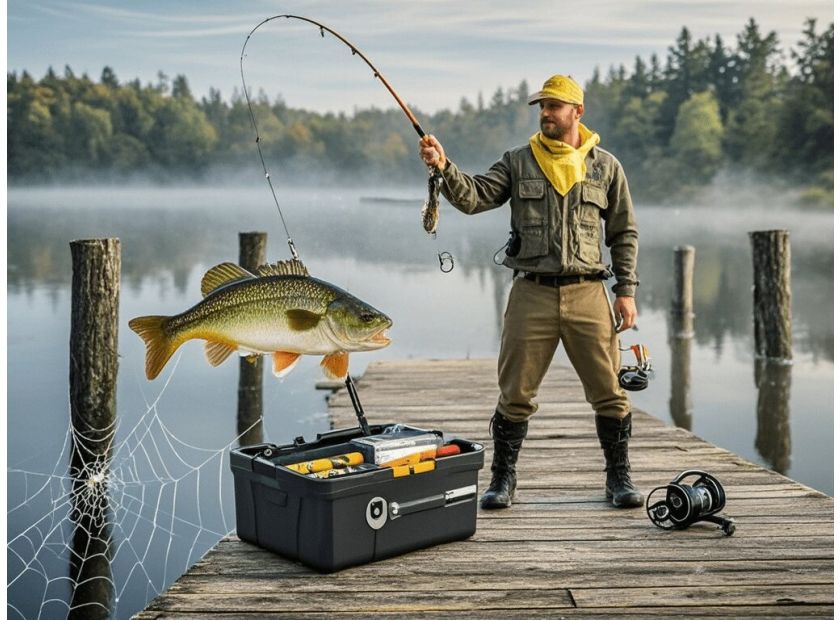
Let me tell you, the strike was like getting hit by a sledgehammer. The line went tight so fast I almost dropped my rod. The bass exploded out of the water, shaking its head like a rabid dog, trying to throw the hook. I fought it for five minutes—my arms burning, my heart pounding so hard I could hear it in my ears—before I finally hauled it into the boat. It was a 9-pound, 3-ounce monster. The biggest bass I’d caught in Okeechobee in three years.
That day changed everything for me. I’d always been a soft plastic guy, but I realized I’d been sleeping on hard baits. Since then, I’ve fished hard baits all over the country—from Lake Texoma in Texas and Oklahoma to Lake Michigan in the Midwest—and I’ve learned a thing or two about what makes them work.
Why Hard Baits Are a Game Changer for US Anglers
Hard baits aren’t just another tool in your tackle box—they’re a secret weapon that can help you catch more fish, bigger fish, in a wider range of conditions than soft plastics. Let me break it down for you.
First off, hard baits mimic the natural movement of baitfish, frogs, and other prey in a way soft plastics just can’t. The way a Crank Lure dives and wobbles, or a topwater plug skitters across the surface, triggers an instinctive strike response in bass, pike, walleye, and other predator fish. They can’t help themselves—they see that movement and they have to eat it.
Hard Bait Basics Every Angler Should Know
Before we dive into the nitty-gritty of how to fish hard baits, let’s cover a few basics. Hard baits come in four main categories:
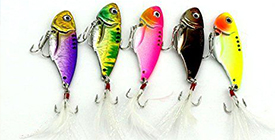
- Crank Lures: These are designed to dive below the surface when you reel them in. They’ve got a plastic lip on the front that controls how deep they go. Crank lures are great for covering a lot of water quickly and finding active fish.
- Topwater Plugs: These float on the surface and are designed to create a commotion that attracts fish. Think poppers, walkers, and buzzbaits. Topwater fishing is some of the most exciting fishing you can do—there’s nothing like watching a bass explode out of the water to hit your plug.
- Jerkbaits: These are designed to be twitched or jerked through the water. They mimic a wounded baitfish, which is like catnip to predatory fish. Jerkbaits work best in cooler water, when fish are more sluggish and less likely to chase fast-moving prey.
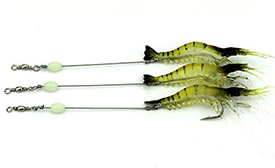
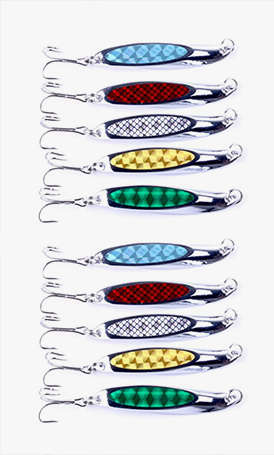
- Swimbaits: These are designed to swim through the water like a real fish. They come in a variety of sizes, from small 3-inch models to giant 12-inch monsters. Swimbaits are great for targeting big, trophy-sized fish.
How to Fish Hard Baits Like a Pro
Now that you know the basics, let’s talk about how to fish each type of hard bait effectively. I’ve spent years experimenting with different techniques, and these are the ones that have worked best for me all over the US.
Crank Lures: Cover Water, Find Fish
Crank lures are my go-to when I’m trying to find active fish in a new lake or river. They allow you to cover a lot of water quickly, which means you can find where the fish are holding before the sun gets too high.
A few years ago, I was fishing Lake Texoma in Texas and Oklahoma. The water temp was 68°F, and I was trying to find bass in the coves and bays along the Texas shore. I tied on a LENPABY crank lure with a diving depth of 10-12 feet and started casting toward the rocky points and submerged brush piles.
I’d cast out, let the lure hit bottom, then reel it in with a steady, medium speed. Every time the lure hit a rock or a piece of brush, I’d give the rod a quick jerk to make it bounce off the structure. That little action was like a trigger for the bass—they’d strike the lure as it bounced away from the rock or brush.
I caught nine bass that morning—all between 2 and 4 pounds—using this technique. I wouldn’t have caught half that many if I’d been using soft plastics. Crank lures are just better at covering water and finding active fish.
If you’re fishing in deeper water—like the channels of Lake Michigan—you’ll want to use a deeper diving crank lure. I’ve had great success with crank lures that dive 20-30 feet in Lake Michigan. I cast them out, let them sink to the bottom, then reel them in with a steady speed. The key is to keep the lure in contact with the bottom as much as possible.
One thing to keep in mind with crank lures is that they can get snagged on rocks, brush, and other structures. To minimize snags, try casting parallel to the structure instead of directly into it. And if you do get snagged, don’t yank on the line—try reeling in slowly and then giving the rod a quick jerk. That often frees the lure without breaking the line.
Topwater Plugs: The Thrill of the Strike
Topwater fishing is some of the most exciting fishing you can do. There’s nothing like watching a bass explode out of the water to hit your plug. I love fishing topwater plugs in the early morning and late evening, when the water is calm and the fish are feeding near the surface.
Last year, I was fishing the Colorado River in Arizona. The sun had just come up, and the water was like glass. I tied on a LENPABY topwater popper and cast it toward a patch of overhanging willow trees. I let the popper sit for a few seconds, then gave the rod a quick jerk to make it pop.
The strike was instant. A 5-pound bass exploded out of the water, grabbed the popper, and took off for the willow trees. I fought it for a minute before I hauled it into the boat. It was one of the most exhilarating strikes I’d ever had.
There are a few different techniques you can use with topwater plugs. For poppers, the key is to create a “pop and pause” action. Cast the popper out, let it sit for a few seconds, then give the rod a quick jerk to make it pop. Then pause again for a few seconds before popping it again. The pause is when the fish usually strike.
For walkers—like the classic Zara Spook—you want to create a “walking the dog” action. Cast the plug out, then reel it in with a steady, medium speed while twitching the rod back and forth. This makes the plug dart left and right across the surface, mimicking a wounded baitfish.
Buzzbaits are another great topwater option, especially in weedy or grassy areas. They’ve got a propeller that spins as you reel them in, creating a lot of noise and vibration. I love fishing buzzbaits in the early morning on Lake of the Ozarks in Missouri. The bass in those shallow coves can’t resist a buzzbait buzzing through the weeds.
Jerkbaits: Slow and Steady Wins the Race
Jerkbaits are designed to mimic a wounded baitfish, which is like catnip to predatory fish. They work best in cooler water, when fish are more sluggish and less likely to chase fast-moving prey. I love fishing jerkbaits in the spring and fall, when the water temp is between 45 and 65°F.
A few years ago, I was fishing Lake Erie in Ohio. The water temp was 52°F, and the bass were holding in the shallow bays along the Ohio shore. I tied on a LENPABY jerkbait and cast it toward a patch of submerged grass. I let the jerkbait sink to the bottom, then started twitching and pausing it.
I’d twitch the rod once, pause for two seconds, then twitch it again. Every time I twitched the rod, the jerkbait would dart to the side, mimicking a wounded baitfish. The pause was when the bass would strike.
I caught six bass that morning—all between 3 and 5 pounds—using this technique. Jerkbaits are great because they allow you to fish slowly and methodically, which is exactly what you need to do when the water is cold.
One thing to keep in mind with jerkbaits is that they can be a little tricky to use. You have to get the twitch and pause timing right to make them look realistic. But once you get the hang of it, they’re one of the most effective baits you can use in cold water.
Swimbaits: Targeting Trophy Fish
Swimbaits are designed to swim through the water like a real fish. They come in a variety of sizes, from small 3-inch models to giant 12-inch monsters. Swimbaits are great for targeting big, trophy-sized fish.
I remember one time I was fishing Lake Travis in Texas. The water temp was 78°F, and I was trying to find trophy-sized bass in the deeper coves. I tied on a LENPABY 8-inch swimbait and started casting it toward the drop-offs.
I’d cast the swimbait out, let it sink to the bottom, then reel it in with a steady, slow speed. The swimbait would swim through the water like a real shad, and the big bass couldn’t resist it.
I caught a 12-pound bass that afternoon using this technique. It was the biggest bass I’d ever caught in Texas, and it made all the hours of casting that giant swimbait worth it.
Swimbaits can be a little expensive, but they’re worth every penny if you’re after trophy fish. Just remember that they’re designed to be fished slowly and methodically. Don’t reel them in too fast—let the swimbait do the work.
Common Mistakes to Avoid When Fishing Hard Baits
I’ve made my fair share of mistakes when fishing hard baits over the years. Here are a few of the most common ones I see other anglers making:
Fishing Too Fast: A lot of anglers reel in hard baits too fast. This makes the bait look unnatural and less appealing to fish. Slow down—let the bait swim or wobble naturally through the water.
Not Paying Attention to Water Temperature: Water temperature has a huge impact on how fish behave. Hard baits work best in specific temperature ranges. Make sure you’re using the right type of hard bait for the water temperature you’re fishing in.
Ignoring Structure: Fish love structure—rocks, brush piles, submerged trees, etc. Hard baits are great for fishing around structure, but you have to be careful not to get them snagged. Try casting parallel to the structure instead of directly into it.
Using the Wrong Color: The color of your hard bait can make a big difference in how many fish you catch. In clear water, use natural colors like shad or bluegill. In muddy water, use brighter colors like chartreuse or orange.
Actionable Tip: The “Bounce and Pause” Technique for Crank Lures
Here’s a small, actionable tip that can help you catch more fish with crank lures: the “bounce and pause” technique. This technique works best when fishing around rocky points or submerged brush piles.
Cast your crank lure toward the structure. Let the lure hit bottom. Then reel it in slowly, making sure it stays in contact with the bottom. Every time the lure hits a rock or a piece of brush, give the rod a quick jerk to make it bounce off the structure. Then pause for a second or two before continuing to reel.
The bounce off the structure mimics a wounded baitfish, which triggers an instinctive strike response in bass. The pause gives the fish time to react and strike the lure.
I’ve used this technique all over the US—from Lake Okeechobee in Florida to Lake Michigan in the Midwest—and it’s never let me down. Try it out on your next fishing trip, and see if it doesn’t help you catch more fish.
Hard baits are a game changer for US anglers. They’re versatile, effective, and durable, and they can help you catch more fish, bigger fish, in a wider range of conditions than soft plastics. If you’re not already using hard baits, give them a try. You might be surprised at how well they work.


