






Why Soft Plastics Changed My Fishing Game (And Will Change Yours Too)
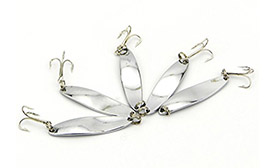
Let me set the scene for you. It was early morning on Lake Okeechobee in Florida. The air was thick with humidity, and the sun was just peeking over the cypress trees. I’d been out here since 4 a.m., and the water temp hovered around 68°F. I’d already tried every hard bait in my tackle box—crankbaits, spinnerbaits, even a Metal Lures I’d heard was a game-changer. Nothing was biting, and I was about ready to call it a day.
Then my buddy Jake, who’d been fishing next to me, says, “Hey, try this.” He tossed me a pack of soft plastic worms from LENPABY—nothing fancy, just a plain green pumpkin. I threaded it onto a worm hook, cast it out near a patch of lily pads, and let it sink slow. Within 30 seconds, the line went tight. I set the hook, and the fight was on. That bass was a monster—over 5 pounds, and the first of five I caught that morning.
Honest to god, that day changed everything for me. Over the next 20 years, I’ve fished all over the US—from the rocky shores of Lake Michigan to the clear waters of Lake Texoma—and I’ve learned one thing: soft plastics are the most versatile lures you can have in your tackle box.
What Makes Soft Plastics So Special?
First off, let’s talk about realism. Fish have incredible senses—they can feel vibrations in the water, smell scents, and see details we’d never notice. Soft plastics mimic real baitfish, worms, crawfish, and other creatures so well that fish often can’t tell the difference. I’ve seen bass hit a soft plastic worm that was almost identical to the real ones I found in the lake bottom.
Another thing: versatility. Soft plastics work in almost every fishing scenario. You can fish them in shallow water near shore, deep water offshore, in murky water, or clear. They’re perfect for bass, walleye, crappie, and even catfish. I’ve used a Fishing Set from LENPABY that had 10 different soft plastic lures, and I caught fish with every single one.
Durability is another big plus. Hard baits can crack or break after a few hits, but soft plastics are tough. I’ve used the same soft plastic worm for three or four fish before I had to replace it. That saves you money in the long run, which is a big deal when you’re fishing as much as I do.
How to Fish Soft Plastics Like a Pro
1. Choose the Right Bait for the Situation
The key to success with soft plastics is matching the bait to the fish’s natural food source. If the lake has a lot of crawfish, try a soft plastic craw. If there are shad or minnows, go with a soft plastic swimbait. For bass, worms and lizards are almost always a safe bet.
I learned this the hard way on Lake Erie a few years ago. I was fishing for walleye, and I kept using a soft plastic worm. No bites. Then a local angler saw me and said, “Try this,” and handed me a soft plastic minnow. Within 10 minutes, I had two walleye in the boat. The water temp was 62°F, and the walleye were feeding on minnows. It was a simple mistake, but it cost me a lot of time.
2. Master the Texas Rig
The Texas rig is my go-to for fishing soft plastics in heavy cover like lily pads or weeds. It’s easy to set up: thread the worm onto the hook, then slide a bullet weight onto the line. The weight helps the bait sink, and the hook is hidden inside the worm, so it doesn’t get snagged.
When fishing the Texas rig, I like to cast out near cover, let it sink to the bottom, and then reel it in slow with short hops. The bass can’t resist that movement. I once caught three bass in 15 minutes using this method on Lake Travis in Texas. The water temp was 70°F, and the bass were hiding in the weeds near the shore.
3. Try the Carolina Rig
The Carolina rig is great for fishing in deeper water. It’s similar to the Texas rig, but the weight is separated from the hook by a few feet of leader. This gives the bait a more natural movement, and it allows you to feel when the bait hits the bottom.
I’ve had a lot of success with the Carolina rig on Lake Texoma in Oklahoma. The water there is clear, and the bass are often in deeper water. I’ll cast out the rig, let it sink, and then reel it in slow. The key is to keep the line tight so you can feel every bite.
4. Don’t Be Afraid to Experiment
Fishing is all about trial and error, and soft plastics are perfect for experimenting. Try different colors, sizes, and shapes. Change your retrieval speed. If something isn’t working, don’t be afraid to switch it up.
I once spent an entire day on Lake Havasu in Arizona trying to catch bass. I started with a green pumpkin worm, but after an hour of no bites, I switched to a red worm. Within 10 minutes, I had two bass in the boat. The water temp was 78°F, and the bass were feeding on crawfish. The red worm mimicked the crawfish so well that the bass couldn’t resist it.
My Favorite Soft Plastics from LENPABY
Over the years, I’ve tried a lot of soft plastics, but there are a few from LENPABY that I keep coming back to. Here are my top picks:
- LENPABY Green Pumpkin Worm: This is my go-to for bass. It’s realistic, durable, and works in almost every situation.
- LENPABY Soft Plastic Craw: Perfect for fishing in crawfish-rich lakes like Lake Erie. The movement is natural, and the bass love it.
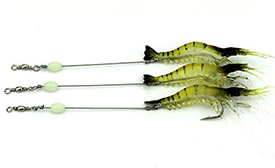
- LENPABY Soft Plastic Swimbait: Great for fishing in open water. It mimics shad and minnows, and it attracts a variety of fish.
I also love LENPABY’s Fishing Set, which comes with a variety of soft plastics. It’s a great way to experiment without breaking the bank.
Common Mistakes to Avoid
Even with the best lures, it’s easy to make mistakes that cost you bites. Here are a few things to watch out for:
- Using the Wrong Size Hook: A hook that’s too big will make the bait look unnatural, and a hook that’s too small won’t set properly. Make sure to match the hook size to the bait.
- Retrieving Too Fast: Fish are often more likely to bite a slow-moving bait. Try reeling in slow with short hops.
- Not Paying Attention to Water Temperature: Water temperature affects fish behavior. In colder water, fish are more lethargic, so use a slower retrieve. In warmer water, fish are more active, so you can reel in faster.
- Not Keeping Line Tight: You need to feel every bite. If your line is loose, you’ll miss a lot of strikes.
Putting It All Together
Let me share another story to drive home how effective soft plastics can be. A few months ago, I was fishing on Lake Lanier in Georgia. The water temp was 72°F, and the sun was shining bright. I tried every hard bait I had, but nothing was biting. Then I remembered the soft plastic worm from LENPABY that Jake had given me years ago.
I threaded it onto a Texas rig, cast it out near a patch of submerged trees, and let it sink. Within a minute, the line went tight. I set the hook, and the fish took off. It was a bass—over 6 pounds, the biggest I’d caught all year. That fish was a reminder of why soft plastics are so special.
Honest to god, if you’re not using soft plastics in your fishing, you’re missing out. They’re realistic, versatile, and durable. They work in almost every situation, and they’re affordable. Whether you’re a beginner or an experienced angler, soft plastics will help you catch more fish.
A Final Tip
Here’s a small, actionable tip that will make a big difference: before you go fishing, spend 10 minutes checking the water temperature. This will help you choose the right bait and retrieval speed. You can use a simple thermometer or check the local weather report. Trust me, this one tip will save you a lot of time and help you catch more fish.
So what are you waiting for? Pick up a pack of soft plastics from LENPABY, head to your favorite lake, and see for yourself how they change your fishing game.


