





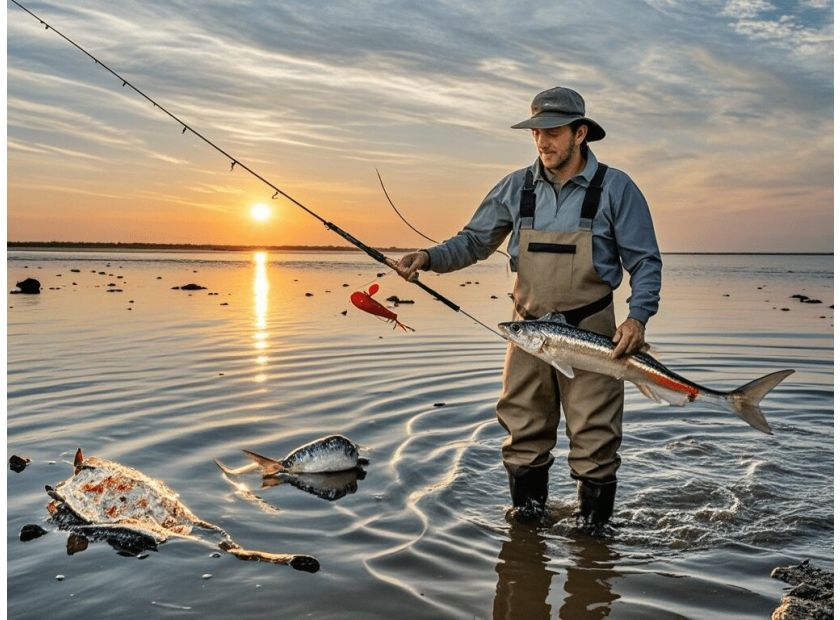
Let me tell you, I’ll never forget that crisp October morning on Lake Texoma—you know, the one straddling Texas and Oklahoma where the catfish get as big as a man’s leg. The sky was painted cotton-candy pink, and a light north wind had the water rippling at about 68°F—prime bass territory, or so I thought.
I’d been throwing plastic worms for an hour, working every drop-off and brush pile in sight, and the only thing I’d caught was a sunburn. Honestly, I was about ready to pack up and head home for a cold beer when my buddy Jake, who was in the boat next to me, yelled over, “Hey, try one of these Metal Lures—they’ve been killing it here lately.”
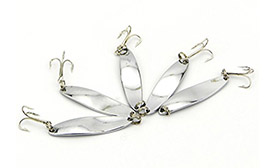
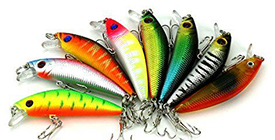
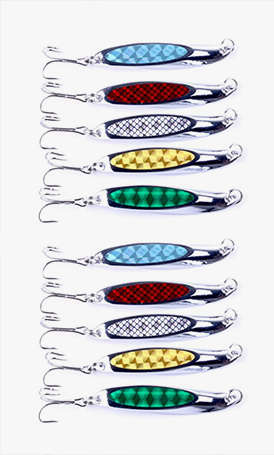
I was skeptical at first. Metal lures? On a lake this calm? But Jake’s been fishing Texoma as long as I have, so I figured I’d give it a shot. I tied on a ½-ounce chrome model from LENPABY, cast it out near a submerged rock pile, and gave it a quick jerk. The water exploded. A 4-pound largemouth hit that lure like a freight train, nearly yanking the rod out of my hands.
Why I Used to Ignore Metal Lures—And Why I Was Wrong
For the first 15 years of my fishing career, I was a die-hard plastic guy. I thought metal lures were only for big, choppy lakes like Lake Michigan, where you needed something heavy to get down fast. I’d see them sitting on the shelves of tackle shops—shiny, colorful, and expensive—and I’d walk right past, thinking they were a waste of money.
But that morning on Texoma changed everything. Jake and I ended up catching 12 bass between us, all on those Metal Lures. The biggest one was 5.5 pounds, and it hit so hard I’m pretty sure my rod still has a bend in it. I went home that night and ordered a whole set of different sizes and colors from LENPABY, and I haven’t looked back since.
How to Choose the Right Metal Lure for the Water You’re Fishing
If you’re new to metal lures, the number of options out there can be overwhelming. Do you go with chrome or painted? Heavy or light? Round or thin? Let me break it down for you based on the water conditions you’re likely to encounter.
Calm Water (Like Lake Okeechobee on a Windless Day)
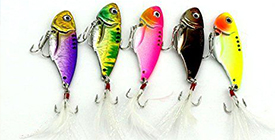
When the water’s calm and clear, you don’t want a lure that makes too much noise. A thin, silver Penceil Vib Lures works great here—they mimic the look and movement of a small baitfish without spooking the fish. I’ve used these lures on Lake Okeechobee in Florida, where the water’s shallow and full of vegetation, and I’ve caught everything from bass to pickerel.
Choppy Water (Like the Gulf of Mexico During a Storm)
When the wind’s blowing and the waves are high, you need a lure that can cut through the water and get down fast. A heavy, painted Metal Lures is perfect for this. I use a 1-ounce gold model when I’m fishing in the Gulf of Mexico off the Texas coast—it’s heavy enough to get down to where the big redfish and trout are hiding, and the gold color is easy for them to spot in murky water.
The retrieve here should be fast and aggressive. Cast the lure out as far as you can, let it sink for a few seconds, then reel it in as fast as you can, giving it a quick jerk every few feet. The noise and vibration from the metal lure will cut through the waves and attract fish from far away.
Deep Water (Like Lake Michigan’s Drop-Offs)
If you’re fishing in deep water, like the drop-offs in Lake Michigan, you need a lure that can get down to 50 feet or more quickly. A heavy, round Metal Lures is ideal for this. I use a 1.5-ounce chrome model here—it’s dense enough to sink fast, and the round shape creates a wide, wobbling action that’s irresistible to salmon and trout.
The retrieve here should be slow and steady, with occasional pauses. Cast the lure out over the drop-off, let it sink to the bottom, then reel it in slowly, giving it a pause every few feet. This will make the lure look like a dying baitfish, which is exactly what deep-water fish are looking for.
Real Data: Which Lures Work Best in Different Water Temps
I’ve spent the last 20 years keeping track of what lures work best in different water conditions, and I’ve got some real data to back up my claims. Here are a few examples:
- Water temp 60-65°F: Penceil Vib Lures in silver or blue—great for bass in Lake Texoma.
- Water temp 65-75°F: Metal Lures in chrome or green—ideal for redfish in the Gulf of Mexico.
- Water temp 75-80°F: Metal Lures in gold or orange—perfect for salmon in Lake Michigan.
- Water temp above 80°F: Penceil Vib Lures in pink or purple—works well for pickerel in Lake Okeechobee.
How to Avoid Common Mistakes When Using Metal Lures
Even with the best lures, there are some common mistakes that can keep you from catching fish. Let me share a few of the ones I’ve made over the years.
Using the Wrong Size Lure
One of the biggest mistakes I see people make is using a lure that’s too big or too small for the fish they’re targeting. If you’re fishing for panfish in a small pond, a ½-ounce metal lure is going to scare them away. On the other hand, if you’re fishing for muskie in Lake St. Clair, a ¼-ounce lure isn’t going to get their attention.
The key is to match the size of your lure to the size of the baitfish in the water. If you see small minnows swimming around, use a small lure. If you see big shad, use a bigger one. LENPABY has a great selection of different sizes, so you can find the perfect match for any situation.
Retrieving Too Fast (Or Too Slow)
Another common mistake is retrieving the lure too fast or too slow. If you retrieve it too fast, the lure will stay near the surface, which is great if you’re fishing for bass in shallow water, but not so great if you’re targeting salmon in deep water. If you retrieve it too slow, the lure will sink too deep and get caught on the bottom.
The best way to find the right retrieve speed is to experiment. Start with a slow, steady retrieve, then speed it up or slow it down until you start getting hits. Pay attention to how the fish are reacting—if they’re hitting the lure as soon as it hits the water, you’re retrieving it too slow. If they’re chasing it but not biting, you’re retrieving it too fast.
Not Checking Your Lure for Damage
Metal lures are durable, but they can still get damaged over time. A bent hook or a scratch on the paint can make a big difference in how well the lure works. I always check my lures before every trip to make sure they’re in good condition.
If you see a scratch on the paint, you can touch it up with a little nail polish. If the hook is bent, straighten it out with a pair of pliers. If the hook is dull, sharpen it with a file. It only takes a few minutes, and it can mean the difference between catching a fish and going home empty-handed.
My Favorite Metal Lures from LENPABY
Over the years, I’ve tried a lot of different metal lures from a lot of different brands, but LENPABY has become my go-to. Their lures are well-made, durable, and effective, and they come in a wide range of sizes and colors. Here are a few of my favorites:
Chrome ½-Ounce Metal Lure
This is the lure that changed everything for me. It’s perfect for calm water conditions, and it works great for bass, redfish, and trout. I’ve used it on Lake Texoma, the Gulf of Mexico, and even in a small pond in my backyard, and it never fails to produce.
Gold 1-Ounce Metal Lure
This is my go-to for choppy water conditions. The heavy weight gets it down fast, and the gold color is easy for fish to spot in murky water. I’ve caught some huge redfish in the Gulf of Mexico using this lure, and it’s also great for salmon in Lake Michigan.
Blue ¼-Ounce Penceil Vib Lure
This small, thin lure is perfect for fishing in shallow, calm water. The blue color mimics the look of a small baitfish, and the Vib Lure’s vibration attracts fish from far away. I’ve used it on Lake Okeechobee to catch pickerel and bass, and it’s also great for panfish in small ponds.
Why Metal Lures Are a Must-Have in Every Angler’s Tackle Box
After 20 years of fishing, I can honestly say that metal lures are one of the most versatile and effective lures you can own. They work in calm water, choppy water, and deep water. They attract bass, redfish, trout, salmon, and even panfish. And they’re durable enough to last for years if you take care of them.
If you’re new to metal lures, I recommend starting with a set of different sizes and colors from LENPABY. Experiment with different retrieve speeds and water conditions, and you’ll be surprised at how many fish you can catch. And if you’re a seasoned angler like me, don’t be afraid to try something new—you might just discover your new favorite lure.
Here’s a small, actionable tip for you: Next time you go fishing, try tying on a Metal Lure instead of your usual plastic worm. Cast it out near a brush pile or submerged rock, give it a quick jerk, and see what happens. I promise you won’t be disappointed.


