




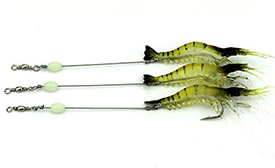
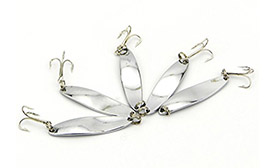

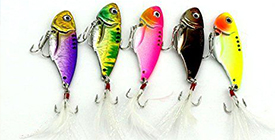
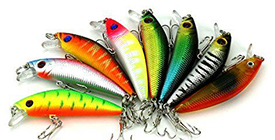
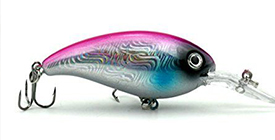
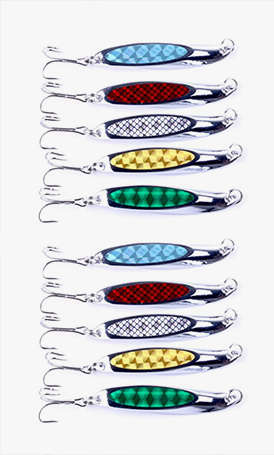

Hey buddy, let me set the scene for you. It was a crisp October morning on Lake Texoma, straddling Texas and Oklahoma. The sun was just peeking over the pine trees, painting the sky in soft pink and orange. The air smelled like wet soil and pine needles, and the water was calm with a faint chop from a light north wind. I’d been up since 4 a.m., loading my tackle box with an assortment of lures, but one rig in particular caught my eye—my trusty LENPABY crank lure. Water temp was hovering right at 68°F, and the bass had been schooling up for their fall feed. I had a gut feeling this was gonna be a good day.
I idled my bass boat out to a submerged rock ledge I’d fished countless times. The first few casts with a spinnerbait didn’t get a nibble, so I tied on that Bass Fishing crank. On the third cast, as I was reeling it back with a steady retrieve, BAM—something hit it so hard my rod bent in half. It was a 5-pound largemouth, jumping out of the water and shaking its head like a dog with a bone. That fish set the tone for the day. By noon, I’d landed 12 more bass, all on that same crank lure. I knew right then that crank lures weren’t just another tool in my box—they were a game-changer.
Why Crank Lures Are a Fisherman’s Best Friend
Now, you might be wondering why I’m so hooked on crank lures. Let’s start with their versatility. Crankbaits come in all shapes, sizes, and colors, each designed to mimic different prey—minnows, crawfish, even small baitfish. They’re effective in just about every type of water: lakes, rivers, reservoirs, you name it. Whether you’re fishing in shallow flats or deep channels, there’s a crank lure that’ll get the job done.
Another reason I love crankbaits is their ability to cover water quickly. When you’re scouting a new lake or trying to find where the fish are hiding, you can cast a crank lure far out, reel it back at a steady pace, and cover acres of water in no time. This is especially helpful on big lakes like Lake Michigan or Lake Okeechobee, where fish can be spread out over vast areas.
I’ve also found that crank lures are great for triggering reaction strikes. Bass are aggressive predators, and when they see a fast-moving crankbait darting through the water, they can’t help but strike. This is perfect when the fish are inactive or not feeding on natural prey—sometimes all it takes is a little movement to get them fired up.
My Favorite LENPABY Crank Lures and When to Use Them
Over the years, I’ve tested dozens of crank lures, but a few from LENPABY have become my go-to’s. Let’s break ’em down:
1. The Deep Diver – This bad boy can reach depths of up to 20 feet, making it perfect for fishing deep channels or submerged structure. I use it on Lake Michigan when the bass are holding near drop-offs in water temps around 55°F. The realistic minnow pattern and tight waddle action drive them crazy.
2. The Shallow Runner – For shallow flats and weed beds, this is my weapon of choice. The wide bill helps it bounce off vegetation without getting stuck, and the bright colors (like chartreuse or firetiger) are easy for bass to spot in murky water. I’ve had great luck with this on Lake Okeechobee in Florida, where the water is often stained and weed growth is heavy. Water temp here is usually around 75°F, and the bass love to hide in the hydrilla beds.
3. The Square Bill – This crankbait has a square-shaped bill that causes it to deflect off rocks, stumps, and other structure. I use it on rivers like the Colorado River in Texas, where there’s plenty of submerged wood and rock piles. The erratic action after a deflection triggers some of the most aggressive strikes I’ve ever seen. Water temp here hovers around 60°F in the spring, when the bass are spawning.
Tips for Fishing Crank Lures Like a Pro
Now that you know my favorite lures, let’s talk about how to fish them effectively. First and foremost, it’s all about matching the bait to the conditions. If you’re fishing in clear water, go with a natural color like silver or white. In murky water, bright colors (like red or orange) work best. The LENPABY Frog Lures are another great option for murky water, but that’s a story for another day.
Next, pay attention to water temperature. As a general rule, bass are more active in warmer water. When water temps are between 60°F and 75°F, you can fish crankbaits at a faster pace. When temps drop below 50°F, slow down your retrieve and use a deeper diving crank. I learned this the hard way on a cold February day on Lake Texoma—water temp was 48°F, and my fast retrieve wasn’t getting any bites. I switched to a slow retrieve with a deep diver, and I caught my biggest bass of the day.
Structure is also key when fishing crank lures. Bass love to hide in or near structure like rocks, stumps, weed beds, and drop-offs. Cast your crankbait near these areas and let it bounce off the structure. The deflection will mimic a wounded baitfish, which is exactly what bass are looking for. I always say, “If you’re not getting hung up, you’re not fishing near enough structure.”
Another tip is to vary your retrieve speed. Sometimes a fast retrieve will trigger a strike, while other times a slow, steady retrieve works better. I like to experiment with different speeds until I find what the fish are responding to. On that October morning at Lake Texoma, a moderate retrieve with a few pauses worked perfectly.
The Day I Got Skunked with Crank Lures (And What I Learned)
Now, I don’t want to make it sound like crank lures are a magic bullet—they’re not. I’ve had plenty of days where I couldn’t catch a thing. One time, I was fishing on Lake Travis in Texas. The weather was hot and humid, water temp was 85°F, and the bass were holding in deep, shaded areas. I tied on my favorite deep diver and spent three hours casting near drop-offs. Not a single bite. I was about to give up when I decided to switch to a topwater lure. Within 10 minutes, I’d caught three bass. That day taught me the importance of adapting to the conditions and not being afraid to switch up your gear.
Another time, I was fishing on the Red River in Oklahoma. I’d heard the bass were biting on crank lures, so I loaded up my tackle box with every crank I had. I cast for hours, but all I caught was a few small bluegills. Frustrated, I asked a local fisherman for advice. He told me the bass were feeding on crawfish near the riverbank, and I should try a jig instead. I followed his advice, and within 30 minutes, I’d caught five bass. That experience taught me that it’s always a good idea to talk to the locals—they know the water better than anyone.
How to Choose the Right Crank Lure for Your Needs
With so many crank lures on the market, it can be overwhelming to choose the right one. Here are a few things to consider:
- Depth – Think about where the fish are holding. If they’re in shallow water, use a shallow runner. If they’re in deep water, use a deep diver.
- Color – Match the color of your lure to the water clarity. Natural colors for clear water, bright colors for murky water.
- Size – Use smaller crankbaits for smaller fish and larger crankbaits for larger fish. On that day at Lake Travis, I should have used a smaller crankbait to match the smaller bluegills that were in the area.
- Action – Different crank lures have different actions. Some have a tight waddle, while others have a wide, erratic action. Experiment with different actions until you find what the fish are responding to.
Final Thoughts and an Actionable Tip
Crank lures are a staple in every fisherman’s tackle box, and for good reason. They’re versatile, effective, and fun to fish with. Whether you’re a seasoned pro or a beginner, there’s a crank lure that’ll work for you. The key is to understand the conditions, match your lure to the fish’s preferences, and don’t be afraid to experiment.
Now, for that actionable tip I promised you. Next time you’re fishing with a crank lure, try adding a few pauses to your retrieve. Let the lure sink a little and then start reeling again. This mimics a wounded baitfish, which can trigger some of the most aggressive strikes. I’ve used this trick countless times, and it’s never failed to produce results.
So, what are you waiting for? Grab your LENPABY crank lure, head to your favorite fishing spot, and see what you can catch. Who knows—you might just have a story as good as mine.


