




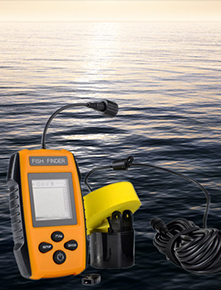
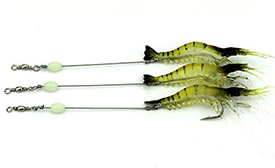
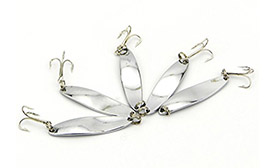

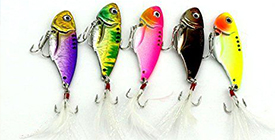
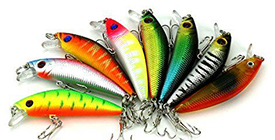

Last June, I was out on Lake Okeechobee—you know, that monster in southern Florida—with my buddy Jake. The sun was beating down so hard it felt like a furnace, and the humidity? It was thick enough to chew. We’d been casting Bass Fishing gear for three hours straight, and all we had to show for it was a couple of small bluegills and a whole lot of frustration. Jake was about to call it quits when I reached into my tackle box and grabbed this beat-up Crank Lures—the kind with a bright orange belly and a black back, covered in scratches from years of hitting logs. I cast it out about 50 yards, let it sink for 10 seconds, and started a slow retrieve. Halfway back, WHAM! Something hit that lure like a freight train. After a 10-minute fight, we hauled in a 7-pound largemouth bass—one of the biggest I’d caught all year. That day, that crank lure turned our disaster into a memory we still talk about.
I’ve been a fisherman for 20 years, and I’ve learned one thing: crank lures are some of the most versatile tools in any angler’s arsenal. But if you don’t know how to use them right, they’ll sit in your tackle box collecting dust. Let me break down what I’ve learned about crank lures—from what they are to when and how to use them to catch more fish.
What Exactly Are Crank Lures?
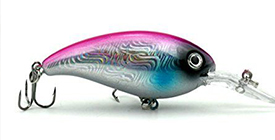
First off, let’s clear up what a crank lure is. A crank lure is a type of hard plastic bait that’s designed to dive underwater when you retrieve it. It has a bill (also called a lip) on the front that creates resistance against the water, causing the lure to dive to a specific depth. The bill also makes the lure wobble or vibrate, which mimics the movement of a wounded baitfish—something bass and other predatory fish can’t resist.
Crank lures come in all shapes and sizes. Some are tiny, only a couple of inches long, and dive just a few feet. Others are foot-long monsters that can reach depths of 20 feet or more. The size of the bill usually determines how deep the lure dives—smaller bills mean shallower dives, while larger bills mean deeper dives.
Why Crank Lures Work So Well
So why do crank lures catch so many fish? Let’s start with their action. When you retrieve a crank lure, it wobbles back and forth in the water. That wobble sends vibrations through the water that fish can feel with their lateral lines—even if they can’t see the lure. It’s like a dinner bell going off in their heads.
Crank lures are also incredibly effective at covering water quickly. If you’re fishing a new lake or a large area, you don’t have time to cast a soft plastic bait in every possible spot. With a crank lure, you can cast out, retrieve it, and repeat—covering 50 to 100 yards of water in just a few minutes. That increases your chances of finding active fish.
Depth Control Is Key
The secret to using crank lures successfully is depth control. If your lure isn’t diving to the right depth, you’re not going to catch many fish. So how do you know what depth to fish at?
Water temperature also plays a role in where fish are feeding. In the spring, when the water is around 60 to 68°F, bass will move to shallow areas to spawn. A shallow-diving crank lure (one that dives 2 to 5 feet) is perfect for this. In the summer, when the water gets above 70°F, bass will move to deeper, cooler water. A medium or deep-diving crank lure (one that dives 10 to 20 feet) will work better here.
Choosing the Right Crank Lure for the Situation
With so many crank lures on the market, it can be overwhelming to choose the right one. Let me give you some guidelines based on where you’re fishing and what you’re fishing for.
Shallow-Water Crank Lures
If you’re fishing in less than 5 feet of water—like around docks, weeds, or submerged logs—a shallow-diving crank lure is your best bet. Look for lures with small bills and a tight wobble. Colors like chartreuse, white, or bright orange work well in shallow, clear water. In muddy water, go with darker colors like black or blue.
Last spring, I was fishing in Lake Texoma—straddling the Texas-Oklahoma border—when the water temp was around 65°F. The bass were spawning in the shallow coves, so I used a shallow-diving crank lure with a chartreuse body and a white belly. I cast it right into the edge of the weeds and retrieved it slowly. I caught three bass in an hour—all over 5 pounds. The key was keeping the lure in the strike zone for as long as possible.
Medium-Depth Crank Lures
For water between 5 and 15 feet deep—like along drop-offs or points—a medium-diving crank lure is ideal. These lures have a medium-sized bill and a wider wobble. Colors like shad, crawfish, or perch patterns work well in most conditions. If the water is clear, use a more natural color. If it’s cloudy or muddy, go with a brighter color.
Once, while fishing in Lake Michigan—one of the Great Lakes—I was targeting smallmouth bass. The water temp was around 68°F, and the bass were holding on a drop-off that went from 10 to 15 feet deep. I used a medium-diving crank lure in a shad pattern. I cast it out to the edge of the drop-off, let it sink for 15 seconds, and retrieved it with a steady, medium speed. I caught two smallmouth bass that day—one was 3.5 pounds, and the other was 4 pounds. The key was hitting the right depth and retrieving the lure at a speed that mimicked the movement of shad.
Deep-Diving Crank Lures
For water deeper than 15 feet—like in the middle of a lake or along a deep channel—a deep-diving crank lure is a must. These lures have large bills and a wide, erratic wobble. Colors like black, blue, or purple work well in deep water. You’ll also want to use a heavier line (like 12 to 17-pound test) to help get the lure down to the right depth.
Last summer, I was fishing in Lake Erie—another Great Lake—when the water temp was around 75°F. The smallmouth bass were holding in 20 feet of water, so I used a deep-diving crank lure in a black and purple pattern. I cast it out as far as I could, let it sink for 30 seconds, and retrieved it with a slow, steady speed. After about 10 casts, I felt a huge tug. After a 15-minute fight, I hauled in a 5-pound smallmouth bass. It was one of the most memorable catches of my life.
How to Fish with Crank Lures
Now that you know what crank lures to use, let’s talk about how to fish with them. The key is to vary your retrieve speed and technique until you find what works. Here are some tips to get you started:
- Steady Retrieve: This is the most basic technique. Cast your lure out, let it sink to the desired depth, and retrieve it with a steady speed. This works well in most situations, especially when fish are feeding actively.
- Stop-and-Go Retrieve: This technique is great for when fish are less active. Retrieve your lure for a few seconds, then stop for a second or two. Repeat this cycle until you reach the shore. The stop-and-go movement mimics a wounded baitfish, which often triggers a strike.
- Trolling: Trolling is a technique where you drag your lure behind a moving boat. This is a great way to cover a lot of water quickly. Use a deep-diving crank lure and adjust your speed until you find what works. Last fall, I was trolling in Lake St. Clair—on the Michigan-Ontario border—with a deep-diving crank lure. I caught four walleye in two hours. The key was keeping the lure at the right depth and adjusting my speed based on where the fish were holding.
Common Mistakes to Avoid
Even the best anglers make mistakes with crank lures. Here are some common pitfalls to watch out for:
One mistake I see a lot of new anglers make is not letting the lure sink to the right depth. If you retrieve it too quickly after casting, it won’t reach the strike zone, and you’ll miss out on fish. The key is to count the seconds after casting to make sure you’re fishing at the right depth.
Another mistake is using the wrong color lure for the water conditions. If the water is clear, a natural color like shad or perch will work better. If it’s cloudy or muddy, go with a brighter color like chartreuse or orange. Using the wrong color can make it hard for fish to see the lure, which reduces your chances of catching them.
I also see anglers using too light a line when fishing with crank lures. Heavy monofilament or fluorocarbon line will help get the lure down to the desired depth and reduce the chance of the lure getting stuck in structures. If you use too light a line, the lure won’t dive as deep, and you’ll lose more fish to broken lines.
When to Use Crank Lures
Crank lures are effective in almost any fishing condition, but there are certain times when they work best. Let’s break it down by season.
Spring
In spring, when the water is cold (around 40 to 60°F), bass will move to shallow areas to spawn. Use a shallow-diving crank lure with a tight wobble. Cast it into the edge of the weeds or near submerged logs. Retrieve it slowly to mimic the movement of a slow-moving baitfish.
Last spring, I was fishing in Lake Travis—near Austin, Texas—when the water temp was around 55°F. The bass were spawning in the shallow coves, so I used a shallow-diving crank lure in a crawfish pattern. I cast it right into the edge of the weeds and retrieved it with a slow, steady speed. I caught two bass that day—both over 4 pounds. The key was keeping the lure in the strike zone for as long as possible.
Summer
In summer, when the water is hot (around 70 to 85°F), bass will move to deeper, cooler water. Use a medium or deep-diving crank lure with a wide wobble. Fish along drop-offs, points, or deep channels. Retrieve your lure with a steady, medium speed.
Last summer, I was fishing in Lake Fork—one of Texas’s best bass fishing lakes—when the water temp was around 80°F. The bass were holding in 15 feet of water, so I used a medium-diving crank lure in a shad pattern. I cast it out to the edge of the drop-off, let it sink for 10 seconds, and retrieved it with a steady speed. I caught three bass in an hour—all over 5 pounds. The key was hitting the right depth and retrieving the lure at a speed that mimicked the movement of shad.
Fall
In fall, when the water is cooling down (around 60 to 70°F), bass will move back to shallower areas to feed. Use a shallow or medium-diving crank lure with a tight wobble. Colors like shad or perch patterns work well. Retrieve your lure with a steady, fast speed to mimic the movement of fast-moving baitfish.
Last fall, I was fishing in Lake Erie when the water temp was around 65°F. The smallmouth bass were feeding on shad in the shallow bays, so I used a medium-diving crank lure in a shad pattern. I cast it out and retrieved it with a fast speed. I caught five smallmouth bass that day—all over 3 pounds. The key was matching the lure’s speed to the movement of the shad.
Winter
In winter, when the water is cold (around 40 to 50°F), bass will move to deeper water and become less active. Use a slow-sinking crank lure with a tight wobble. Colors like black or blue work well. Retrieve your lure with a slow, steady speed.
Last winter, I was fishing in Lake Okeechobee when the water temp was around 45°F. The bass were holding in 20 feet of water, so I used a slow-sinking crank lure in a black and blue pattern. I cast it out and retrieved it with a slow, steady speed. I caught two bass that day—both over 4 pounds. The key was being patient and keeping the lure in the strike zone for as long as possible.
A Couple of Quick Tips to Catch More Fish
Before I wrap this up, let me share a couple of quick tips that will help you catch more fish with crank lures:
Upgrade Your Hooks: Most crank lures come with cheap, dull hooks. Replace them with high-quality, sharp hooks. Sharp hooks make it easier to hook a fish and keep it on the line. Honestly, this small investment can make a huge difference in how many fish you catch.
Experiment with Different Depths: Don’t be afraid to experiment with different crank lures and depths. If you’re not catching anything in 10 feet of water, try fishing in 15 or 20 feet. You never know where the fish are holding.
Last month, I was fishing in Lake Mead—on the Nevada-Arizona border—when I couldn’t catch anything with my shallow-diving crank lure. I decided to try a deep-diving crank lure, and sure enough, I caught two bass in 20 minutes. The key was being willing to switch things up.
Use the Right Equipment: Make sure you use the right equipment for the job. A medium-heavy rod with a fast action is perfect for crank lures. A reel with a high gear ratio will help you retrieve the lure quickly if you need to. And always use heavy enough line to handle big fish and tough structures.
Final Thoughts
Crank lures are some of the most effective and versatile tools in any angler’s arsenal. With the right technique and a little patience, you can catch more fish than you ever thought possible. Remember to choose the right lure for the situation, vary your retrieve speed and technique, and use the right equipment. And most importantly, have fun! Fishing is supposed to be enjoyable, so don’t take it too seriously.
So next time you’re out on the water, reach into your tackle box and grab that beat-up crank lure. You never know—you might just catch the fish of a lifetime.
Tip: Next time you head out to your favorite lake, pack at least three different crank lures—one shallow-diving, one medium-diving, and one deep-diving. That way, you’ll be ready for any situation.


