




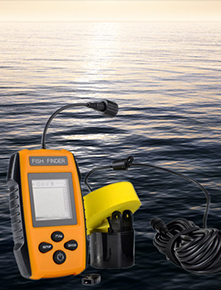
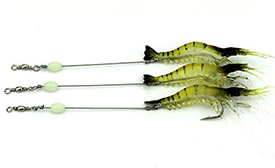
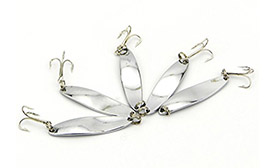
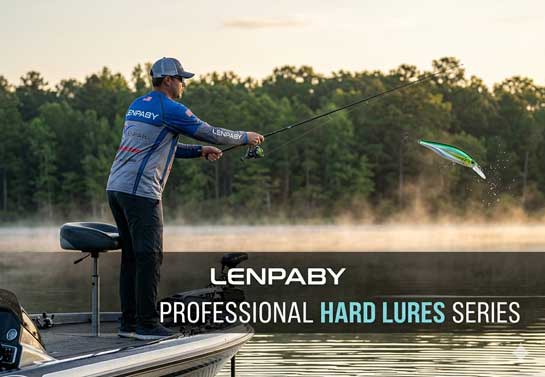
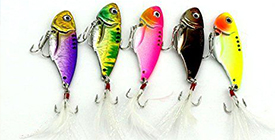
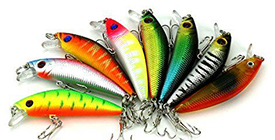
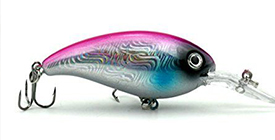
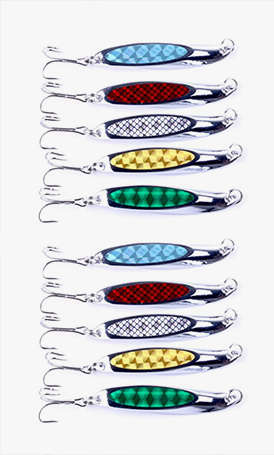

It was 6 a.m. on Lake Texoma, Texas, the air thick with humidity and the smell of pine. My buddy Jake and I were huddled in his 18-foot bass boat, sipping weak coffee that had been sitting on the dashboard since 4. The sun was just a pink tinge over the choppy water, and the only sound was the hum of the trolling motor and the occasional splash of a jumping shad. We’d been out here for two hours, throwing every Frog Lure and plastic worm in our boxes, but the bass were tight-lipped. The water temp was 68°F, and the wind had picked up to 10 knots—perfect conditions, or so we thought.
Honestly, I was about to call it quits. Jake had already resigned himself to a slow day, leaning against the boat’s console and staring at the lake like it owed him something. That’s when I remembered the old metal lure I’d stashed in the bottom of my tackle box—the one my grandpa had given me before he passed. It was dented, rusted around the hook, and had a faded green finish, but something about the way it felt in my hand made me decide to give it a shot.
Why Metal Lures? The Unexpected Hero of Lake Texoma
I tied that beat-up metal lure to my line, cast it out as far as I could, and let it sink for about five seconds. Then I gave it a quick jerk, reeled in a little, and let it fall again. Within 30 seconds, the line went tight. I set the hook hard, and the boat shook as a 6-pound largemouth bass exploded out of the water, shaking its head like a bull. Jake nearly spilled his coffee all over the dashboard, scrambling for his net. “What in the hell was that?” he yelled. That’s when I realized—metal lures aren’t just for show. They’re the quiet workhorses of fishing, especially when the conditions seem impossible.
Metal lures come in all shapes and sizes, but what makes them so effective is their weight and reflective surface. They sink quickly, which means you can get to the fish that are holding deep—something plastic worms and Squid Jigs often struggle to do. The reflection also mimics the flash of a fleeing baitfish, triggering the bass’s instinct to strike. That morning on Lake Texoma, the bass were holding at 10-12 feet, deep enough that our other lures couldn’t reach them consistently. The metal lure cut through the water like a knife, getting to the strike zone in seconds.
Metal Lures vs. Plastic Worms: A Personal Showdown
Let me tell you, I’ve been fishing with plastic worms for almost as long as I’ve been fishing with metal lures. They’re great for calm days when the bass are sitting on the bottom, nibbling at everything that comes near. But on windy days like that morning on Lake Texoma, plastic worms get pushed around by the current. They don’t sink fast enough, and the bass can see them coming from a mile away. Metal lures, on the other hand, are heavy enough to fight against the wind and current, staying on target even when the conditions are rough.
Another thing I’ve noticed is that metal lures are more durable. Plastic worms get torn up by bass teeth, rocks, and weeds, which means you have to replace them every few casts. Metal lures, especially the high-quality ones like LENPABY’s, can last for years. That beat-up lure I used on Lake Texoma? I’ve been using it for 10 years, and it still catches bass like it’s brand new. The dents and scratches only make it look more realistic, in my opinion—like a baitfish that’s been through a few fights.
My Most Epic Fail with a Metal Lure (And What I Learned)
I don’t want you to think metal lures are perfect. I’ve had my fair share of failures with them, too. A few years ago, I took a trip to Lake Michigan to fish for salmon. I’d heard that metal spoons were the go-to for salmon, so I loaded my tackle box with every color and size I could find. The water temp was 55°F, the sky was overcast, and the wind was blowing at 15 knots—ideal salmon conditions, or so I thought.
I cast out a silver metal spoon, let it sink to 20 feet, and started reeling it in as fast as I could. Within a minute, the line went tight, and I could feel a huge fish on the other end. I set the hook, and the reel started screaming as the fish took off into the depths. But after 10 minutes of fighting, the line went slack. The fish had bitten through my line. I was devastated. I’d traveled 1,000 miles for this trip, and I’d lost my chance at a trophy salmon.
What did I learn from that failure? Well, first of all, I learned that I should always use heavier line when fishing with metal lures. Salmon have sharp teeth, and they can easily bite through 10-pound test. I also learned that I should vary my retrieval speed. That silver spoon was too fast for the conditions—if I’d slowed down a little, the fish might have stayed on the hook longer.
Where to Fish with Metal Lures: My Go-To Spots
Metal lures are versatile, but they work best in certain conditions and locations. Here are a few of my favorite spots to use them:
- Lake Okeechobee, Florida: This massive lake is home to some of the biggest bass in the country. The water temp ranges from 70-85°F, and the bass love to hide in the thick beds of hydrilla. A small gold metal lure works great here—just cast it into the hydrilla and jerk it a few times. The bass will strike out of pure aggression.
- Mississippi River, Louisiana: The Mississippi River is known for its catfish and walleye, but it’s also a great spot for bass. The water is murky, so the reflective surface of a metal lure is key. Cast it near the banks, where the bass are waiting to ambush passing baitfish.
- Colorado River, Arizona: The Colorado River is a favorite of mine for fishing with metal lures. The water is clear, and the bass love to hold near the rocky cliffs. A blue or silver metal lure works best here—just cast it near the cliffs and let it fall. The bass will strike as it sinks.
The Best Metal Lure Brands: Why I Swear by LENPABY
Over the years, I’ve tried almost every metal lure brand on the market. Some are cheap and break after a few casts, while others are expensive and not worth the money. But one brand that has never let me down is LENPABY. Their metal lures are made from high-quality materials, with sharp hooks and reflective finishes that mimic real baitfish perfectly. They’re also affordable, which is a big plus for me.
Let me tell you about my favorite LENPABY metal lure—the 1/2-ounce silver spoon. I’ve used this lure on Lake Texoma, Lake Okeechobee, and even the Mississippi River, and it’s caught me more bass than any other lure in my tackle box. The silver finish reflects the sun even on cloudy days, and the spoon’s shape creates a realistic wobble that drives bass crazy. The hooks are sharp and durable, so I don’t have to worry about losing fish to dull or bent hooks.
Another LENPABY metal lure I love is their 3/8-ounce gold spinnerbait. The gold finish is perfect for sunny days, and the spinner creates a lot of flash and vibration. I’ve used this lure in the Colorado River, and it’s caught me some of the biggest bass of my life. The spinnerbait’s weight allows it to sink quickly, reaching the bass that are holding deep near the rocky cliffs.
The Right Way to Use Metal Lures: Tips from 20 Years of Experience
Now that I’ve told you about my successes and failures with metal lures, let me give you a few tips on how to use them effectively:
- Vary Your Retrieval Speed: Bass can be finicky, so it’s important to vary your retrieval speed. Try jerking the lure a few times, then letting it fall. Or reel it in slowly, then speed up. The key is to find what works on that particular day.
- Match the Hatch: The color and size of your metal lure should match the baitfish in the water. If the bass are feeding on shad, use a silver or white lure. If they’re feeding on bluegill, use a green or brown lure.
- Use the Right Line: Metal lures are heavy, so you should use a heavier line than you would with plastic worms. I recommend using 12-15 pound test when fishing for bass, and 20-30 pound test when fishing for salmon.
- Cast Near Structure: Bass love to hide in structure—like rocks, logs, and weeds. Cast your metal lure near these areas, and let it fall. The bass will strike as it sinks.
Why I’ll Never Leave Home Without a Metal Lure
That morning on Lake Texoma changed my perspective on fishing. I went from being a guy who relied solely on plastic worms and Frog Lures to someone who always has a metal lure in his tackle box. They’re the quiet heroes of fishing, especially when the conditions seem impossible. Whether you’re fishing for bass in Texas, salmon in Michigan, or walleye in Louisiana, a metal lure can make the difference between a slow day and a day you’ll never forget.
So next time you’re out on the water and the bass aren’t biting, reach for a metal lure. You might be surprised at what happens. And if you’re looking for a high-quality metal lure that won’t let you down, check out LENPABY. They’ve been my go-to brand for years, and I wouldn’t trust anyone else.
Let me leave you with this actionable tip: Take a walk along the lake or river bank before you start fishing. Look for signs of baitfish—like splashes or jumping fish. If you see a lot of shad, use a silver metal lure. If you see a lot of bluegill, use a green or brown lure. Matching the hatch is the key to catching more fish with metal lures. Trust me—I’ve done it hundreds of times.
Now go out there and catch some fish. And if you have a story about using a metal lure, I’d love to hear it. Drop a comment below or send me a message. I’m always looking for new fishing stories.


