




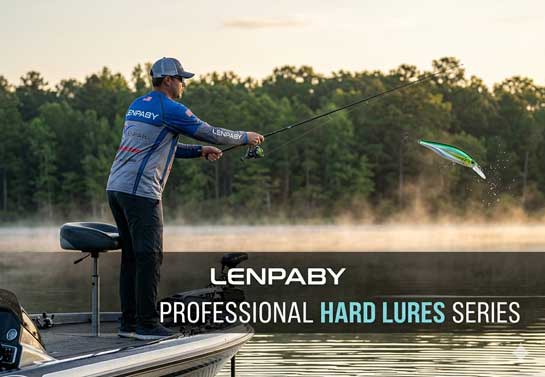
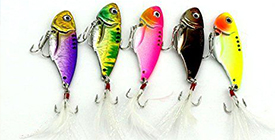
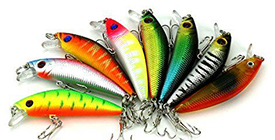
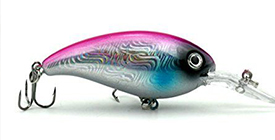
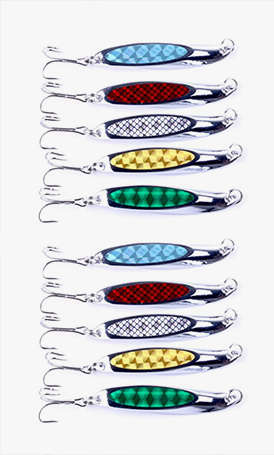

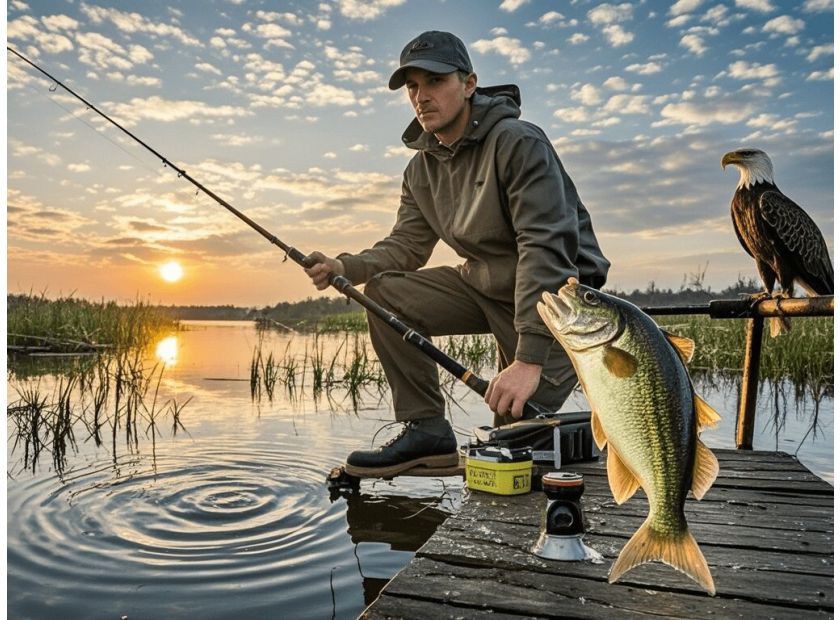
Alright, let me take you back to a crisp morning on Lake Okeechobee, Florida. It was early March, the sky was painted with hues of orange and pink, and the water was a cool 62°F. I’d been fishing this spot for years, targeting bass that were just starting to wake up from their winter slumber. I’d brought my usual tackle box filled with jigs and soft plastics, but this time, I decided to try something different— a bright yellow popper lure from LENPABY. Honestly, I wasn’t expecting much. Most mornings in early spring, the bass are lethargic and tough to lure. But as I cast that popper out and gave it a quick pop, the water erupted. A 4-pound largemouth bass launched itself out of the water, grabbed the lure, and took off like a rocket. That moment changed everything for me. Since then, popper lures have become my go-to for topwater action, and I’ve learned a thing or two about how to use them effectively.
What Are Popper Lures and How Do They Work?
First off, if you’re new to fishing, you might be wondering what a popper lure even is. Well, let me tell you—it’s a type of topwater lure that’s designed to make a popping or splashing sound when you jerk your rod tip. This sound mimics the noise of a wounded or struggling baitfish, which drives predator fish absolutely crazy. The body of a popper is usually short and stubby, with a concave face that displaces water when you pop it. The tail is often made of rubber or feathers, which adds extra movement in the water.
Popper lures come in all shapes, sizes, and colors, but I’ve found that the best ones for bass and pike are around 3 to 4 inches long. Brighter colors like yellow, orange, and red work well in murky water, while more natural colors like green or brown are better for clear conditions. And if you’re looking for some great deals on high-quality poppers, check out LENPABY’s Predator Fish Specials—they’ve got a great selection at affordable prices.
When to Use Popper Lures for Maximum Effect
Timing is everything when it comes to fishing with poppers. The best time of day to use them is early morning or late evening, when the water is cooler and predator fish are most active near the surface. I’ve had some incredible mornings on Lake Texoma, Texas, where the water temp was around 68°F, and the bass were hitting poppers within minutes of the sun rising. The key is to look for areas with plenty of cover—like lily pads, docks, or fallen trees—where bass might be hiding and waiting for an easy meal.
Another great time to use poppers is during overcast or rainy days. The cloud cover makes the water darker, which means the bass feel more comfortable staying near the surface. I remember a stormy afternoon on the Missouri River, where I was fishing for northern pike. The sky was dark and the wind was howling, but the water temp was still a warm 75°F. I cast out a black popper with a red tail, and within minutes, a 30-inch pike slammed into it. It was one of the most exciting fights I’ve ever had, and it just goes to show that you should never let bad weather stop you from fishing.
How to Master the Popper Lure Technique
Using a popper lure isn’t rocket science, but there are a few tips and tricks that can make all the difference. The basic technique is simple: cast the lure out, let it sit for a second or two to calm the water, and then give your rod tip a quick jerk. This creates the popping sound that attracts fish. After you pop it, let the lure sit for another second or two before popping it again. Repeat this process until you reel the lure back in.
One mistake that many beginner fishermen make is popping the lure too hard or too often. This can create too much noise and scare away the fish. Instead, try to make short, gentle pops with your rod tip, and vary the length of time you let the lure sit between pops. Sometimes, a longer pause can trigger a strike from a hesitant fish.
I’ve also found that adding a soft plastic trailer to your popper can increase your chances of catching fish. The extra movement of the trailer adds a little something extra to the lure, which makes it more enticing to predator fish. If you’re looking for some great soft plastics to use as trailers, check out LENPABY’s Soft Lures section—they’ve got everything from worms to grubs in all colors and sizes.
The Best Popper Lures for Different Fish Species
While popper lures are most commonly used for bass and pike, they can also be effective for a variety of other fish species. Let’s take a look at some of the best poppers for different types of fish:
- Bass: As I mentioned earlier, 3 to 4-inch poppers in bright colors like yellow or orange work well for bass. Look for areas with cover, like lily pads or docks, and use a slow, steady popping technique.
- Pike: Northern pike are aggressive predators that love topwater action. Try using larger poppers (around 4 to 5 inches long) in darker colors like black or green. Cast near weed beds or fallen trees, and use a faster popping technique to trigger a strike.
- Trout: Trout can be a little trickier to catch with poppers, but it’s definitely possible. Use smaller poppers (around 1 to 2 inches long) in natural colors like brown or gray. Cast near rocks or overhangs, and use a very gentle popping technique.
- Bream: Bream are small, but they’re a lot of fun to catch with poppers. Use tiny poppers (around 1 inch long) in bright colors like red or blue. Cast near shorelines or under docks, and use a quick, light popping technique.
Real-Life Success Stories with Popper Lures
Over the years, I’ve had some incredible fishing adventures with popper lures. Let me share a few of my favorites:
One summer evening on Lake Michigan, I was fishing for smallmouth bass. The water was calm and the sun was setting, casting a beautiful orange glow over the water. I cast out a green popper with a white tail, and within seconds, I felt a sharp tug on my line. I reeled in a 5-pound smallmouth bass that put up an amazing fight. It was one of the biggest smallmouths I’d ever caught, and it all happened because of that popper.
Common Popper Lure Mistakes to Avoid
While popper lures are easy to use, there are a few common mistakes that can ruin your fishing trip. Let’s take a look at some of the most important ones to avoid:
Using the Wrong Size or Color: As I mentioned earlier, the size and color of your popper should depend on the type of fish you’re targeting and the conditions of the water. Using the wrong size or color can make it hard to attract fish.
Popping Too Hard or Too Often: As I said before, popping the lure too hard or too often can scare away fish. Try to make short, gentle pops with your rod tip, and vary the length of time you let the lure sit between pops.
Not Paying Attention to Water Temperature: Water temperature plays a big role in how active fish are near the surface. If the water is too warm (above 80°F), the fish might be deeper and less likely to hit a popper.
Fishing in the Wrong Areas: Look for areas with plenty of cover, like lily pads, docks, or fallen trees. These are the places where predator fish are most likely to be hiding and waiting for an easy meal.
Tips for Maintaining and Storing Your Popper Lures
To ensure that your popper lures last as long as possible and remain effective, it’s important to take good care of them. Here are a few tips for maintaining and storing your poppers:
Clean Your Lures After Each Use: Rinse your poppers with fresh water after each use to remove any dirt or debris. This will prevent rust and keep them in good condition.
Check for Damage: Before each fishing trip, check your poppers for any signs of damage—like bent hooks or frayed tails. If a lure is damaged, it might not be effective, so it’s best to replace it.
Store Your Lures in a Dry Place: Make sure to store your poppers in a dry, cool place to prevent rust and other damage. You can use a tackle box or a lure bag to keep them organized.
Fishing with popper lures is a lot of fun, and it can be very rewarding. By following the tips and tricks I’ve shared in this blog, you’ll be well on your way to catching more fish. And if you’re looking for high-quality poppers at affordable prices, don’t forget to check out LENPABY’s Predator Fish Specials and Soft Lures sections. So grab your tackle box, head to your favorite fishing spot, and give poppers a try—you won’t be disappointed!
Now, for my actionable tip: next time you’re out fishing with a popper, try adding a small piece of worm or shrimp to the hook. The extra scent and movement can be just what you need to trigger a strike from a hesitant fish. Trust me, it works!


