






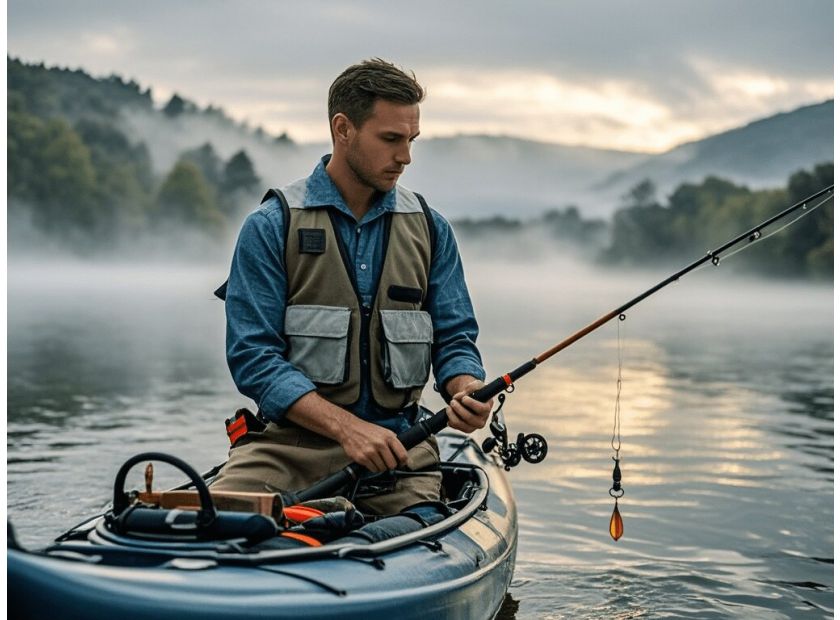
Let me tell you about a night I’ll never forget on Lake Texoma—you know, that massive reservoir straddling Texas and Oklahoma. It was late October, the kind of night where the air bites your cheeks and the moon hangs so bright you can see your shadow on the water. Me and my buddy Jake had been fishing catfish all evening with no luck, and we were just about to pack up when I noticed something strange: little silver flashes darting under the dock lights, zipping around like tiny rockets. “Squid,” Jake said, squinting at the water. “I’ve heard people talk about catching them here, but I never thought we’d actually see them.”
Honestly, I’d never fished for squid before. I grew up in Corpus Christi chasing redfish and trout in the bays, and the closest I’d come to squid was the stuff they serve at seafood restaurants. But Jake had a few old squid jigs in his tackle box—beat-up things with green skirts and metal spikes—and he tossed one to me. “Just cast it out, let it sink a little, then jig it up and down fast,” he said. “Like you’re trying to make it swim away from a bigger fish.”
The First Catch
I did exactly what he said. I cast the jig out about 20 feet from the dock, let it sink for 10 seconds, then started popping it up and down. On my third retrieve, I felt a sharp, jolting tug—so strong I thought I’d hooked a bass. But when I reeled it in, there it was: a glistening, ink-spewing squid, wrapped around the jig like it was holding on for dear life. “You got one!” Jake yelled, slapping my back so hard I nearly dropped the rod. That was the start of a six-hour squid-fishing marathon. By the time the sun peeked over the trees, we’d caught 47 squid—enough to feed our families for a week and then some.
That night changed everything for me. I went from a guy who thought squid fishing was just a “coastal thing” to someone obsessed with figuring out how to catch them consistently. Over the next decade, I fished for squid all across the US—from the cold waters of Lake Michigan to the warm, shallow bays of Florida’s Okeechobee. And the one thing that stayed constant? The importance of using the right squid jig. Let’s talk about why these little lures are so special, and how you can use them to catch more squid than you ever thought possible.
What Makes a Great Squid Jig?
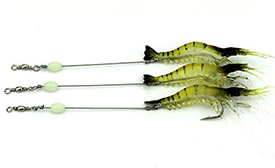
First off, let’s get something straight: squid jigs aren’t your average lures. They’re designed specifically to mimic the way small crustaceans and fish swim, and they use a combination of color, movement, and texture to attract squid. If you’ve never used one before, you might think they look a little weird—they usually have a long, cylindrical body with a skirt made of silicone or rubber, and a bunch of tiny metal spikes called “prongs” sticking out from the bottom. But trust me, that weird design works.
One of my favorite squid jigs is from LENPABY. They make Squid Jigs in all kinds of colors and sizes, and I’ve tested nearly all of them. My go-to for most situations is their 3.5-inch green glow jig. The green glow is perfect for low-light conditions (like that night on Lake Texoma), and the prongs are sharp enough to hold onto even the biggest squid. I’ve also used their blue and white jigs in clear water, and they work just as well. But color isn’t the only thing that matters—you also need to choose the right size.
Size is critical when it comes to squid jigs. If your jig is too big, you’ll scare off smaller squid. If it’s too small, you might not get the attention of the bigger ones. From what I’ve seen, the sweet spot for most US waters is between 2.5 and 4 inches long. For example, when I’m fishing in Lake Michigan (where squid tend to be smaller, around 6-8 inches), I use a 2.5-inch jig. But when I’m fishing in Florida’s Gulf Coast (where squid can grow up to 12 inches), I bump it up to a 4-inch jig. The best way to figure out what size works is to start with a medium-sized jig and adjust based on what you catch.
Where to Find Squid in the US
Now, let’s talk about where to find squid. A lot of people think squid are only found in the ocean, but that’s not true. There are several freshwater lakes and reservoirs in the US that have populations of squid—usually introduced by humans for sport or to control algae. Some of my favorite places to fish for squid include:
- Lake Texoma (Texas/Oklahoma): As I mentioned earlier, this reservoir is a squid-fishing hotspot. The water temp here stays around 68°F in October, which is perfect for squid. Look for them under dock lights or near bridges at night.
- Lake Michigan (Wisconsin/Illinois/Indiana/Michigan): Lake Michigan has a huge population of European squid, which were introduced in the 1980s. The best time to catch them is in late summer and early fall, when the water temp drops to around 60°F. Look for them near rocky shores or around piers.
- Lake Okeechobee (Florida): This shallow lake in South Florida is home to both freshwater and saltwater squid. The best time to fish here is in the early morning or late evening, when the water is calm. Look for squid near weed beds or around lily pads.
- Gulf Coast (Texas/Louisiana/Mississippi/Alabama/Florida): The Gulf Coast has some of the best saltwater squid fishing in the US. Look for squid near reefs, jetties, or oil rigs. The water temp here stays around 70-75°F year-round, so you can fish for squid whenever you want.
One thing to keep in mind is that squid are highly migratory. They move around a lot depending on the time of day, water temp, and availability of food. That’s why it’s important to be flexible and willing to move if you’re not catching anything. For example, if you’re fishing under a dock light and you don’t see any squid after 30 minutes, try moving to another dock or a different part of the lake. Squid are always on the move, so you need to be too.
How to Fish a Squid Jig
Now that you know where to find squid and what jig to use, let’s talk about how to fish it. The technique I use is called “jigging,” and it’s pretty simple once you get the hang of it. Here’s a step-by-step guide:
Next, let the jig sink. The amount of time you let it sink depends on how deep the water is and how active the squid are. As a general rule, I let the jig sink for 5-10 seconds. If you’re fishing in deeper water, you might need to let it sink for 15-20 seconds. You’ll know the jig has reached the bottom when you feel a slight “thud” or when the line goes slack.
Once the jig has sunk, start jigging it up and down. The key here is to make the jig look like a small, scared fish swimming away from a predator. I like to use short, fast jerks—about one per second. As you jig, reel in the slack so the line stays tight. This will help you feel any bites.
When you feel a bite, don’t set the hook right away. Squid have a different mouth structure than fish—they don’t have teeth, so they can’t “bite” the hook. Instead, they wrap their tentacles around the jig and pull it into their beak. That means you need to give them a few seconds to wrap around the jig before you start reeling in. Once you feel a consistent tug, start reeling in slowly but steadily. Squid are surprisingly strong, so you’ll need to keep the line tight the entire time.
One thing I’ve learned the hard way: don’t reel in too fast. If you reel in too quickly, the squid will let go of the jig. Take your time, and let the squid tire itself out before you bring it to the surface. Once the squid is close to the boat or dock, use a net to scoop it up. Be careful—it might squirt ink at you!
Common Mistakes to Avoid
Let’s be real: I’ve made my fair share of mistakes when it comes to squid fishing. In fact, my first few trips after that night on Lake Texoma were pretty frustrating. But every mistake taught me something, and now I want to share those lessons with you so you don’t have to go through the same thing.
One of the biggest mistakes I made early on was using the wrong color jig. I thought that since squid are silver, a silver jig would work best. But I was wrong. Squid are attracted to bright, contrasting colors—especially green, blue, and white. The green glow jig from LENPABY is my go-to for low-light conditions, and their blue and white jig works great in clear water.
Another mistake I made was jigging too slowly. I used to think that a slow, steady retrieve would mimic a wounded fish, but squid are more attracted to fast, erratic movement. If you’re not getting any bites, try speeding up your jigging. You might be surprised at how much difference it makes.
I also used to set the hook too soon. Like I mentioned earlier, squid don’t “bite” the hook—they wrap their tentacles around it. If you set the hook right away, you’ll just yank the jig out of their grasp. Give them 2-3 seconds to wrap around the jig before you start reeling in.
Why Squid Jigs Are Better Than Other Lures
You might be wondering: why should I use a squid jig when I could just use a regular fishing lure? The answer is simple: squid jigs are designed specifically to mimic the way squid hunt. Other lures are designed to mimic fish or insects, which doesn’t work very well for squid. Here are a few reasons why squid jigs are better:
Metal Lures vs. Squid Jigs
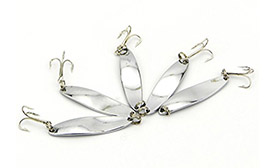
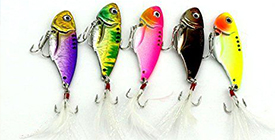
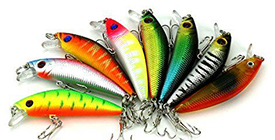
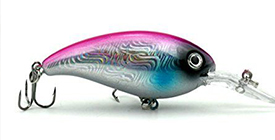
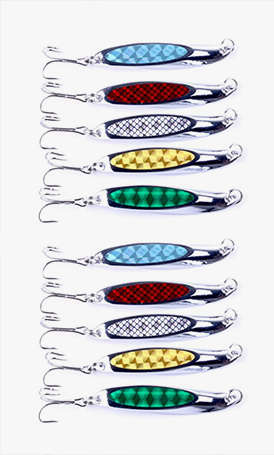
Now, let’s talk about Metal Lures. You might be wondering if you can use metal lures to catch squid. The short answer is yes—but they’re not as effective as squid jigs. Metal lures are designed to mimic small fish or insects, which is fine for catching bass, trout, or walleye. But squid are more attracted to the fast, erratic movement of a squid jig with prongs.
That being said, there are some situations where metal lures might work. For example, if you’re fishing in very deep water where squid are feeding on small fish, a metal lure might be effective. But in most cases, you’ll catch more squid with a squid jig than you will with a metal lure.
So why am I mentioning metal lures? Because if you don’t have a squid jig, a metal lure is better than nothing. Just make sure to use a small, bright-colored lure and to jig it fast and erratically. You might not catch as many squid as you would with a squid jig, but you’ll still have a good time.
Final Thoughts
After 20 years of fishing for squid, I’ve learned one thing: there’s no such thing as a “perfect” squid jig. The best jig for you depends on the water conditions, the time of day, and the type of squid you’re trying to catch. That’s why I always carry a variety of jigs in my tackle box—from small green glow jigs to large blue and white jigs. You never know what will work on any given day.
But if I had to pick one jig that works in most situations, it would be the 3.5-inch green glow squid jig from LENPABY. I’ve used this jig to catch squid in Texas, Florida, Wisconsin, and Michigan. It’s durable, easy to use, and it attracts squid like crazy. If you’re new to squid fishing, this is the jig I recommend you start with.
Before we wrap up, let me leave you with one last tip. If you’re fishing for squid at night, bring a headlamp with a red light. Squid are sensitive to bright lights, so a red light won’t scare them away. It will also help you see your line and your jig without spooking the squid. Trust me—this little tip will make a huge difference in how many squid you catch.
So what are you waiting for? Grab a squid jig, head to your favorite lake or bay, and give it a try. You might be surprised at how much fun you have. And who knows—you might even end up with a cooler full of fresh squid for dinner.
Happy fishing!


