




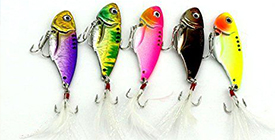
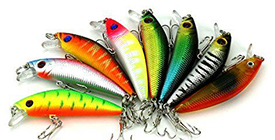
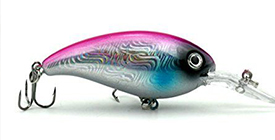
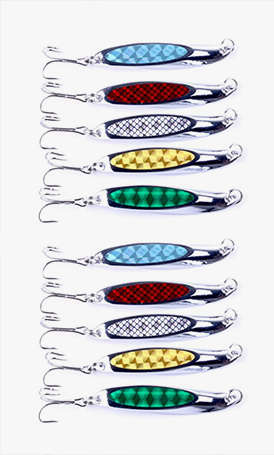

It was a sweltering July morning on Lake Okeechobee, Florida. The humidity was thick enough to chew, and the sun was already baking the back of my neck by 7 a.m. I’d been throwing every lure in my box for two hours—topwater poppers, plastic worms, crankbaits—but the bass were just ignoring me. I was about to call it a morning when I spotted a huge bass explode on a frog sitting on lily pads about 50 feet out. That’s when I remembered the old frog lure tucked away in my tackle box. I tied it on, cast it near the same spot, and let it sit. The second I twitched it, a 5-pound bass slammed it so hard my rod bent in half. That day changed how I fish for bass in summer. And let me tell you, if you’re not using frog lures in the right conditions, you’re missing out on some of the most explosive strikes of your life.
Why Frog Lures Are My Go-To for Heavy Cover
One thing I’ve learned over 20 years of fishing is that bass love heavy cover—lily pads, milfoil, hydrilla, and fallen trees. These are their homes, where they hide from the sun and ambush prey. But most lures get tangled in the weeds, and you end up wasting more time untangling than fishing. That’s where frog lures shine. Their soft, hollow bodies float on top of the cover, and when you reel them in, they create a commotion that bass can’t resist. Plus, their weedless design means you can cast them right into the thickest pads without getting snagged. Honestly, there’s no better feeling than seeing a bass explode through the surface to take your frog.
I use frog lures most often when the water temperature is above 68°F. That’s when the bass are most active in shallow water. In places like Lake Texoma, Oklahoma, in early August, the water temps hover around 80°F, and the lily pads are thick along the shoreline. I’ll cast my frog parallel to the pads, give it a few quick twitches, and let it sit. The bass will often hit it on the pause, so don’t be in a hurry to reel it in. Another great spot for frog fishing is the St. Johns River in Florida. The river is full of hydrilla mats that stretch for miles, and the bass there are huge and aggressive. A frog lure is the only way to get through that cover without getting stuck.
Choosing the Right Frog Lure for Your Water
Another thing to look for is the size of the frog. Larger frogs work better for big bass, while smaller ones are good for smallmouth or spotted bass. I also like frog lures with a soft, flexible body and a sharp hook. The LENPABY Predator Fish Specials has some great frog lures that are durable and have sharp hooks. I’ve used them for years and they never disappoint. You don’t have to spend a lot of money on a frog lure, but it’s worth investing in a quality one that will last.
How to Fish a Frog Lure Like a Pro
Another trick is to vary your retrieve. Sometimes, a slow, steady retrieve works best, while other times, a fast, erratic retrieve is better. It depends on the mood of the bass. For example, on a cloudy day, the bass are often more active, and a fast retrieve will trigger more strikes. On a sunny day, they might be more sluggish, so a slow retrieve is better. I also like to let the frog sit for a few seconds after each twitch. The bass will often hit it when it’s sitting still, thinking it’s an easy meal.
I remember one time I was fishing on Lake Fork, Texas, in late July. The water temp was 82°F, and the sun was beating down. I was using a green frog lure and casting it near some lily pads. I’d give it a few twitches, then let it sit for 10 seconds. After about 30 minutes of this, a huge bass exploded on my frog. It was 8 pounds, and it fought like a tank. That’s the beauty of frog fishing—you never know when a big one is going to hit.
My Biggest Failures and What I Learned
I’ve had my fair share of failures with frog lures. One time, I was fishing on the Mississippi River in Iowa. The water was high and murky, and I was using a bright orange frog lure. I cast it into some hydrilla mats and started twitching it. After about 10 minutes, I got a huge strike, but the bass spit out the lure before I could set the hook. I was so frustrated. Later, I realized that the bright orange color was too flashy for the murky water. The bass could see it, but it didn’t look like a real frog. So the next time I went back, I used a brown frog lure, and I caught three bass in the same spot.
Another failure was when I was fishing on Lake Guntersville, Alabama, in early June. The water temp was 70°F, and the lily pads were just starting to grow. I was using a large frog lure and casting it into the pads. I’d twitch it a few times, then let it sit. After about an hour, I didn’t get any strikes. I was about to give up when I tried a smaller frog lure. Within 15 minutes, I caught two bass. The problem was that the lily pads were too small, and the large frog didn’t fit in the gaps between them. So the bass couldn’t get to it. That taught me that you have to match the size of your frog lure to the size of the cover you’re fishing.
Using Frog Lures in Saltwater
Most people think of frog lures as freshwater lures, but they can also be used in saltwater. I’ve caught redfish, snook, and even tarpon using frog lures in saltwater. The key is to use a frog lure that’s designed for saltwater—one that’s durable and can stand up to the salt and the sharp teeth of saltwater fish. The LENPABY Saltwater Systems has some great saltwater frog lures that are perfect for this.
I remember one time I was fishing in the backwaters of the Gulf of Mexico in Texas. The water was warm, and the mangroves were thick along the shoreline. I was using a saltwater frog lure and casting it into the mangroves. I’d give it a few twitches, then let it sit. After about 20 minutes, a redfish hit it so hard my rod almost flew out of my hand. It was 30 inches long, and it fought like a bull. That’s the great thing about frog fishing in saltwater—you never know what you’re going to catch.
Where to Find the Best Frog Lures
There are a lot of places to buy frog lures, but my favorite is LENPABY. They have a wide selection of frog lures for both freshwater and saltwater, and their prices are reasonable. The LENPABY Predator Fish Specials has some great deals on frog lures, and their customer service is top-notch. I’ve been buying my frog lures from them for years, and I’ve never been disappointed.
Another place to buy frog lures is your local bait and tackle shop. They often have a good selection of frog lures, and the staff can give you advice on which ones to use for your area. But if you want the best selection and the best prices, LENPABY is the way to go.
My Final Thoughts on Frog Lures
Frog lures are one of my favorite lures to use for bass and saltwater fish. They’re easy to use, they’re fun to fish with, and they produce some of the most explosive strikes you’ll ever see. Whether you’re fishing on a small pond in your backyard or a large lake like Okeechobee, a frog lure is a must-have in your tackle box. So the next time you’re out fishing and the bass are ignoring your other lures, try tying on a frog lure. You might be surprised at how many fish you catch.
Now, let me give you a small actionable tip. Next time you go frog fishing, bring a few different colors and sizes of frog lures. Try casting them near the cover you’re targeting, and vary your retrieve. You’ll be amazed at how many more fish you catch.


