




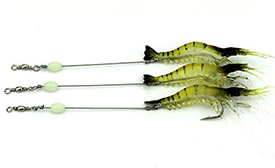
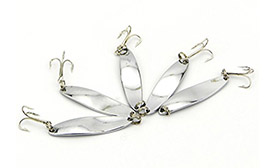

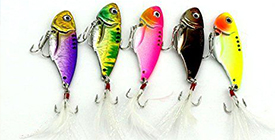
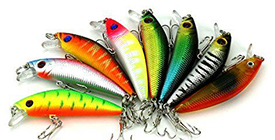
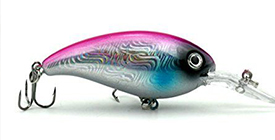
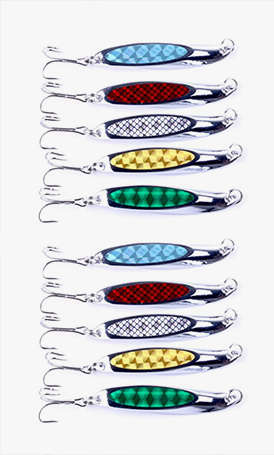

Let me start by painting a picture for you, buddy. It was early October on Lake Texoma, that massive reservoir straddling Texas and Oklahoma. The air was crisp—52°F at dawn, with a light southwest breeze rippling the surface. I’d been out here before, but this trip felt different; I’d brought along a new tackle box full of Predator Fish Specials, and I was itching to test them on some largemouth bass.
For the first hour, I threw every hard lure I owned—crankbaits, spinnerbaits, topwaters—but the bass were just ignoring them. The water temp hovered around 62°F, and with the sun just peeking over the trees, I knew they should be feeding. I was getting frustrated, honestly. That’s when I decided to reach into my new tackle box and grab the first soft lure I saw.
It was a curly-tail grub, a little one, maybe 3 inches long, in a watermelon red color. I rigged it on a 1/8-ounce jig head and cast it toward a stand of submerged willow trees. I let it sink for a count of three, then started a slow retrieve with occasional pauses. On my third cast, I felt that familiar thump—nothing huge, but it was a bite. I set the hook and pulled in a 1.5-pound largemouth. It wasn’t a trophy, but it was the first fish of the day, and it taught me something valuable: sometimes soft lures are exactly what the fish want.
Why Soft Lures Win on Temps Below 70°F
I’ve fished all over the country—from Florida’s Lake Okeechobee to Michigan’s inland lakes—and one thing I’ve noticed is that soft lures excel in cooler water. When the water temp drops below 70°F, fish metabolism slows down. They don’t want to chase fast-moving hard lures; they want something easy to catch.
Take that Lake Texoma trip. The bass were holding tight to the structure, conserving energy. The curly-tail grub I used was slow-moving and lifelike. The way it wiggled through the water mimicked a wounded baitfish or a crawdad just trying to get away. It was an easy target, and the bass couldn’t resist it.
I’ve seen this pattern repeat itself time and time again. On Lake Okeechobee in early spring, when the water temp is around 65°F, I’ll use a 4-inch worm rigged Texas-style near the lily pads. The slow, subtle movement drives the bass crazy. On Michigan’s Lake Huron in fall, when the temp drops to 58°F, a small minnow-shaped soft lure on a light jig head will catch walleye after walleye.
Choosing the Right Soft Lure for the Season
Not all soft lures are created equal, buddy. The key is to match the lure to what the fish are feeding on and the conditions you’re fishing in.
In spring, when the water temp is between 55°F and 65°F, fish are spawning or just coming off the spawn. They’re feeding on small baitfish and crawdads. My go-to lures are curly-tail grubs and small worms. The grub’s wiggling tail attracts attention, while the worm’s slow drift is perfect for spawning bass guarding their nests.
In summer, when the water temp hits 75°F or higher, things change. Fish are more active and will chase faster lures. But even then, soft lures have their place. I like to use Penceil Vib Lures near deeper structure—they sink quickly and have a subtle vibration that attracts bass, walleye, and even muskie.
In fall, as the water cools down to 60°F to 70°F, I’ll switch back to slower lures. A 5-inch jerkbait-style soft lure on a weighted hook is perfect for mimicking a dying baitfish. The fish are feeding heavily to fatten up for winter, so they’ll hit anything that looks like an easy meal.
In winter, when the water temp drops below 55°F, fishing can be tough. But soft lures can still work. I’ll use a small minnow-shaped lure on a 1/16-ounce jig head and fish it slow—like, really slow. The key is to keep the lure near the bottom where the fish are holding. I’ve caught some of my biggest walleye in winter using this method on Minnesota’s Lake Mille Lacs.
The Best Rig for Curly-Tail Grubs
My favorite rig for curly-tail grubs is the jig head. It’s simple, effective, and easy to use. Here’s how I do it:
- Choose a jig head weight based on the depth you’re fishing. For shallow water (less than 5 feet), I use a 1/8-ounce jig head. For deeper water (10 feet or more), I’ll go up to 1/4 ounce.
- Rig the grub by threading the hook through the head of the lure and out the body. Make sure the hook point is exposed so you can set it properly.
- Cast the lure toward the structure—submerged trees, rocks, or lily pads. Let it sink to the bottom, then retrieve it with a slow, steady motion, pausing every few feet.
This rig works everywhere I go. On Texas’ Lake Travis, I use it to catch largemouth bass near the docks. On Florida’s St. Johns River, I use it to catch bluegill and crappie. It’s versatile and effective.
Lessons from a Soft Lure Fail
I’ll be honest with you—soft lures don’t always work. I remember a trip to Lake Erie a few years back. The water temp was around 78°F, and the walleye were chasing schools of baitfish near the surface. I tried using a soft minnow lure, but they just weren’t biting. I switched to a hard crankbait, and I started catching walleye left and right.
It was a reminder that soft lures aren’t a silver bullet. They work best in certain conditions, but when the fish are active and chasing fast-moving prey, hard lures are better. The key is to pay attention to the conditions and adjust your approach accordingly.
Top 5 Soft Lures I Can’t Fish Without
Over the past 20 years, I’ve tested hundreds of soft lures, and these are the ones I keep coming back to:
1. Curly-Tail Grubs
These are my go-to lures for cooler water. They’re available in a wide range of colors and sizes, and they work for almost every species of fish. I especially like the watermelon red color for bass and the chartreuse color for walleye.
2. Worms
Worms are classic for a reason. They’re simple, effective, and cheap. I use them rigged Texas-style or Carolina-style, depending on the conditions. A 4-inch worm is perfect for bass, while a 2-inch worm works great for bluegill and crappie.
3. Minnow-Shaped Lures
Minnow-shaped soft lures are lifelike and versatile. I use them to catch walleye, bass, and pike. The key is to choose a lure that matches the size of the baitfish in the water. On Lake Michigan, where the baitfish are small, I’ll use a 3-inch minnow lure. On Lake Superior, where the baitfish are larger, I’ll use a 5-inch lure.
4. Crawdad Lures
Crawdads are a favorite food of bass and other predator fish. Soft crawdad lures mimic the way a crawdad moves through the water—slow and cautious. I use them near rocks and submerged trees, where crawdads are likely to be hiding.
5. Penceil Vib Lures
These are my secret weapon for deeper water. They sink quickly and have a subtle vibration that attracts fish from a distance. I use them on Lake Texoma in summer, when the bass are holding near the bottom. They work great for walleye and muskie, too.
The Difference a Soft Lure Made on Lake Erie
Okay, so I just told you about a soft lure fail on Lake Erie, but I also had a huge success there with a soft lure. It was late fall, and the water temp had dropped to 58°F. The walleye were holding tight to the reefs, and the bite was slow.
I decided to try a 4-inch worm rigged Carolina-style. I cast it out near the reef, let it sink to the bottom, and retrieved it with a slow, steady motion. On my first cast, I felt a sharp tug and pulled in a 24-inch walleye. On my next cast, I caught a 26-inch walleye. By the end of the day, I had caught 12 walleye—all on the same worm.
It was a reminder that soft lures can be incredibly effective when the conditions are right. The walleye were in slow-moving mode, and the worm was the perfect bait. It was easy to catch, and they couldn’t resist it.
Final Tip: Prep Soft Lures for Casting
Before I head out on any trip, I always prep my soft lures. Here’s what I do:
- Check the hook points to make sure they’re sharp. Dull hooks are one of the biggest reasons people lose fish.
- Add a little scent to the lure. I like to use garlic or crawdad scent, which attracts fish from a distance.
- Store the lures in a tackle box with dividers to keep them organized. This makes it easy to find the right lure quickly.
Now, here’s my small, actionable tip for you: Next time you go fishing, try using a soft lure in cooler water (below 70°F). Rig a curly-tail grub on a 1/8-ounce jig head and cast it near structure. You might be surprised at how many fish you catch.
So there you have it, buddy. Soft lures are a versatile and effective tool for any angler. Whether you’re fishing for bass on Lake Okeechobee or walleye on Lake Michigan, there’s a soft lure that will work for you. Just remember to match the lure to the conditions and the fish’s feeding habits. Good luck out there!


