





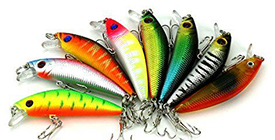
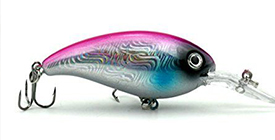
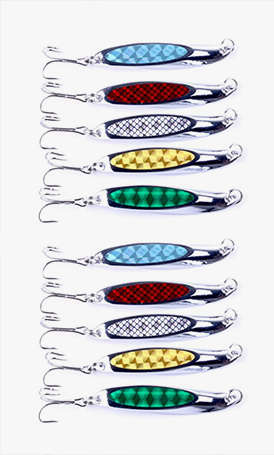

Let me tell you about the day I almost gave up on crank lures entirely. It was a brisk October morning on Lake Texoma, straddling Texas and Oklahoma—my home water for most of my 20 years as a fisherman. The air smelled like damp pine and wood smoke from a nearby campsite, and a thick fog hung just above the water’s surface, so heavy I could barely see the bow of my bass boat. I’d been out since dawn, dragging every Crank Lure in my tackle box through every spot I’d ever caught a lunker: submerged brush piles, rocky points, even the shadow of that old abandoned bridge. Water temp was a cool 58°F, which should’ve meant big largemouths were on the move—but for four straight hours, I didn’t get a single bite.
By 10 a.m., the fog had burned off into a bright, cloudless day, and my patience was wearing thin. I was about to reel in my last cast and head for shore when I spotted a Crank Lure I’d forgotten about in the bottom of my tackle bag—one of those new LENPABY models with a bright chartreuse back and a silver belly. I tied it on without much hope, cast it toward a patch of submerged hydrilla I’d passed earlier, and let it sink for a few seconds before starting a steady retrieve.
Honest to God, the second that lure hit the first patch of grass, my rod doubled over like it’d been hit by a freight train. I fought that bass for five solid minutes—its powerful runs nearly pulling me out of my seat—before I finally got it into the net. It was a 7-pound largemouth, the biggest I’d caught on Texoma all year. That day taught me something I’ll never forget: crank lures aren’t just tools—they’re versatile weapons that can turn a skunked day into a memory you’ll brag about for years. But only if you know how to use them right.
The Versatility of Crank Lures Across the US
I’ve fished crank lures in just about every body of water you can name: from the crystal-clear lakes of Michigan’s Upper Peninsula to the murky backwaters of Lake Okeechobee in Florida, and even the fast-moving rivers of Colorado and Montana. And let me tell you—they work everywhere. What makes them so special? Their ability to imitate almost any baitfish or crawfish, and to reach depths you can’t get to with a spinnerbait or topwater.
Moving south to Lake Okeechobee in late August, the water gets as warm as 88°F, and the largemouths are hiding in the thick stands of lily pads and sawgrass. Here, I switch to a deep-diving crank lure that can reach 10-12 feet deep—perfect for getting under the vegetation and into the cool water where the big bass are. The key here is to use a slower retrieve, letting the lure bounce off the bottom and stir up sediment, which imitates a crawfish digging for food. The bass can’t resist it. I once caught a 8.5-pound largemouth on Okeechobee using this method—it’s still the second biggest bass of my career.
And let’s not forget rivers. On the Colorado River in Arizona, where the water is clear and fast-moving, I use a medium-diving crank lure with a tight wobble. The water temp is around 68°F in spring, and the smallmouth and largemouth bass are feeding on shad that are swimming in the current. I’ll cast upstream, let the lure sink to the bottom, then retrieve it with a steady, fast pace—letting the current do most of the work. The tight wobble of the lure makes it look like a shad trying to escape the current, and the bass will hit it so hard you’ll think you’ve hooked a log.
How to Choose the Right Crank Lure for Any Situation
Now, I know what you’re thinking—there are thousands of crank lures on the market. How do you choose the right one for your fishing spot? The answer is simpler than you might think. All you need to consider are three things: depth, water clarity, and forage.
Depth is probably the most important factor. If you’re fishing in less than 5 feet of water, use a shallow-diving crank lure. If you’re fishing in 5-10 feet of water, go with a medium-diving one. And if you’re fishing deeper than 10 feet, use a deep-diving crank lure. It sounds basic, but I’ve seen so many fishermen using the wrong depth lure and wondering why they’re not catching anything.
Water clarity is also key. If the water is clear, use a Crank Lure with natural colors like silver, gold, or shad patterns. If the water is murky or stained, use bright colors like chartreuse, orange, or red—these will be easier for the bass to see. On Lake Lanier in Georgia, which has some of the clearest water in the South, I use a silver and blue crank lure that looks just like a threadfin shad. On Lake Hartwell in South Carolina, which is often stained from runoff, I switch to a bright chartreuse and black lure—and it works like a charm.
Tips and Techniques for Fishing Crank Lures
Now that you know how to choose the right crank lure, let’s talk about how to fish it effectively. Over the years, I’ve developed a few techniques that have helped me catch more bass than I ever thought possible.
One of my favorite techniques is the “bounce and pause.” I use this when I’m fishing around submerged rocks or brush piles. Here’s how it works: cast the lure out, let it sink to the bottom, then retrieve it with a steady speed until you feel it hit a rock or piece of brush. Then, pause for 2-3 seconds before continuing the retrieve. The pause makes the lure look like it’s stunned or wounded, and the bass will often strike it as it starts to move again. I’ve used this technique on Lake Cumberland in Kentucky and caught more than a dozen bass in a single morning.
Another technique I use a lot is the “stop and go.” This works especially well in clear water, where the bass are more cautious. Cast the lure out, let it sink to the desired depth, then retrieve it with a steady speed for a few seconds. Then, stop for a second or two before starting the retrieve again. The stop and go motion makes the lure look like a minnow that’s stopping to check for predators—perfect for luring in curious bass. I’ve had great success with this technique on Lake Tahoe in California and Nevada, where the water is so clear you can see the lure 20 feet down.
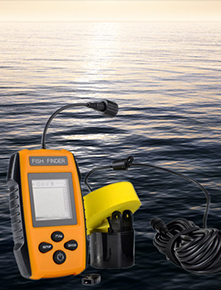
And let’s not forget about trolling with crank lures. I use this technique on big lakes like Lake Erie in Ohio and Pennsylvania, where the bass are spread out over a large area. Trolling allows me to cover a lot of water quickly, which means I can find where the bass are schooled up. I usually troll at a speed of 2-3 mph, using a depth finder to make sure my lures are running at the right depth. On Lake Erie, I’ve caught as many as 20 bass in a single trolling session—most of them smallmouths in the 2-4 pound range.
Common Mistakes to Avoid When Fishing Crank Lures
Now, I’m not going to lie—for every great day I’ve had with crank lures, I’ve had a few bad ones. Over the years, I’ve made a lot of mistakes, and I’ve learned from every single one of them. Here are some of the most common mistakes I see fishermen make when using crank lures:
- Using the wrong line type: Crank lures work best with monofilament or fluorocarbon line. Braided line is too visible in clear water, and it can cause the lure to run shallower than it’s supposed to. I usually use 10-12 pound monofilament for shallow-diving lures and 14-17 pound fluorocarbon for deep-diving lures.
- Not varying your retrieve speed: If you’re not getting any bites, try changing your retrieve speed. Sometimes, a fast retrieve works; other times, a slow retrieve is better. On Lake Powell in Arizona and Utah, I’ve found that a slow, steady retrieve works best in the early morning, and a faster retrieve works better in the afternoon when the water warms up.
- Not paying attention to the lure’s action: Every crank lure has a unique action—some have a tight wobble, while others have a wide wobble. Make sure you’re using a lure with the right action for the situation. For example, if you’re fishing in clear water, use a lure with a tight wobble; if you’re fishing in murky water, use a lure with a wide wobble.
- Not using the right rod and reel: Crank lures require a specific rod and reel setup. You need a medium-action rod with a fast tip—this will help you feel the lure’s action and detect even the smallest bites. I usually use a 6’6” or 7’ medium-action rod with a 6:1 gear ratio reel. This allows me to retrieve the lure quickly when I need to, and it gives me enough power to set the hook on big bass.
The Best LENPABY Crank Lures for Every Fishing Situation
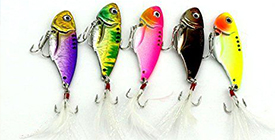
Now, let’s talk about my favorite Crank Lures from LENPABY. I’ve been using their lures for a few years now, and I have to say—they’re some of the best crank lures on the market. Here are a few of my favorites:
1. LENPABY Shallow Diving Crank Lure: This lure runs about 3-4 feet deep and has a tight wobble—perfect for clear water and slow-moving bass. I use this lure a lot on Michigan’s Lake Leelanau in early spring, when the water is cold and the bass are feeding on small minnows. The bright red and white pattern is especially effective.
2. LENPABY Medium Diving Crank Lure: This lure runs about 6-8 feet deep and has a medium wobble—great for fishing around submerged brush piles and rocky points. I use this lure on Texas’s Lake Travis in summer, when the bass are hanging just outside their spawning beds. The silver and blue pattern looks just like a threadfin shad.
3. LENPABY Deep Diving Crank Lure: This lure can reach depths of up to 15 feet and has a wide wobble—perfect for fishing in deep water and murky conditions. I use this lure on Florida’s Lake Okeechobee in late summer, when the water is warm and the bass are hiding in the sawgrass. The chartreuse and black pattern is very effective in murky water.
The Importance of Confidence in Your Lures
One thing I’ve learned over the years is that confidence is key when fishing crank lures. If you don’t believe in the lure you’re using, you’re not going to fish it properly. You’ll give up too soon, or you’ll retrieve it too fast or too slow. But if you have confidence in your lure, you’ll fish it longer and more effectively—and you’ll catch more bass.
I remember a time when I was fishing on Arkansas’s Lake Ouachita with a new LENPABY crank lure I’d just bought. I’d never used that specific model before, so I wasn’t sure if it would work. But I tied it on and started fishing it with confidence—and within 15 minutes, I’d caught a 5-pound largemouth. That day taught me that even if you’ve never used a lure before, if you fish it with confidence, you’ll be surprised at what you can catch.
Another way to build confidence in your lures is to practice. Spend time on the water fishing with different crank lures, and pay attention to what works and what doesn’t. Keep a fishing log where you record things like water temp, time of day, weather, and the type of lure you used. This will help you identify patterns and choose the right lure for any situation.
Why LENPABY Crank Lures Are My Go-To Choice
I remember a time when I was fishing on Colorado’s Blue Mesa Reservoir with a friend who was using a very expensive crank lure from a well-known brand. I was using a LENPABY crank lure that cost about half as much. By the end of the day, I’d caught three times as many bass as he had. That day solidified my trust in LENPABY lures.
Fishing Stories from the Road
Over the years, I’ve had some incredible experiences fishing with crank lures. Here are a few of my favorite stories:
Lake Superior Smallmouth: A few years ago, I went fishing on Lake Superior in Michigan’s Upper Peninsula. The water was crystal clear, and the smallmouth bass were feeding on smelt. I used a silver LENPABY shallow-diving crank lure and caught a 4-pound smallmouth that put up a fight I’ll never forget. It was so strong, it nearly pulled me overboard!
Florida Largemouth: On a trip to Lake Kissimmee in Florida, I used a LENPABY deep-diving crank lure with a chartreuse and black pattern. The water was murky and warm, and the bass were hiding in the thick vegetation. I cast it into a patch of lily pads, let it sink to the bottom, then retrieved it with a slow, steady pace. Within 30 seconds, I felt a huge bite—and ended up catching a 9-pound largemouth, the biggest bass of my career!
Colorado River Smallmouth: On a trip to Arizona’s Lake Havasu, I used


