






Let me tell you about the day I almost swore off crank lures entirely. It was early June on Lake Okeechobee—humid enough to wring water from your shirt, sun beating down like a hammer, and water temp hovering right at 72°F. I’d been tossing a bright red crankbait for hours, and the only thing I’d caught was a branch and a bad attitude. Honestly, I was this close to reeling in my line and heading for the nearest bait shop to stock up on live shiners instead.
But then, as I was about to give up, I heard a sharp tap on my lure. I set the hook, and the line went tight like a guitar string. It was a 4-pound largemouth bass, fighting so hard it nearly pulled me out of the boat. That catch didn’t just save my day—it reminded me why I fell in love with crank lures in the first place. Since then, I’ve spent 20 years perfecting my technique with these hard baits, fishing everywhere from the deep waters of Lake Michigan to the shallow coves of Lake Texoma.
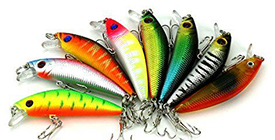
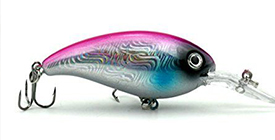
If you’re new to crank lures, or if you’ve had a few frustrating days like I did on Okeechobee, don’t worry. I’m here to share everything I’ve learned—from the basics of how they work to the specific techniques that will help you catch more fish. And if you’re looking for high-quality crank lures at a great price, check out Hard Baits from LENPABY—they’ve got some of the most durable and effective crankbaits I’ve ever used.
What Are Crank Lures, Anyway?
Crank lures are a type of hard bait designed to “crank” through the water, creating vibrations and flash that attract predatory fish like bass, walleye, and pike. Unlike soft plastics, which are usually fished slowly near the bottom, crankbaits are made of hard materials like plastic or wood and are designed to be retrieved at a steady pace.
One of the best things about crank lures is their versatility. They come in different sizes and shapes, each designed to dive to a specific depth. For example, a shallow-dive crankbait might only go down 2-4 feet, while a deep-dive model can reach depths of 20 feet or more. This means you can use crank lures to target fish in almost any part of a lake or river.
Choosing the Right Crank Lure for the Job
Before you even cast your line, you need to make sure you’re using the right crank lure for the conditions. The first thing to consider is water depth. If you’re fishing in shallow coves or near the shoreline, a shallow-dive crankbait is your best bet. But if you’re fishing in deeper waters—like the main basin of Lake Michigan—you’ll want a deep-dive model.
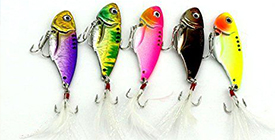
Another important factor is water clarity. In clear water, fish can see your lure from a distance, so you’ll want to use a crankbait with natural colors like green or brown. In murky water, on the other hand, bright colors like red or chartreuse will be more visible. And don’t forget about the size of the bait—larger crankbaits are better for targeting bigger fish, while smaller ones are ideal for panfish or younger bass.
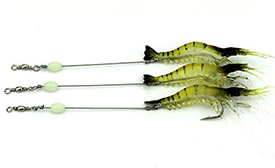
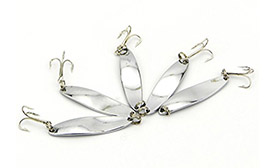
I’ve tried countless brands of crank lures over the years, and I can honestly say that LENPABY’s Predator Fish Specials are some of the most reliable. They’re made with high-quality materials that hold up even after hitting rocks or logs, and their lifelike swimming action is sure to attract even the most finicky fish.
The Art of Cranking: Techniques That Work
Now that you’ve got the right lure, it’s time to talk about technique. The key to successful crankbait fishing is to retrieve the lure at a steady pace that matches the speed of the fish you’re targeting. For example, bass are often more active in warmer water, so you’ll want to retrieve your lure faster when the water temp is above 70°F. In colder water, on the other hand, a slower retrieve is more effective.
Another technique that works well with crank lures is “bumping” them off underwater structures like rocks or logs. When your lure hits something, pause for a split second before continuing your retrieve. This mimics a wounded baitfish, which is irresistible to predatory fish. I’ve caught some of my biggest bass using this technique on Lake Texoma, where the bottom is covered with rocks and fallen trees.
Don’t be afraid to experiment with different retrieval speeds and patterns. Sometimes, a sudden jerk of the rod or a change in direction can trigger a strike. I remember one day on the Mississippi River when I was fishing for walleye. I’d been retrieving my crankbait at a steady pace for 10 minutes without a bite, but when I started giving it quick, sharp jerks, I caught three walleye in five minutes.
Fishing in Shallow Water
When retrieving your lure in shallow water, be careful not to reel too fast. A slow, steady retrieve is usually more effective, as it allows the lure to swim through the vegetation without getting caught. You should also be on the lookout for any sudden changes in the bottom structure, like a drop-off or a submerged log—these are often where fish hide and wait for their prey.
One of my favorite places to fish with shallow-dive crankbaits is the Florida Everglades. The water is usually less than 5 feet deep, and the shoreline is lined with cypress trees and sawgrass. I’ve caught some huge bass here using a green and brown crankbait that matches the color of the vegetation.
Fishing in Deep Water
Fishing with crank lures in deep water can be a bit more challenging, but it’s also very rewarding. When fishing in deep water, you’ll want to use a deep-dive crankbait that can reach the depths where fish are holding. Look for areas with drop-offs, underwater humps, or sunken structures like old bridges or shipwrecks—these are all great places to find predatory fish.
When retrieving your lure in deep water, you’ll need to use a slower, more deliberate pace. This is because the water pressure is higher at deeper depths, which can make the lure’s swimming action less effective if you reel too fast. You should also be prepared to let your lure sink to the bottom before starting your retrieve, as many fish feed near the bottom in deep water.
I’ve had some of my most memorable fishing trips in deep water. One time, I was fishing for walleye on Lake Erie, and I was using a blue and silver crankbait that dives to about 15 feet. I let the lure sink to the bottom, then started retrieving it slowly. Within 20 minutes, I’d caught three walleye—each over 2 feet long.
Common Mistakes to Avoid When Using Crank Lures
Even the most experienced fishermen make mistakes when using crank lures. Here are a few common ones to watch out for:
- Using the wrong depth crankbait: If your crankbait isn’t diving to the right depth, you won’t be able to reach the fish you’re targeting.
- Retrieving too fast or too slow: A retrieve that’s too fast or too slow can make the lure’s swimming action look unnatural, which will turn fish off.
- Not paying attention to water clarity: Using the wrong color lure for the water clarity can make it hard for fish to see your bait.
- Fishing in the wrong areas: If you’re not fishing in areas where predatory fish are likely to be, you’re not going to catch many fish.
One of my biggest mistakes was not paying attention to water clarity. A few years ago, I was fishing for bass on Lake Hartwell in South Carolina. The water was very murky, but I was using a green and brown crankbait that’s great for clear water. I fished for two hours without a bite, then I switched to a bright red crankbait. Within 10 minutes, I’d caught three bass. That’s when I learned how important it is to match your lure to the water conditions.
Final Thoughts on Crank Lure Fishing
Fishing with crank lures is a fun and rewarding way to catch predatory fish like bass, walleye, and pike. By choosing the right lure for the conditions, using the right technique, and avoiding common mistakes, you can increase your chances of catching more fish.
If you’re new to crank lure fishing, don’t be discouraged if you don’t catch anything right away. Like any skill, it takes time and practice to master. Start by fishing in shallow water with a small crankbait, and work your way up to deeper waters and larger lures. And remember—patience is key. Some days, the fish will be biting like crazy, and other days, you’ll be lucky to catch one. But if you keep at it, you’ll eventually become a pro at crank lure fishing.
And if you’re looking for high-quality crank lures that will help you catch more fish, be sure to check out LENPABY’s Hard Baits and Predator Fish Specials. Their crankbaits are some of the most durable and effective I’ve ever used, and they come in a wide range of sizes and colors to match any fishing conditions.
Now, here’s your small, actionable tip for today: Next time you’re out fishing with a crank lure, try adding a few sharp jerks to your retrieve every few seconds. This mimics the movement of a wounded baitfish, which can trigger a strike from even the most finicky fish. Give it a try—it might just help you catch your biggest fish yet!


