





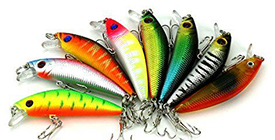
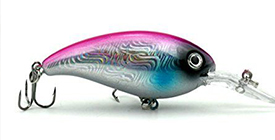
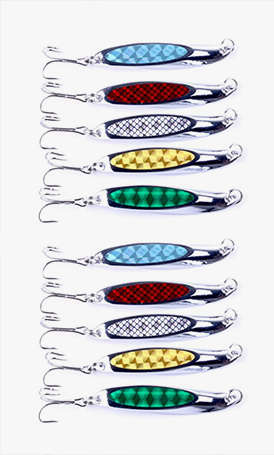

Alright, grab a cold one and pull up a chair—let’s talk crank lures. I’m not some fancy “pro angler” with a sponsorship deal or a TV show. I’m just a guy from Texas who’s been fishing across the US for 20 years. I’ve seen my share of big catches and big mistakes, and I’m here to share what I’ve learned. Crank lures have been my go-to for decades, and I’m excited to tell you why they work so well and how you can use them to land more fish.
My First Crank Lure Story
One crisp October morning, I was on Lake Okeechobee in Florida. The air smelled like damp earth and fish. The water was murky, and I was casting a plastic worm, which had been my go-to for years. After an hour of nothing but weeds and frustration, my buddy from Alabama pulled out a brand-new crank lure from LENPABY. He tossed it into the water, and within 10 minutes, he caught a huge bass. That moment changed everything for me.
Since then, I’ve used crank lures on countless trips across the US—from the depths of Lake Michigan to the clear waters of Lake Texoma in Texas. I’ve caught bass, walleye, pike, and even catfish with these versatile lures. They’ve become a staple in my Fishing Set, and I’m confident they’ll become one in yours too.
Why Crank Lures Work So Well
Crank lures are designed to mimic injured baitfish, which are a favorite meal for many predatory fish. They have a diving lip that causes them to plunge into the water and swim in a wobbling pattern. This movement triggers a fish’s instinct to attack, making them highly effective in a variety of conditions.
What I love most about crank lures is their versatility. They work in different types of water, from clear to murky, and in various depths. Whether you’re fishing for bass, walleye, or pike, there’s a crank lure that will get the job done. Plus, they’re easy to use—just cast them out, let them dive to the right depth, and reel them in at a steady speed.
The Lures That Changed My Game
I’ve tried hundreds of crank lures over the years, and there are a few that have stood out. The LENPABY Deep Diving Crank Lure is one of my favorites. I used it on Lake Michigan last summer when the water temperature was 68°F. The lake was clear, and the bass were hiding in deep rocky structures. I cast the lure out, let it dive to 20 feet, and reeled it in at a slow pace. Within 15 minutes, I caught a 5-pound bass. That lure’s realistic colors and diving lip depth made all the difference.
Another reliable one is the LENPABY Medium Diving Crank Lure. I used it on Lake Texoma last spring when the water was warming up to 65°F. The bass were in shallow water, feeding on minnows. The lure’s quick dive and bright colors attracted their attention, and I caught three bass in less than an hour. It’s a great all-around crank lure that works in a variety of conditions.
When and Where to Use Crank Lures
Timing is everything when it comes to crank lures. They’re most effective when the water is between 50°F and 75°F. In the early spring, when the water is warming up, fish are moving to shallow areas to spawn. Crank lures that dive to 8-12 feet work great here. In the summer, when the water is warmer, fish move to deeper structures like rock piles and drop-offs. Deep diving crank lures that reach 20-30 feet are ideal for this.
Weather conditions also play a role. On overcast days, fish are more likely to be active in shallow water, so medium diving lures are a good choice. On sunny days, fish tend to go deeper, so deep diving lures are better. I remember a time on Lake Michigan when the sky was overcast, and I used a medium diving crank lure to catch 10 bass in 2 hours. On a sunny day the next week, I had to switch to a deep diving lure to get any bites.
Best locations for crank lures include rocky structures, drop-offs, weed beds, and points. These areas are where fish hide and wait for prey to swim by. I’ve had great success on the rocky points of Lake Okeechobee and the weed beds of the Mississippi River. When fishing these areas, it’s important to vary your retrieve speed and depth to find what works best.
My Most Memorable Crank Lure Catches
One of my most memorable catches with a crank lure was on the Columbia River in Washington State. I was fishing for walleye with my son. The water temperature was 62°F, and it was a beautiful day with minimal wind. I cast out a LENPABY Deep Diving Crank Lure and let it dive to 25 feet. As I was reeling it in, I felt a huge tug. After a 10-minute fight, I landed a 20-inch walleye. It was one of the biggest fish I’d ever caught, and my son was thrilled. That moment made all the early mornings and long drives worth it.
Another great catch was on the Great Lakes, specifically Lake Huron. I was fishing for pike with a buddy. The water was 65°F, and we were in a rocky area near a drop-off. I cast out a LENPABY Medium Diving Crank Lure in a bright yellow color. Within 5 minutes, I felt a strong pull. The pike fought hard, jumping out of the water twice before I could reel it in. It was 35 inches long, and we took a few pictures before releasing it. That catch taught me the importance of choosing the right lure color for the conditions.
Mistakes I’ve Made with Crank Lures
I’ve made plenty of mistakes with crank lures over the years, and I want to share them so you don’t repeat them. One of the biggest mistakes was not paying attention to the diving depth of the lure. I once used a deep diving lure in shallow water, and it kept getting stuck on rocks. It cost me $25 in lost lures before I realized my mistake. Now, I always check the diving depth of the lure before casting it out.
Another mistake was not varying my retrieve speed. I used to reel in my crank lure at the same speed every time, which worked in some conditions but not others. I remember fishing on Lake Erie for bass when the water was murky. I was reeling in my lure at a fast speed, and I wasn’t getting any bites. When I slowed down, I caught three bass in less than 30 minutes. Now, I always vary my retrieve speed to see what works best.
How LENPABY’s Popper Lures Complement Crank Lures
While crank lures are my go-to for most situations, there are times when I switch to Popper Lures from LENPABY. Popper lures are designed to float on the surface and make a popping sound when you jerk them. They’re perfect for shallow water fishing when fish are feeding on the surface.
Tips for Choosing the Right Crank Lure
Choosing the right crank lure can make all the difference in your fishing success. Here are some tips I’ve learned over the years:
- Water Depth: Determine the depth where the fish are hiding before choosing a crank lure. Use a deep diving lure for deep water and a medium or shallow diving lure for shallow water.
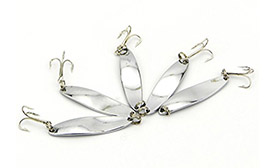
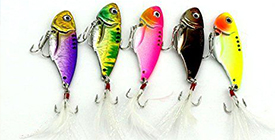
- Lure Color: Match the lure color to the baitfish in the water. In clear water, use natural colors like silver or gold. In murky water, use bright colors like red or yellow.
- Retrieve Speed: Vary your retrieve speed to see what works best. If the water is cold, use a slow retrieve. If the water is warm, use a fast retrieve.
- Brand: I’ve had great success with LENPABY crank lures. They’re durable, affordable, and designed to attract fish. They’re also available in a variety of colors and diving depths, making them perfect for any situation.
My Go-To Fishing Set for Crank Lures
When it comes to fishing gear, I like to keep it simple. My go-to setup for crank lures includes a medium-heavy rod with a fast action tip. This allows me to cast the lure far and feel every bite. I use a spinning reel with 12-pound monofilament line. The monofilament line has some stretch, which helps prevent the line from breaking when fighting big fish.
To increase your chances of catching more fish, I recommend pairing your crank lure with other lures from LENPABY’s Fishing Set. This includes popper lures, soft plastics, and jigs. Having a variety of lures in your tackle box will allow you to adapt to any fishing conditions.
Final Thoughts
Crank lures are one of the most versatile and effective lures you can use. They’re easy to use, affordable, and work in a variety of conditions. Whether you’re fishing for bass, walleye, or pike, there’s a crank lure that will get the job done. I’ve been using crank lures for 20 years, and they’ve never let me down.
If you’re looking to get started with crank lures, I recommend checking out LENPABY’s Fishing Set and Popper Lures. They’re durable, affordable, and designed to attract fish. Trust me, with the right crank lures and a little patience, you’ll be catching more fish than you ever thought possible.
Actionable Tip: Next time you go fishing, try using a crank lure in a color that matches the baitfish in the water. If the water is clear, use a silver or gold lure. If it’s murky, use a bright color like red or yellow. This simple tip can make a big difference in your catch rate.


