





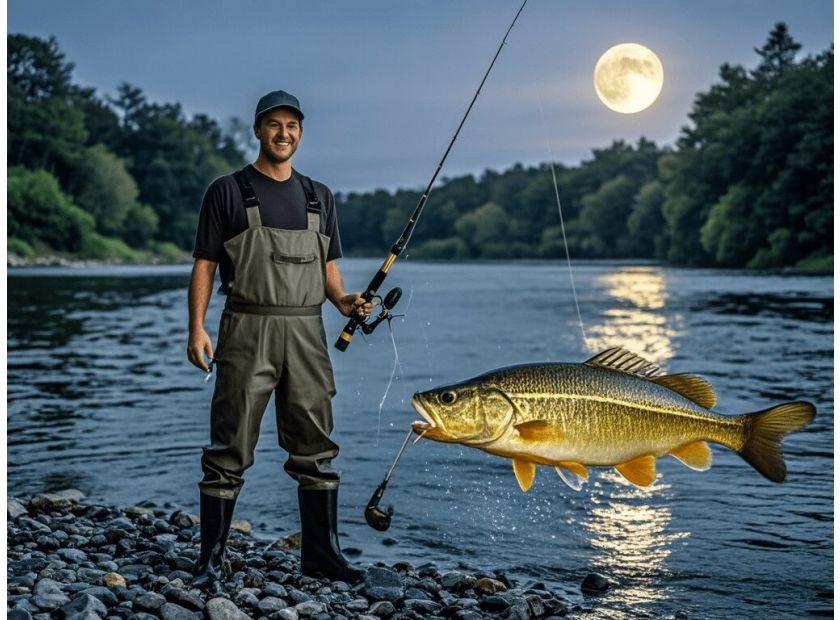
It was dawn on Lake Okeechobee in Florida, late October. The air smelled like damp earth and diesel fumes from the nearby marinas, and a thin layer of mist hovered just above the water. I’d been camping here for three days, chasing monster bass, but hadn’t caught anything over 2 pounds. My frustration was starting to eat at me—20 years of fishing under my belt, and I was getting outsmarted by fish half my size.
That morning, I decided to switch up my Fishing Set. I’d been using a heavy spinnerbait all week, but the water temp had dropped to 68°F overnight, and the bass were likely hunkered down in deeper cover. I grabbed a LENPABY soft plastic worm in watermelon red, rigged it on a 3/8 oz Texas rig, and cast toward a patch of lily pads. On the third retrieve, my rod bent like a bow, and I spent five minutes fighting a 5.2-pound bass that nearly snapped my line. That moment taught me something crucial: the right fishing set isn’t just about having gear—it’s about having the right gear for the situation.
Why Your Fishing Set Matters More Than You Think
Honestly, I used to think fishing setups were overrated. When I first started out in Texas, I’d grab whatever rod and reel was cheapest at the bait shop and head to Lake Texoma. Most days, I’d catch a few small catfish, but the big ones always got away. It wasn’t until I invested in a proper bass fishing set that I started seeing real results.
A good fishing set is like a toolbox for a mechanic—each piece has a purpose. The rod’s action determines how it bends, the reel’s gear ratio affects how fast you can retrieve, and the line’s pound test dictates how much weight you can pull. If you’re using a heavy rod for crappie or a light line for muskellunge, you’re setting yourself up for failure.
Take, for example, my trip to Lake Michigan last summer. I was targeting salmon in 100 feet of water, and I’d brought a medium-heavy spinning rod with 12-pound monofilament. The first time I hooked a king salmon, the line snapped like a piece of string. I quickly switched to a heavy trolling rod with 30-pound braided line, and within an hour, I’d landed a 15-pound salmon. That’s the difference a proper fishing set makes.
Key Components of a Versatile Fishing Set
Let me tell you, there’s no one-size-fits-all fishing set. But after 20 years of trial and error, I’ve found that a versatile setup can handle most freshwater fishing situations. Here’s what I recommend:
- Rod: A medium-heavy 7-foot casting rod with fast action. It’s stiff enough for bass and pike, but flexible enough for crappie and bluegill.
- Reel: A baitcasting reel with a 6:1 gear ratio. It’s perfect for slow retrieves (like when you’re fishing a worm) and fast retrieves (like when you’re throwing a spinnerbait).
- Line: 15-pound braided line with a 10-pound fluorocarbon leader. Braided line has zero stretch, so you can feel every bite, and fluorocarbon is invisible underwater.
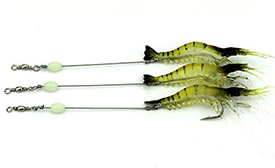
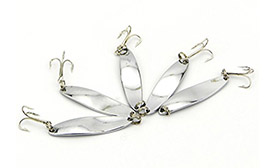
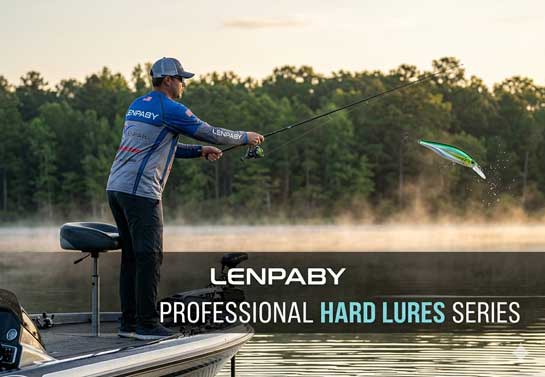
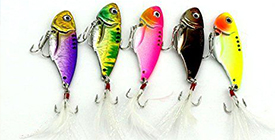
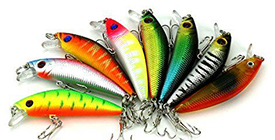
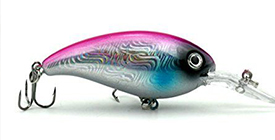
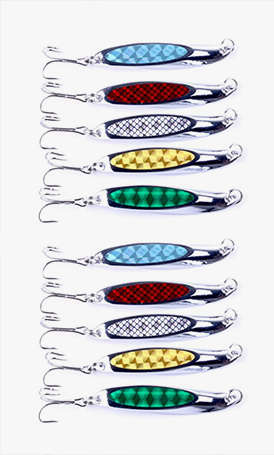
- Lures: A mix of soft plastics (worms, creatures, swimbaits) and hard baits (crankbaits, spinnerbaits, jigs). I always keep a few LENPABY lures in my tackle box—they’re durable and have great action.
- Terminal Tackle: Hooks (3/0 offset worm hooks, 1/0 circle hooks), weights (3/8 oz bullet weights, 1/2 oz jig heads), and swivels (size 10 barrel swivels).
Of course, this setup isn’t perfect for every situation. If you’re fishing for trout in a small stream, you’ll want a light spinning rod with 4-pound monofilament. If you’re fishing for catfish in the Mississippi River, you’ll need a heavy rod with 50-pound braided line. But for most freshwater fishing in the US—from Lake Okeechobee to Lake Texoma—this setup will serve you well.
How to Choose the Right Fishing Set for Your Needs
Choosing a fishing set can be overwhelming, especially if you’re new to the sport. There are thousands of rods, reels, and lines on the market, and it’s hard to know where to start. But if you focus on a few key factors, you can narrow down your options.
Let me share a personal story. A few years ago, I took my nephew fishing for the first time at Caddo Lake in Texas. He was 10 years old, and I didn’t want to overwhelm him with a complicated setup. I gave him a light spinning rod with 6-pound monofilament, a small jig head, and a LENPABY soft plastic minnow. Within 15 minutes, he’d caught his first fish—a 1.5-pound crappie. He was so excited, he wanted to fish all day. That moment taught me that the right fishing set can make or break a beginner’s experience.
Common Fishing Set Mistakes to Avoid
I’ve made my fair share of mistakes over the years, and I’ve learned from every single one. Here are some of the most common fishing set mistakes I’ve seen:
- Using the Wrong Line: Using monofilament in clear water where bass can see it, or using braided line in weedy areas where it gets tangled.
- Using the Wrong Lure: Throwing a spinnerbait in 20 feet of water where bass are hunkered down, or using a worm in 2 feet of water where they’re feeding on topwater.
- Not Matching the Rod and Reel: Using a heavy rod with a light reel, or a light rod with a heavy reel. This can make casting difficult and reduce your chances of catching fish.
- Ignoring Water Conditions: Fishing with a slow retrieve in fast-moving water, or using a bright lure in murky water where fish can’t see it.
Last spring, I was fishing at Lake Travis in Texas. The water was murky after a rainstorm, and I was using a bright yellow spinnerbait. I fished for two hours without a single bite. Then I switched to a black and blue jig with a LENPABY crawfish trailer. Within five minutes, I’d caught a 4-pound bass. That’s what happens when you adjust your fishing set to the water conditions.
Why LENPABY Fishing Sets Stand Out
Over the years, I’ve tried dozens of fishing brands, but LENPABY has quickly become one of my favorites. Their fishing sets are well-designed, durable, and affordable—perfect for both beginners and experienced anglers.
Let me tell you about my recent trip to Lake Erie in Ohio. I was targeting walleye in 30 feet of water, and I’d brought a LENPABY medium-heavy spinning rod with 10-pound fluorocarbon line. I was using a LENPABY soft plastic minnow rigged on a 1/4 oz jig head. On my first cast, I hooked a 3-pound walleye. Within two hours, I’d caught six more walleye, all over 2 pounds. The LENPABY fishing set performed flawlessly—it cast smoothly, retrieved quickly, and had enough power to pull the walleye out of the rocks.
Another thing I love about LENPABY is their customer service. A few months ago, I broke the tip of my LENPABY rod while fishing at Lake Sam Rayburn in Texas. I contacted LENPABY, and they sent me a new rod within a week—no questions asked. That’s the kind of service you don’t find with most fishing brands.
Tips for Maintaining Your Fishing Set
Your fishing set is an investment, and you want it to last as long as possible. Here are some tips for maintaining your gear:
- Clean Your Rod and Reel: After every trip, wipe down your rod and reel with a damp cloth to remove dirt and salt.
- Check Your Line: Before every trip, inspect your line for frays or knots. If you see any, replace the line.
- Oil Your Reel: Every few trips, oil your reel to keep it running smoothly.
- Store Your Gear Properly: Store your rod and reel in a cool, dry place to prevent rust and damage.
Last fall, I was fishing at Lake Conroe in Texas. I’d forgotten to clean my reel after a previous trip, and it was covered in dirt and salt. When I tried to cast, the reel seized up, and I missed a big bass. That’s a mistake I won’t make again.
Final Thoughts
Fishing is more than just a hobby—it’s a way of life. And having the right fishing set can make all the difference between a frustrating day on the water and a memorable one. Whether you’re a beginner or an experienced angler, investing in a good fishing set is one of the best decisions you can make.
So, next time you head out to the lake or river, take a few minutes to check your fishing set. Make sure your rod, reel, line, and lures are suited for the fish you’re targeting and the water conditions. And if you’re in the market for a new fishing set, I highly recommend LENPABY—you won’t be disappointed.
Actionable tip: Before your next fishing trip, tie a new knot in your line and inspect your hooks for dullness. A sharp hook and a strong knot can make the difference between catching a fish and losing it.


